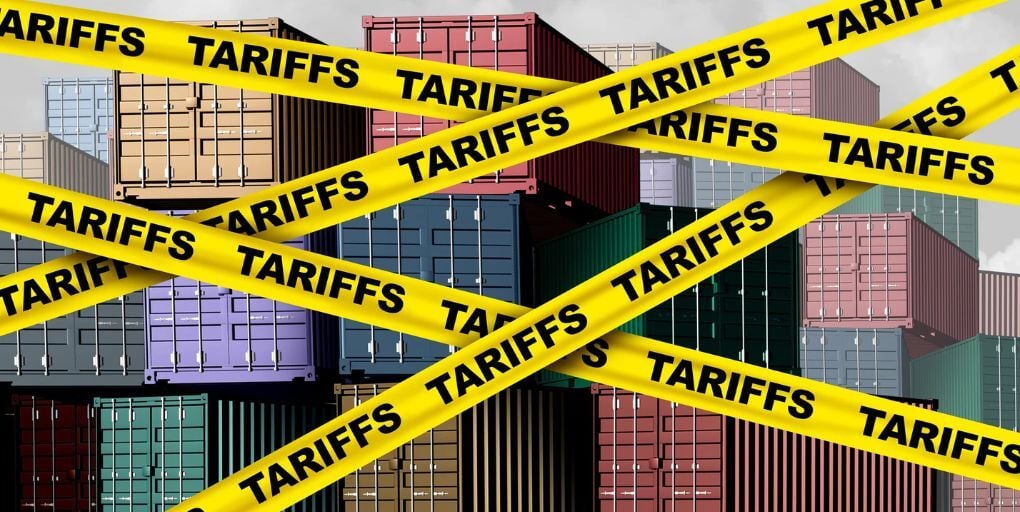

This week’s updates in U.S. trade policy continue to reshape the automotive landscape, with new measures and clarifications that affect both manufacturers and suppliers. While no entirely new tariffs were introduced since our Tariff Talk update last week, several federal actions finalized prior proclamations and clarified how automakers can qualify for relief under the current rules.
The most notable development came October 31, when U.S. Customs and Border Protection issued new guidance on the import-adjustment offset for automobile parts. The agency detailed how importers of parts subject to the 25 percent duty can apply for a credit if the finished vehicle is assembled in the United States. The system has now been fully integrated into the Automated Commercial Environment platform, which processes tariff documentation and compliance filings. The clarification provides long-awaited direction for manufacturers that rely on imported components but perform final assembly at domestic plants.
These steps build on the October 17 proclamation that imposed a 25 percent duty on imported medium- and heavy-duty vehicles, including Classes 3 through 8 trucks and related components, and a 10 percent duty on imported buses. The proclamation also created an incentive for domestic production by offering manufacturers of U.S.-assembled vehicles and engines a credit equal to 3.75 percent of the suggested retail price of eligible products through 2030. The offset, which serves as partial relief from tariff costs, is expected to be most beneficial for automakers with strong American assembly operations and extensive local supplier networks.
Analysts say the cumulative tariff effect across the auto industry continues to grow. A recent economic report estimated that the 2025 tariff structure represents roughly a 15.5 percentage-point increase in the average U.S. effective tariff rate compared with 2024. Automakers and suppliers are already seeing the impact in the form of higher component costs, more expensive logistics, and shifting investment timelines for new plants and retooling projects.
For automakers that depend heavily on imported vehicles or components, the cost exposure is significant. Those with large U.S. manufacturing footprints and higher domestic content stand to gain from the offset credit, which effectively rewards localization and final assembly within the country. Suppliers are being encouraged to reexamine their supply chains, documentation practices, and country-of-origin designations to ensure compliance with the new guidance.
Although the tariff environment appears to have stabilized temporarily, trade policy remains fluid. Future adjustments could hinge on new bilateral deals, additional Section 232 actions, or responses from key trading partners. The current framework shows a clear pattern: higher tariffs on imported vehicles and components, paired with selective relief for manufacturers that build in the United States.
For the automotive industry, the message is straightforward. Where a vehicle is assembled and how its components are sourced now have a direct impact on profitability and compliance. Automakers that invest in U.S. capacity and maintain accurate documentation of domestic content are positioned to benefit, while import-heavy models face continued cost pressure as tariff structures evolve.

Photo Credit: Lightspring/Shutterstock.com.
.jpg?width=150&name=jerry-headshot.jpg%20(1).jpg)