
I’ve been tough on Stellantis—and deservedly so. Last year, I questioned whether then-CEO Carlos Tavares understood the American car buyer at all.
Today, I’m saying something I didn’t expect to say: Stellantis might actually be getting it right.
In September 2024 I wrote an article about then-CEO Carlos Tavares, who had no clue about the U.S. auto industry. It was so bad, the Dodge Chrysler Jeep Ram Dealer Council Chairman wrote a seething letter to Tavares, to which the company responded angrily, instead of listening.
In the article, I questioned the qualifications of the CEO:
“Can a Portuguese-born CEO whose claim to fame came from success at Renault, understand the needs and more importantly, the wants of Americans? Does Mr. Tavares know what a Hemi is? Does he know the heritage of the Dodge Brothers?
I further questioned why some of the really talented people at Stellantis were leaving the company. Fast forward to today. Tavares took the $40 million he made in 2024 and “retired” at the end of 2025. It didn’t come a day too soon. Direction has changed quickly from an all-EV strategy to leadership that understands the needs of the dealers and the buying public. It is a cultural reset, being led by a great leadership team led by CEO Antonio Filosa and executives like Tim Kuniskis-a hard charging, product-first guy that knows what the Dodge Chrysler Jeep Ram customer wants.
I recently had the opportunity to sit in on a Stellantis conference call alongside a handful of other journalists and Stellantis executives, and I came away with a very different impression than the narrative we’ve been hearing over the past year. The call was primarily about what went into the new Jeep Cherokee, which I have reviewed recently. But I took away a deeper resolve by this brand team and something refreshing: They listened more than they talked.
If anything, Stellantis finally looks like a company that is listening—to customers, dealers, and reality.
That may sound simple, but in today’s auto industry, it’s not.
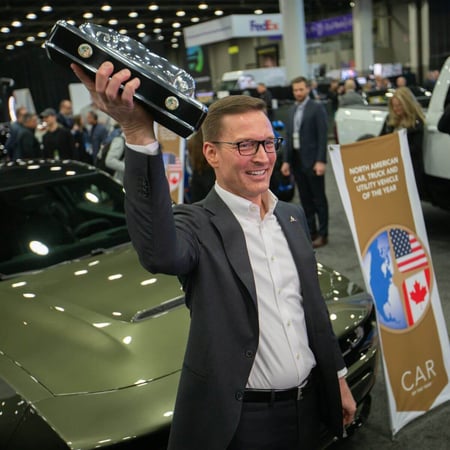 Matt McAlear, Dodge CEO, accepts the 2026 North American Car of the Year Award for the all-new Dodge Charger lineup at the Detroit Auto Show. Photo: Stellantis.
The automaker is in the middle of what it openly calls a strategic reset, shifting its focus back toward customer preferences and profitable growth after acknowledging it overestimated demand for electric vehicles and misread parts of the market. That kind of admission is rare in this business, and frankly, it’s refreshing.
What I heard on that call reinforced that this isn’t just corporate spin.
Stellantis is taking a back-to-basics approach—and it’s badly needed.
For starters, there’s a renewed emphasis on the brands and vehicles that built the company in the first place. Jeep and Ram aren’t just being protected—they’re being prioritized. That matters, especially in North America, where trucks and SUVs still pay the bills.
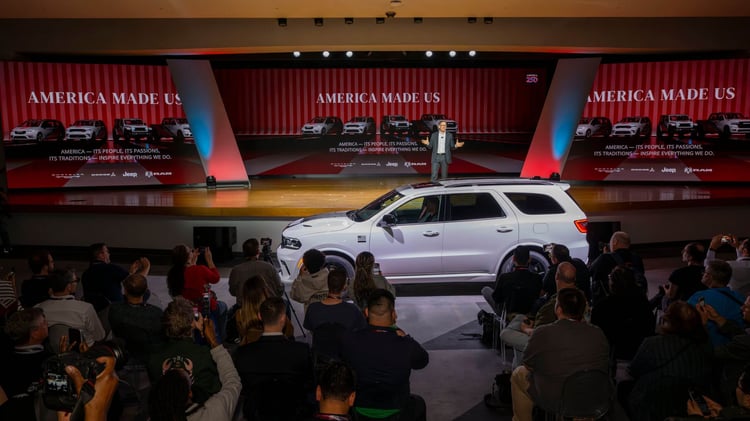
At the same time, the company is dialing back the all-in EV push that so many automakers rushed into. Instead, Stellantis is pivoting to a more balanced approach that includes hybrids, internal combustion engines, and EVs—giving consumers choices instead of mandates.
That’s exactly what I’ve been saying on the radio for the past couple of years: Let the customer decide.
This shift didn’t happen in a vacuum. Stellantis leadership has made it clear they are addressing past execution issues and refocusing on delivering vehicles people actually want to buy, not just what regulators or trendlines or politicians suggested they should want.
And here’s the part that really stood out to me—the company is getting back out into the field.
The leadership tour referenced in the coverage—visiting plants, engaging with employees, reconnecting with dealers—may not grab headlines, but it’s critical. You can’t fix a global automaker from behind a desk. You have to show up, listen, and understand where the disconnects are.
From what I observed, that’s exactly what’s happening. For a company that seemed determined to tell customers what they should want, Stellantis is now asking what they actually do.
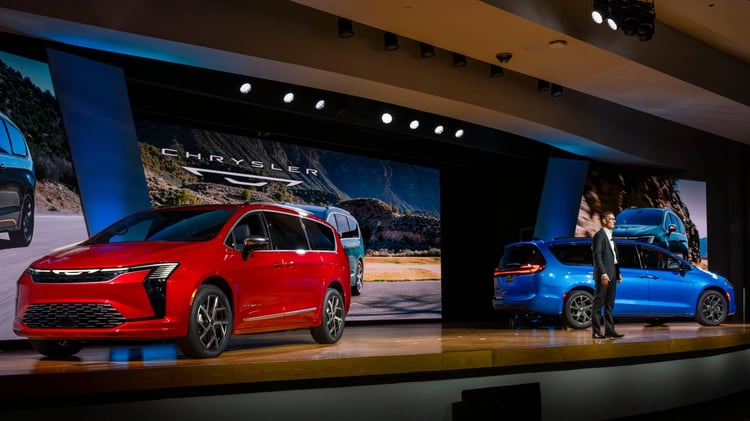
There’s also a clear effort to rebuild trust—with dealers, in particular. That relationship has been strained in recent years, not just at Stellantis but across the industry. Re-engaging that network is essential because, at the end of the day, Dealers don’t read strategy decks—they read customers. And for a while, Stellantis wasn’t listening to either. Dealers know what customers are asking for long before it shows up in a quarterly report.
Financially, this reset isn’t painless. Stellantis has taken significant charges tied to past decisions as part of a broader realignment effort. But in my view, that’s the cost of getting things back on track—and it’s better to take the hit now than continue down the wrong road.
Looking ahead, the company plans to lay out its long-term strategy more clearly at its Investor Day in May at its North American headquarters in Auburn Hills, Michigan, where leadership is expected to detail priorities and future direction.
That event will matter, but honestly, the tone has already been set.
What I heard on that call—and what we’re seeing in the early moves—suggests Stellantis is no longer trying to force the market into a predetermined future. Instead, it’s adapting to where the market actually is.
Imagine that.
Will it work? That’s the billion-dollar question. The auto business is unforgiving, and turning around a company this large is never quick or easy.
But for the first time in a while, Stellantis appears to be making decisions grounded in common sense.
In this business, common sense isn’t common. If Stellantis sticks with it, that alone could be a competitive advantage.
Feature Photo: AI-generated rendering generated using ChatGPT Plus.

.jpg?width=150&name=jerry-headshot.jpg%20(1).jpg)