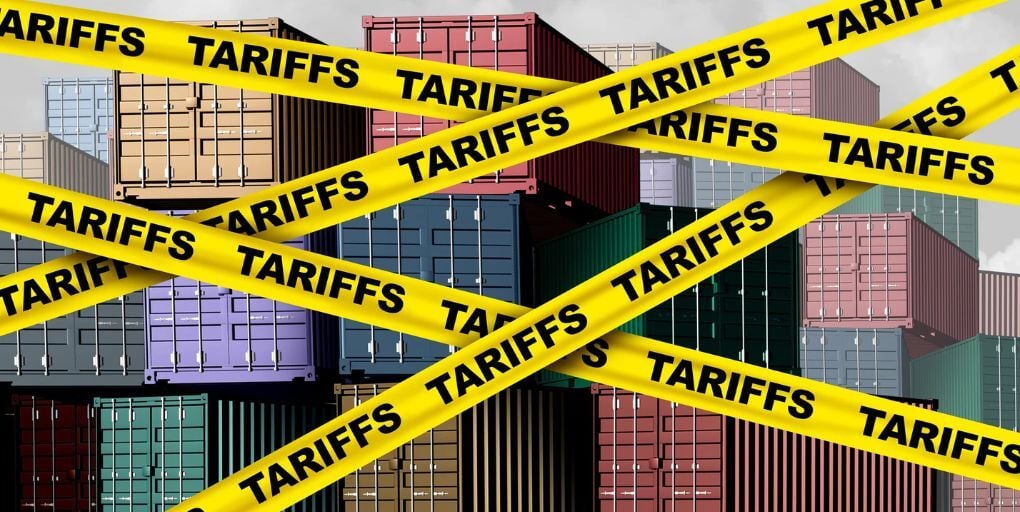

The last two weeks have delivered fresh moves in the U.S. trade policy landscape — a mix of tariff easing for some trading partners and hardening rules for commercial vehicles — leaving automakers and suppliers weighing cost, compliance, and strategy ahead of year-end.
Washington confirmed that starting Nov. 1, a 25 percent tariff applies to imported medium- and heavy-duty trucks (Classes 3–8) and key parts, while a 10 percent tariff is in place for imported buses. The duty expansion draws in segments previously outside the main car/two-truck tariff sweep and reflects a broader push to protect U.S.-based truck manufacturing and discourage foreign imports of large commercial vehicles.
At the same time, the administration rolled out a major concession for South Korea. On December 1, the U.S. Commerce Secretary confirmed that tariffs on Korean-built autos and parts will be lowered to 15 percent retroactive to Nov. 1 — matching the rate already in force for imports from Japan and the European Union. That reduction could ease cost pressure for Korean automakers exporting to the U.S. and reshape 2026 pricing and content strategies for those brands popular brands.
Industry analysts warn the stakes are high under the new structure. A recent Moody’s-linked analysis estimates that this year’s tariff measures — including the components of Section 232, duties on trucks, and parts levies — could reduce global automakers’ operating profits by more than $30 billion in 2025 alone. That underscores how swiftly trade policy is reshaping business forecasts and forcing companies to retool sourcing and production plans.
For suppliers, carriers and logistics providers, the effects are already visible. Freight brokers and auto transport firms report volatile demand as tariffs distort traditional shipping patterns, especially for heavy-truck imports. Some carriers are seeing volume swings as buyers reevaluate cost, origin, and delivery timing.
Taken together, these developments drive home a key point: where a vehicle is built, how much U.S. content it has, and what classification it carries now have a direct bearing on costs and compliance. Light-duty cars and small trucks from EU, Japan or Korea may face a 15 percent tariff — a stable reference rate under current agreements. Heavy-duty trucks, imports from elsewhere, or parts-based imports with ambiguous origin? The tariff risk is steeper and harder to predict.
For automakers and suppliers, the calculus is becoming clear. Firms with U.S.-based final assembly or domestic supplier networks stand to weather this storm better. Import-heavy models will need careful origin documentation, possibly re-engineered supply chains, or price adjustments. Logistics providers and car haulers in particular may face further uncertainty as trade policy continues to ripple through manufacturing and delivery patterns.
In short: tariff policy continues to be a headline act in auto-industry cost structure. The rules have shifted again — and how companies adapt to the new reality will matter just as much as what they build.

Photo Credit: Lightspring/Shutterstock.com.
.jpg?width=150&name=jerry-headshot.jpg%20(1).jpg)