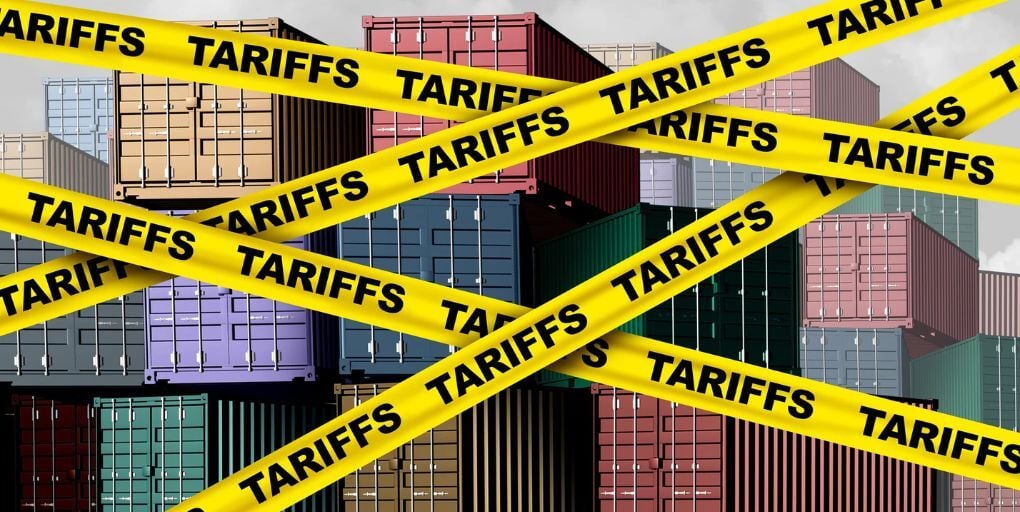

Since last week, key trade policy moves in North America and beyond have added new layers of cost and complexity for the global auto industry, with impacts extending from supply chains to pricing and manufacturing strategy.
The most immediate development comes from Mexico, where lawmakers approved a sweeping increase in tariffs on imported goods from countries without free trade agreements, including China and India. The new measures, set to take effect in January 2026, impose duties of up to 50 percent on more than 1,400 products encompassing cars and auto parts. Industry analysts say the hikes aim to protect domestic production but risk disrupting established supply chains and raising costs for automakers that rely on imported vehicles and components. Critics warn the move could stoke inflation and complicate sourcing amid a slowing economy.
The tariff expansion in Mexico appears partly influenced by pressure tied to the United States–Mexico–Canada Agreement (USMCA) negotiations, as the U.S. presses for tighter commercial ties and reciprocal trade terms. Mexico’s action reflects a broader trend of aligning trade policy with U.S. positions, but observers note that steep duties on imported vehicles and parts may force manufacturers to reallocate production or reconsider regional supply footprints.
Meanwhile, the United States continues to fine-tune its own tariff posture. In recent days President Trump and senior trade officials have signaled that selective tariff relief is possible on targeted goods while maintaining broader duties that support domestic industry. The administration claims tariffs are driving substantial investment commitments in U.S. manufacturing, including the auto and semiconductor sectors, although details remain fluid and evolving.
The impact of U.S. tariff policy on vehicle prices is already visible. Automakers and dealers report that imported cars and trucks subject to higher duties are contributing to sustained price inflation in the new-vehicle market, with some models passing a portion of tariff costs directly to buyers. Industry sources say consumer pricing effects have moderated compared with earlier peaks, but remain a factor in purchase decisions and competitive positioning.
Regional trade dynamics also figure prominently in the current landscape. The recent Mexico tariff hikes occur alongside ongoing implementation of U.S. tariffs on medium- and heavy-duty trucks and certain auto parts, applied at rates of 25 percent and 10 percent on buses. These duties, effective since November under a Section 232 national security proclamation, feed into the cost calculus for commercial fleets and import-dependent manufacturers. Automakers with strong U.S. assembly operations and local supplier networks have been able to mitigate some of the impact through content adjustments and tariff relief credits.
Industry leaders are increasingly focused on nearshoring and enhanced domestic sourcing to improve resilience amid trade policy uncertainty. With tariffs on imported vehicles and parts adding to landed costs, automakers are accelerating plans to bring more production and key components closer to final assembly in North America. Supply-chain executives note this shift is as much about risk management as it is about cost savings, given the pace of tariff changes over the past year.
Looking ahead, the interplay of tariff policy, regional trade agreements, and competitive pressures is likely to remain a defining feature of the auto industry’s strategic planning. Manufacturers and suppliers will need to navigate not only the immediate effects of higher duties but also the evolving landscape of bilateral and multilateral trade relationships that shape where and how vehicles are built and sold.

Photo Credit: Lightspring/Shutterstock.com.
.jpg?width=150&name=jerry-headshot.jpg%20(1).jpg)