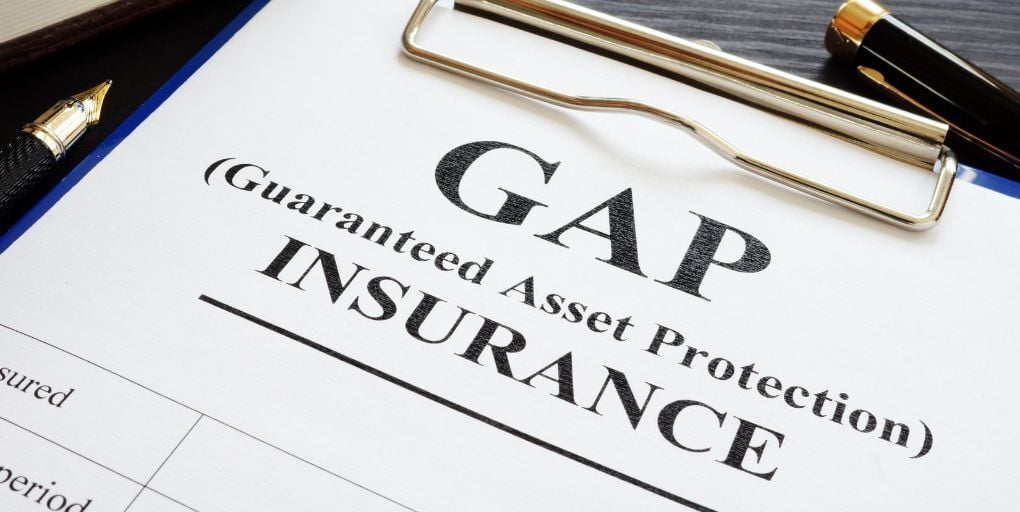

When you finance or lease a new car, you’re probably thinking more about the color, the technology, and the smell of that new interior than what would happen if the vehicle were suddenly totaled. But the moment you drive off the lot, your car’s value starts to drop. That’s where Guaranteed Asset Protection, or GAP insurance, comes in.
What GAP Insurance Does
GAP coverage bridges the difference between what your vehicle is worth and what you still owe on it. If your car is declared a total loss after an accident, fire, or theft, your regular insurance will only pay its actual cash value. If you owe more than that, you’re on the hook for the balance unless you have GAP insurance to cover the shortfall.
Why It Matters More Today
Depreciation makes that risk worse. A new vehicle can lose 20 percent or more of its value in the first year, and with today’s high prices and longer loan terms—sometimes stretching to 72 or even 84 months—more buyers are finding themselves upside down on their loans. The GAP insurance market is growing accordingly, projected to exceed $4 billion in 2025 as more consumers recognize the need for protection.
Who Should Consider It
Anyone making a small down payment, financing for a long term, or leasing a vehicle that depreciates quickly (like any electric vehicle) should give GAP insurance a serious look. It’s also smart for buyers who roll negative equity from a trade-in into their new purchase. Electric vehicles, luxury models, and first-year redesigns can all lose value faster than expected, increasing the gap between what the car is worth and what’s owed.
Who Might Skip It
GAP insurance may not be necessary if you pay cash, make a large down payment, or buy a used car that retains its value well. Once your loan balance drops below the car’s market value, you can safely cancel the coverage, but be sure about the true value.
What It Costs
The cost of GAP insurance varies widely. Buying it through your existing auto insurer is sometimes the least expensive option—often just a few dollars a month. Purchasing it from the dealership can be a little more costly, since dealers often bundle it with other finance products or roll it into the loan amount. That’s not necessarily wrong, but it’s something to review closely. Always ask if the coverage is required by your lender and whether it’s refundable if canceled.
New Reasons to Reconsider It in 2025
High interest rates mean larger loan balances for the same vehicle. Repair costs have soared, which makes insurers more likely to total vehicles rather than fix them. Rapidly changing technology, especially in EVs, is also altering depreciation patterns. Those factors make the financial exposure greater than it used to be.
A Real-World Example
You buy a new car for $40,000, put $4,000 down, and finance the rest for six years. After a year, the car might be worth about $32,000, but you still owe roughly $35,000. If the car is totaled, your insurance company pays $32,000 and you’re still short about $3,000. GAP insurance covers that difference so you don’t end up paying for a car you no longer have.
The Bottom Line
Think of it as financial shock absorption. It won’t prevent an accident, but it can save you from a very unpleasant surprise if the worst happens. Review your coverage once a year and drop it when your loan balance is safely below your car’s value.
A Personal Note
I’ve seen plenty of people walk into a dealership thinking “that’ll never happen to me,” only to find themselves making payments on a car that’s sitting in a salvage yard. GAP insurance isn’t glamorous, and it doesn’t make your car any faster or prettier—but it might just keep a bad day from turning into a financial disaster. That peace of mind is worth a few extra bucks a month.
.jpg?width=150&name=jerry-headshot.jpg%20(1).jpg)