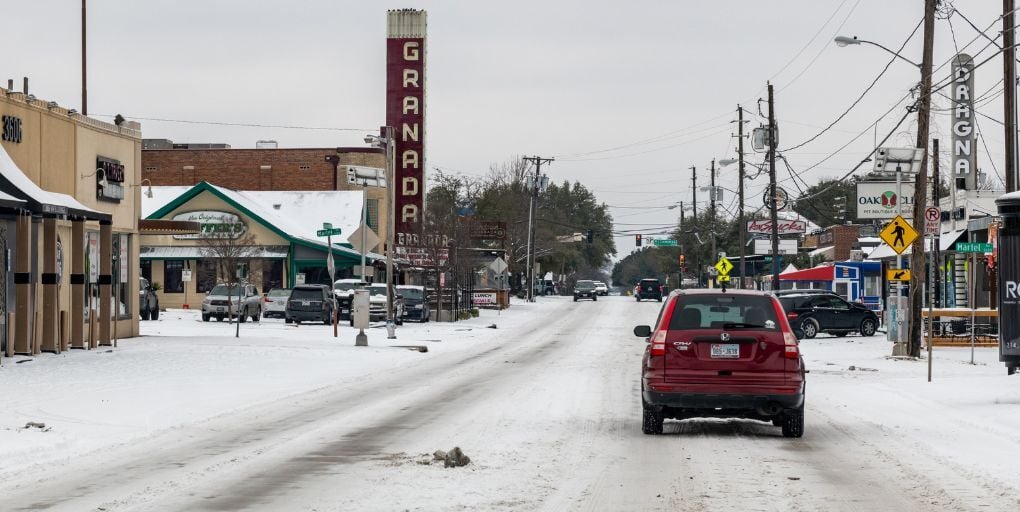

Texas drivers are used to preparing for heat, not hard freezes. But with ice, sleet, and snow in the forecast — along with temperatures well below freezing — this is not the kind of winter weather you can simply power through and hope for the best. In these conditions, preparation matters, especially in a state where roads are rarely treated, overpasses freeze first, and many drivers have little experience in true winter driving.
The good news is that getting your vehicle ready for a winter storm does not require specialized equipment or a trip to the dealership. It does require a little time, some common sense, and understanding that ice is far more dangerous than snow. In Texas, ice is the real enemy.
Below is a practical checklist designed specifically for a winter storm event, not just cold mornings.
Things to do before the storm arrives:
- Top off fuel.
Keep your gas tank at least half full. If roads close or traffic stalls, fuel keeps the heater running and prevents moisture buildup in the fuel system. This applies to hybrids as well — they still need gas to generate heat. - Check your battery.
Cold weather exposes weak batteries. If your battery is more than three years old and has been slow to crank, now is the time to replace it. Jump-starting a car on an icy road is not ideal. Many parts stores and many dealerships will perform a battery check at no charge. - Inspect tires — pressure and tread.
Cold temperatures reduce tire pressure. Low pressure reduces traction, especially on ice. Make sure tires are properly inflated and have adequate tread. Bald or near-bald tires are very dangerous on wet or frozen pavement. - Fill windshield washer fluid with winter-rated fluid.
Standard washer fluid can freeze. Use fluid rated for freezing temperatures so you can clear sleet, salt spray, and road grime. - Check wiper blades.
If they streak or chatter now, they will be useless in sleet or freezing rain. Visibility is everything in winter driving. - Test your defroster and heater.
A fogged windshield during freezing rain is a serious hazard. Make sure front and rear defrosters are working properly before you need them. - Remove unnecessary weight — but keep emergency supplies.
Heavy cargo can reduce traction balance. At the same time, keep an emergency kit in the car: blanket, gloves, flashlight, phone charger, water, and non-perishable snacks. Have you ever bought a can of deicer? It really works if you need to defrost your windshield fast. - Park smart.
If possible, park in a garage. If not, avoid parking under trees or power lines that may drop ice or limbs. Lift windshield wipers off the glass to prevent freezing.
During the storm: what not to do
• Do not use cruise control on icy or snowy roads.
• Do not assume four-wheel drive makes you immune to ice — it does not help you stop.
• Do not warm up your vehicle in a closed garage. Carbon monoxide remains deadly year-round.
• Do not rush. Slow, smooth inputs — steering, braking, acceleration — are critical.
If you must drive on ice:
Brake early and gently. Increase following distance dramatically. Avoid sudden lane changes. Bridges, overpasses, and shaded areas freeze first and stay frozen longest.
Finally, remember this: staying off the road is the safest option. If officials advise against travel, listen. Texas infrastructure is not built for extended winter weather, and even experienced drivers are at risk when ice is involved.
This storm will pass. Preparing your vehicle now can help ensure that you, and everyone sharing the road with you, get through it safely.

Photo: Greenville Avenue in Dallas, TX, 2-17-2021. Editorial Use Only: Jacque Manaugh/Shutterstock.com.
.jpg?width=150&name=jerry-headshot.jpg%20(1).jpg)