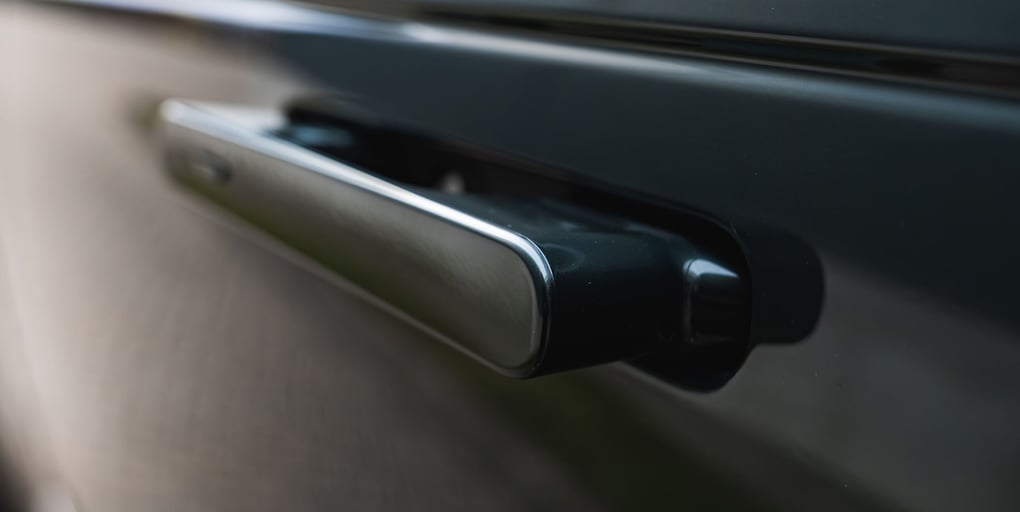

A bill introduced in the U.S. House would require automakers to equip all new vehicles with clearly accessible, power-independent manual door releases, responding to growing safety concerns about electronically operated door handles that can fail after crashes or power loss. Most of these type door handles I’ve seen have been on electric vehicles, and some upper-priced vehicles.
The measure, called the Securing Accessible Functional Emergency Exit Act, or SAFE Exit Act, was introduced this week by Rep. Robin Kelly, an Illinois Democrat. The proposal directs the National Highway Traffic Safety Administration to establish standards ensuring vehicle doors can be opened easily from the inside and outside even when electrical systems are disabled.
Kelly said the legislation was prompted by incidents in which occupants and first responders were unable to open vehicle doors after collisions, fires, or power failures. In some cases, doors relying on electric actuators did not function once a vehicle lost power.
“When a vehicle loses power and people are trapped inside, that is not a design inconvenience, it is a life-threatening failure,” Kelly said in a statement announcing the bill. “Cars must be designed so that people can get out quickly and safely in an emergency.”
According to Kelly’s office, multiple fatalities have been linked in recent years to situations in which electronic door systems failed following crashes. The SAFE Exit Act would require NHTSA to write new rules mandating a mechanical, power-independent release for every door, along with standardized labeling so occupants and emergency responders can locate it quickly. The bill also calls for clearer methods for first responders to access vehicle cabins when electronic systems are inoperable.
Under the proposal, automakers would have two years to comply after final regulations are issued.
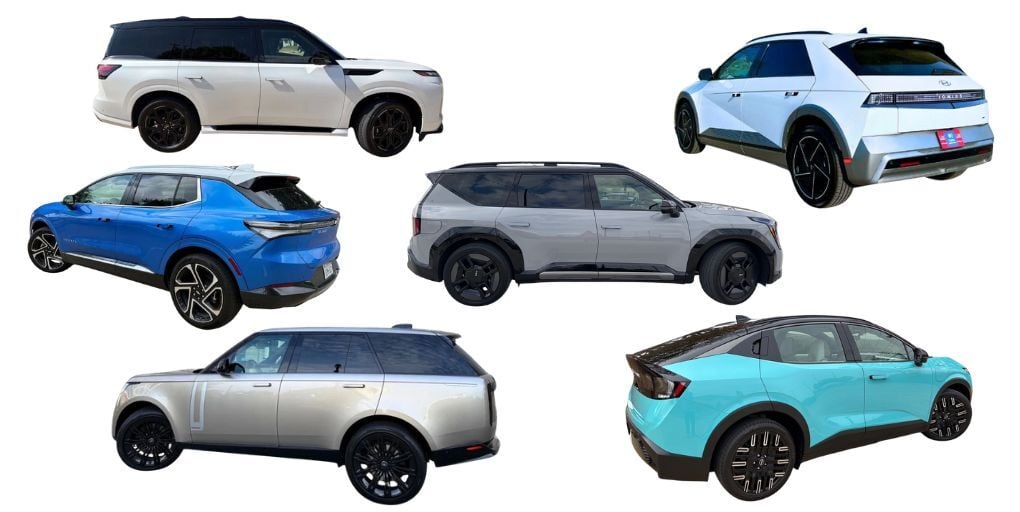
The legislation does not name any specific manufacturer, but concerns about electronic door handles have drawn attention to vehicles that rely heavily on power-operated systems, including some electric vehicles. Certain models use retractable, flush-mounted handles that depend on electrical power to present or unlatch. While many vehicles include secondary mechanical releases, safety advocates say those backups can be difficult to find or operate during emergencies.
Tesla, whose vehicles are often cited in discussions about electronic door handles, has not had any public comment.
Consumer Reports said the issue extends across the auto industry as more manufacturers adopt electronic and retractable door designs. The nonprofit consumer advocacy organization has urged regulators to require intuitive, clearly marked manual releases that function without power.
First responders have raised concerns about inconsistent vehicle designs. Firefighters and emergency medical personnel say newer vehicles vary widely in how doors unlock or release after crashes, forcing rescuers to spend valuable time determining how to gain access. Supporters of the SAFE Exit Act say uniform federal standards would reduce that uncertainty and improve rescue outcomes.
The bill comes amid broader scrutiny of automotive technologies that depend heavily on software and electrical systems. NHTSA has opened multiple investigations in recent years into vehicle features that may pose safety risks when electronic systems fail, including door mechanisms and electronic controls tied to basic vehicle functions.
Similar concerns have emerged overseas. Chinese transportation regulators have announced plans to restrict certain retractable and electronically actuated door handles on future vehicles, citing emergency access concerns following accidents.
The SAFE Exit Act has been referred to the House Energy and Commerce Committee, which oversees vehicle safety policy. It is unclear how much bipartisan support the bill will attract or how automakers and industry groups may respond as the proposal moves through Congress.
Still, supporters say the legislation reflects a growing recognition that design innovation must not come at the expense of basic safety.
“As vehicles become more technologically advanced, we cannot lose sight of fundamental protections,” Kelly said. “When something goes wrong, people need a simple, reliable way out.”

Photo: NorthSky Films/Shutterstock.com.
.jpg?width=150&name=jerry-headshot.jpg%20(1).jpg)