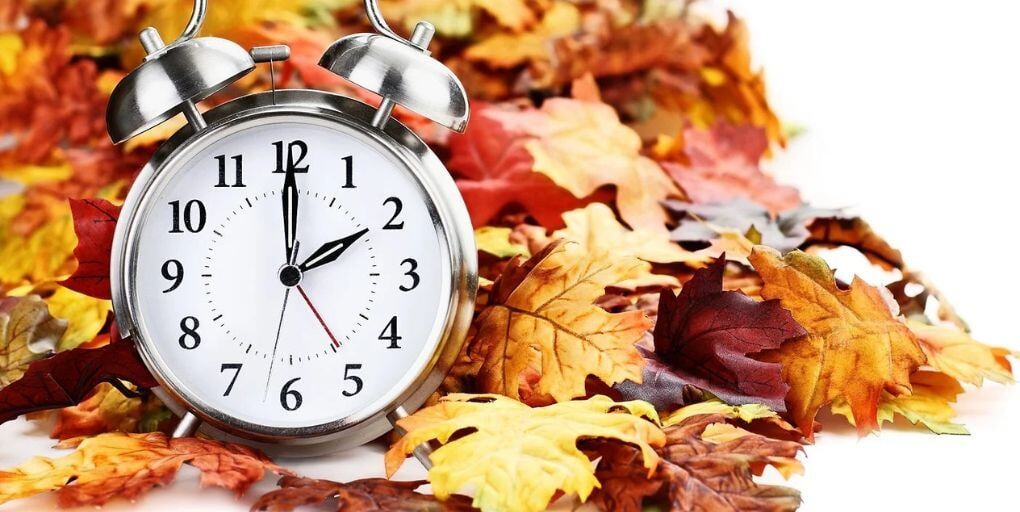

This weekend, we get back the hour we surrendered last spring. Whether that translates into an extra hour of sleep probably depends on whether you have small children, pets, or a body clock that refuses to negotiate.
Daylight saving time ends at 2 a.m. Sunday, November 1, when clocks move back to 1 a.m. Before heading to bed on Halloween night, turn your manually adjusted clocks back one hour. Many phones and connected devices will handle the change automatically, but remember the microwave, oven, bedside clock and, of course, your vehicle. Somewhere, a car clock that has been wrong since March is about to become correct again.
According to the National Institute of Standards and Technology, Hawaii, most of Arizona and several U.S. territories do not observe daylight saving time. For the rest of us, it means returning to standard time and seeing sunset arrive an hour earlier on the clock. Changing the clocks doesn’t actually remove any daylight; the seasonal shortening of our days was already underway.
And yes, it is daylight “saving” time, without an “s.” You can save yourself that argument at the dinner table.
Rather than simply resetting clocks and moving on, use the weekend as a reminder to tackle a few jobs that are easy to postpone.
Start With Your Smoke And Carbon Monoxide Alarms
The old advice to “change your clocks, change your batteries” needs a little updating because alarms aren’t all built the same way.
The National Fire Protection Association recommends testing smoke alarms at least monthly. Smoke alarms with replaceable batteries need fresh batteries at least once a year, and a low-battery chirp calls for immediate attention. However, alarms with sealed, 10-year batteries are designed to have the entire alarm replaced when the battery reaches the end of its life. Don’t try to open those units to change the battery.
Check the manufacture date, too. Smoke alarms should generally be replaced after 10 years. For carbon monoxide alarms, follow the manufacturer’s testing, battery and replacement instructions. Buying batteries is good; making sure the alarm itself still belongs in service is better.
Give Your Heating System Some Attention
Check your furnace or HVAC filter and clean or replace it as the manufacturer directs. A dirty filter restricts airflow, and the Department of Energy notes that clogged filters can increase furnace run time and energy consumption. Make this a recurring check rather than something you remember only when the clocks change.
If you use ceiling fans, check their winter setting. The Department of Energy recommends clockwise rotation at low speed to help circulate warm air collected near the ceiling back into the living space. Let the blades stop before changing the direction, and follow your fan’s instructions.
Give Your Vehicle More Than A Clock Adjustment
Earlier sunsets make this a sensible time to walk around your vehicle and check the headlights, taillights, brake lights and turn signals. Clean the windshield inside and out, check the wiper blades and replenish the washer fluid with a product suited to your climate.
Check tire pressure while the tires are cold, using the recommended pressure on the vehicle’s tire-information label or in the owner’s manual. The number molded into the tire’s sidewall is not your vehicle’s recommended inflation pressure. NHTSA also recommends checking your battery and making sure the heater and defrosters work before winter weather arrives.
Check For Open Recalls
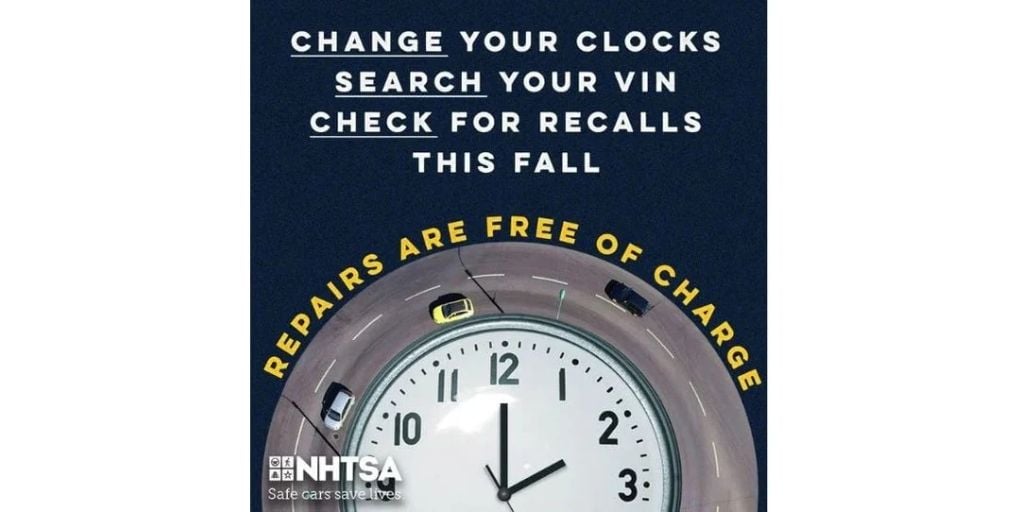
The National Highway Traffic Safety Administration encourages drivers to check for safety recalls at least twice a year, making the clock changes a convenient reminder.
Use NHTSA’s free recall lookup tool to check your vehicle’s identification number, or download the agency’s SaferCar app for recall notifications. If your vehicle has an open recall, contact an authorized dealer about the repair and follow any interim instructions, especially “park outside” or “do not drive” warnings.

We also include the latest recalls in your free Car Pro Newsletter, but checking your own vehicle is a habit worth keeping.
Enjoy the extra hour this weekend. Spend a few minutes on these reminders first, then put the rest toward something productive—like a nap.
Photo Credit: Stephanie Frey/Shutterstock.com.