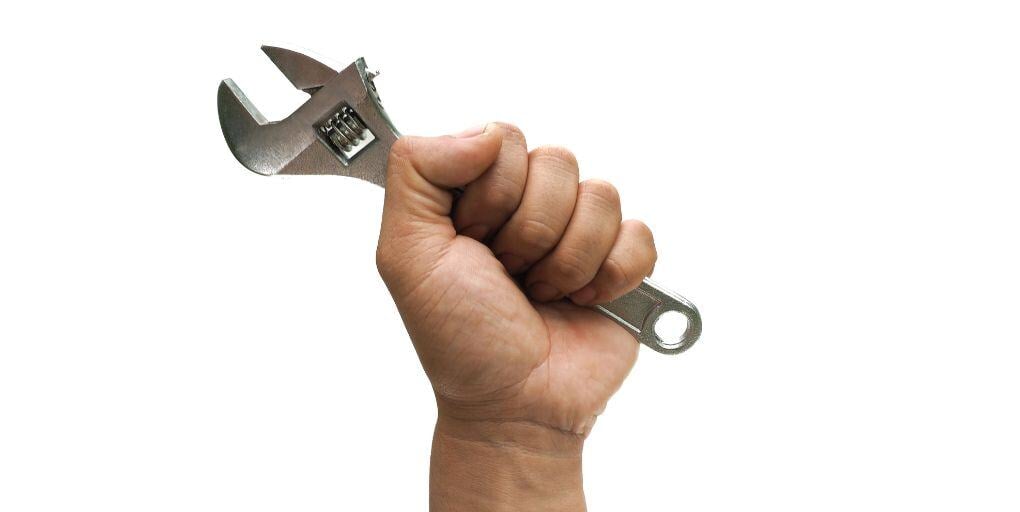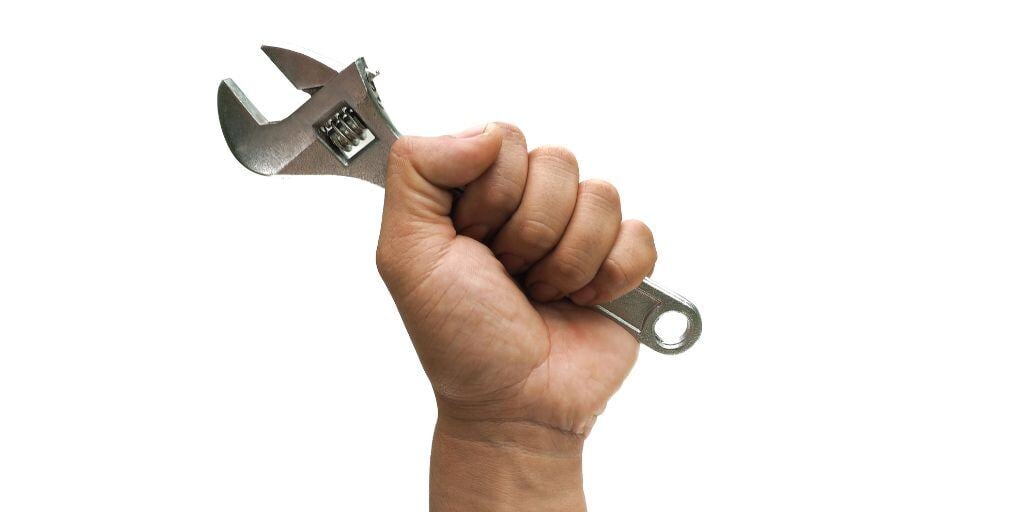

The battle over who has the right to repair your vehicle has been going on for decades, and it has only gotten more complicated as cars have become rolling computers with engines, batteries, sensors, cameras, control modules, and enough software to make a 1970s mechanic reach for a cigarette and a carburetor. In late June, President Trump stepped into that long-running debate, but it is important to be very clear about what his action actually does — and what it does not do.
On Monday, June 29th, the President signed a presidential memorandum directing the Environmental Protection Agency to clarify certain rules involving vehicle emissions repairs and aftermarket parts. This is not a sweeping national right-to-repair law, and it does not force automakers to turn over every piece of diagnostic software, programming access, calibration data, or dealer-only tool to consumers and independent repair shops. It also does not legalize emissions deletes, defeat devices, or tampering with pollution-control systems. Anyone telling you this means you can now yank off a catalytic converter, delete a diesel emissions system, or tune a street vehicle around federal emissions law is getting way out over their skis.
What the memorandum does is focus on a narrower issue: the uncertainty consumers, repair shops, and aftermarket-parts companies face when emissions-related repairs or replacement parts are involved. Under the Clean Air Act, tampering with emissions-control systems remains illegal. That has created a gray area for some legitimate repairs and aftermarket replacement parts, particularly when people are trying to repair a vehicle and return it to its original, legal configuration rather than defeat or bypass the emissions system.
EPA Issues Guidance
Emissions Systems
The President’s memorandum directed the EPA administrator to issue guidance within 30 days clarifying what individuals may do when repairing their own vehicles’ emissions systems, or having those repairs performed, while still staying within the Clean Air Act.
However, the EPA took just two days to issue guidance.
In a statement on its website July 1st, the EPA wrote it "is advancing the freedom to fix for all Americans, regardless of vehicle or equipment type. EPA's guidance affirms that, under the Clean Air Act (CAA), manufacturers must provide Americans access to the same service and repair information they make available to their own branded service centers. This includes Diesel Exhaust Fluid (DEF) and other environmental control systems for on highway vehicles. "
“Within 30 days of issuing his Presidential Memorandum, President Trump wanted EPA to act. We have operated at Trump speed and provided relief to American operators within just two days,” said EPA Administrator Lee Zeldin. “The freedom to fix allows operators to fix broken machinery easier and faster. Today’s action builds on the great work the Trump Administration has accomplished to lower costs for hard-working Americans.”
Aftermarket Emissions-Related Parts: EPA Greenlights SEMA
The memorandum also directed the EPA to look at ways to encourage and speed up alternative certification paths for aftermarket emissions-related parts. Today, the California Air Resources Board process is widely relied upon for certifying many aftermarket parts as emissions-compliant, and the White House says that process has become slow and costly, creating a bottleneck for manufacturers and consumers.
But that has now changed as a result of the memorandum's directive to the EPA.
On July 1st, 2026 the EPA recognized the Specialty Equipment Market Association (SEMA) as an alternative certification authority for aftermarket vehicle parts. The EPA says that moving forward: "Americans will be able to use SEMA’s Certified Emissions (SC-E) Program to show compliance with the CAA and verify that approved aftermarket parts do not negatively impact vehicle emissions. This action fulfills another key aspect of President Trump’s directive."
The EPA says its action will "significantly lower barriers for small businesses looking to enter the market, reduce Chinese knockoffs in the U.S. and expand Americans’ ability to fix their equipment by increasing access to authorized repair parts."
“Americans should not be forced to solely rely on California to certify aftermarket products. Starting today, Americans can trust that products certified by SEMA meet federal requirements and can be used to repair vehicles,” said EPA Administrator Zeldin. “President Trump’s commitment to reviving the American auto industry has been unwavering and has already yielded hundreds of billions in new investments, supported American jobs and expanded consumer choice. With the aftermarket sector being a key piece of the industry, EPA is proud to deliver on the president’s agenda, for the small businesses producing aftermarket parts, and on behalf of the Americans who purchase those parts.”
“Today, the EPA has verified what SEMA for years has told regulators at the state and federal levels: that the automotive aftermarket industry has a precise mechanism to support emissions testing compliance with federal laws, and it’s called SEMA Certified-Emissions,” said SEMA CEO Mike Spagnola. “This EPA recognition of the SEMA Certified-Emissions program by the EPA is nothing short of a pioneering action by the federal government to utilize private-public partnerships in service to industry regulatory compliance efforts. We’re beyond pleased to continue to provide this service to aftermarket businesses so they can bring their innovative products to the market, and with a renewed certainty that our nation’s clean-air laws are being followed.”
Clean Air Act Anti-Tampering Confusion
Additionally, the new EPA guidance "clarifies that light-, medium-, and heavy-duty vehicle manufacturers have a long-standing legal obligation to release the service information, training information, and tools necessary to diagnose and repair vehicles, including faulty DEF systems, on reasonable terms."
This new guidance was in response to confusion surrounding CAA anti-tampering laws regarding whether giving out certain tools and information would be considered enabling the tampering of emission control systems.
Deprioritizing civil enforcement actions
Another key part of the memorandum directs the EPA to consider deprioritizing civil enforcement actions against individuals who, in good faith, attempt to fix their own vehicles back to original configuration. Those words matter. “Good faith” and “original configuration” are a long way from “do whatever you want.” This is aimed at people trying to repair a vehicle properly, not people trying to defeat emissions equipment to gain horsepower, roll coal, or avoid fixing expensive components.
Consumer Impact
For consumers, the practical impact could be more clarity and, potentially, more access to legal, affordable aftermarket emissions parts. If EPA follows through with guidance and a workable certification process, it could help reduce repair costs in some cases, especially where the only available certified replacement part is expensive, delayed, or tied up in regulatory uncertainty. For aftermarket suppliers, it could provide a clearer path to prove that a part is legal for street use without relying solely on a California-controlled process.
Independent Repair Shops
For independent repair shops, this may help in emissions-related repairs, but it does not settle the broader fight over repair data. That larger issue remains alive in Congress and in several states. Repair advocates argue that independent shops need fair access to diagnostic data, repair information, calibration tools, and software in order to compete with dealership service departments. Automakers and dealer groups have long argued that broad access raises concerns about safety, cybersecurity, intellectual property, counterfeit parts, and repair quality. Both sides have been saying versions of the same thing for years, only now the vehicles are far more complicated and the stakes are much higher.
Bottom Line
The bottom line is this: the President’s action is a meaningful move for emissions-related repair clarity and aftermarket-parts certification, but it is not a full-blown victory for the entire right-to-repair movement. It does not repeal the Clean Air Act, it does not give vehicle owners a new enforceable legal right against automakers, and it does not automatically open up every locked software gateway in a modern vehicle. It is more of a directive to EPA to clear up confusion, reduce bottlenecks, and avoid punishing people who are honestly trying to fix their own vehicles the right way.
That may not sound as dramatic as some headlines, but for people who work on their own vehicles, make legal aftermarket parts, or rely on independent repair shops, it could still prove to be important. In the car business, sometimes the big fights are won not with a sledgehammer, but with a properly calibrated torque wrench.
For more guidance from the EPA click here.
Photo Credit: WeerajitJames/Shutterstock.com.

.jpg?width=150&name=jerry-headshot.jpg%20(1).jpg)