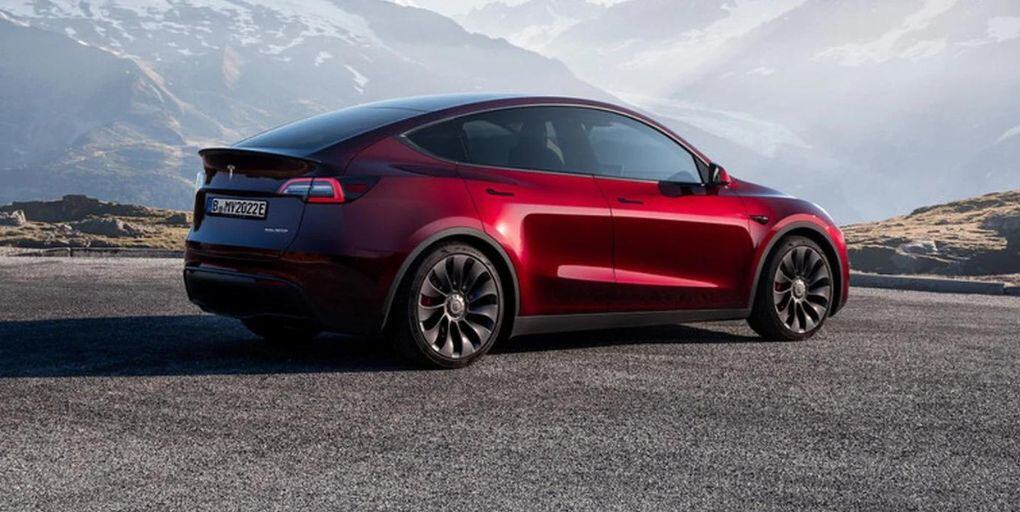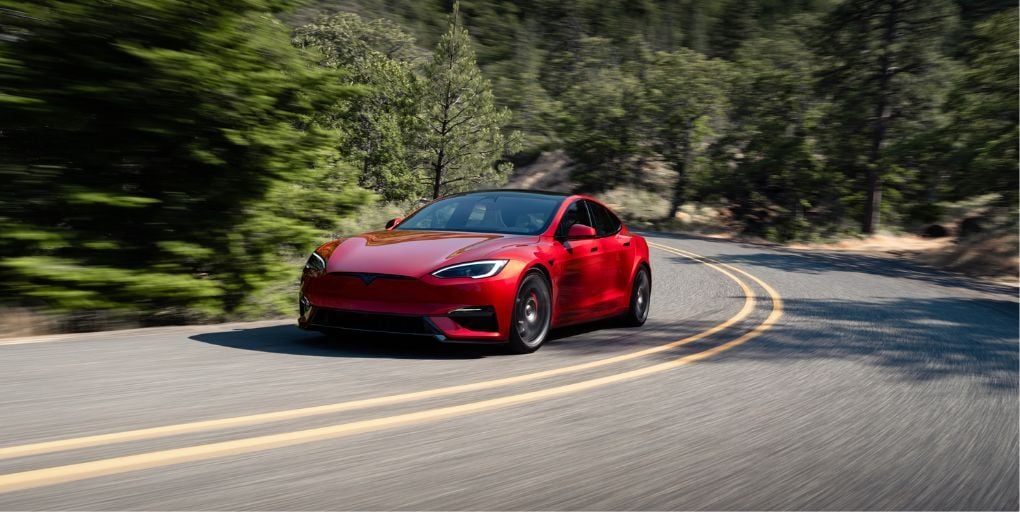
Tesla plans to end production of its long-running Model S sedan and Model X SUV in 2026, marking a major shift for the electric vehicle maker as it reallocates resources toward robotics, artificial intelligence and autonomous vehicle development.
The decision was confirmed last week by Tesla Chief Executive Officer Elon Musk during the company’s fourth-quarter earnings call, where he said production of the two premium models would conclude in the second quarter of 2026. Musk described the move as an “honorable discharge” for the vehicles that helped establish Tesla as a major force in the auto industry.
The factory space currently used to build the Model S and Model X at Tesla’s Fremont, California, plant will be repurposed to support new initiatives, including production of the company’s Optimus humanoid robots, Musk said. Tesla has stated it intends to scale robot production rapidly, targeting output of up to one million units annually once manufacturing is fully ramped up.
The Model S, introduced in 2012, and the Model X, launched in 2015, were once Tesla’s flagship products and among the first electric vehicles to gain widespread consumer acceptance in the luxury market. The Model S in particular was widely credited with reshaping perceptions of electric vehicles by offering long range, high performance and over-the-air software updates at a time when EVs were still viewed as niche products.
Over time, however, the vehicles’ importance to Tesla’s overall sales diminished. Lower-priced models such as the Model 3 sedan and Model Y crossover became the company’s volume leaders, accounting for the vast majority of Tesla’s global deliveries.
In 2025, Tesla delivered about 1.64 million vehicles worldwide. Industry estimates indicate that the Model S and Model X together represented roughly 3 percent of that total, underscoring their reduced role in the company’s lineup.
Competition in the luxury electric vehicle segment has intensified, with legacy automakers and newer entrants offering alternatives that often undercut Tesla on price or provide more recent interior and technology updates. At the same time, Tesla has prioritized cost reductions and manufacturing efficiency in its higher-volume models to protect margins in a more crowded EV market.
The decision to discontinue the Model S and Model X comes as Tesla faces financial headwinds. The company reported a decline in revenue and profit in 2025, citing softer global demand for electric vehicles, increased competition and price cuts implemented to stimulate sales.
Despite those challenges, Musk has repeatedly emphasized that Tesla’s future growth will come from areas beyond traditional vehicle manufacturing. During the earnings call, he reiterated that Tesla should increasingly be viewed as a “physical AI” company rather than solely an automaker.
Central to that vision is Tesla’s work on autonomous driving technology and robotics. The company has been developing its Optimus humanoid robot for several years and plans to unveil a third-generation version in the first quarter that Musk says is designed for mass production. Tesla plans to begin limited production of the robot in 2026, with broader scaling to follow.
Tesla is also advancing its autonomous vehicle strategy, including plans for a robotaxi service that would rely on fully self-driving software rather than human drivers. Limited ride-hailing operations using modified Model Y vehicles began in select markets in 2025, and Tesla has said it plans to introduce a purpose-built autonomous vehicle in the future.
While the shift represents a dramatic change in direction, Tesla said it will continue to support existing Model S and Model X owners after production ends. The company expects to provide ongoing service, parts availability, and software updates, though it has not disclosed how long full support will remain in place.
The end of the Model S and Model X closes an important chapter in Tesla’s history. Both vehicles played a key role in proving that electric vehicles could compete with — and in some cases outperform — traditional gasoline-powered luxury cars.
Tesla’s remaining vehicle lineup will continue to include the Model 3 and Model Y, which remain the company’s top sellers, along with the Cybertruck pickup. The long-promised next-generation Roadster remains in Tesla’s future plans, though production timelines have yet to be finalized.
For now, Tesla appears firmly focused on repositioning itself for what Musk believes will be the next phase of technological disruption — one centered on artificial intelligence, autonomy and robotics rather than expanding its traditional vehicle portfolio.
Tesla Q4 and Full Year 2025 Shareholder Deck →
Photo: Courtesy of Tesla, Inc.