
The global auto industry continues to wrestle with shifting tariff policies, and the past week has brought several major updates that will shape automaker strategies and consumer costs heading into the fall.
U.S.–Japan Agreement Finalized
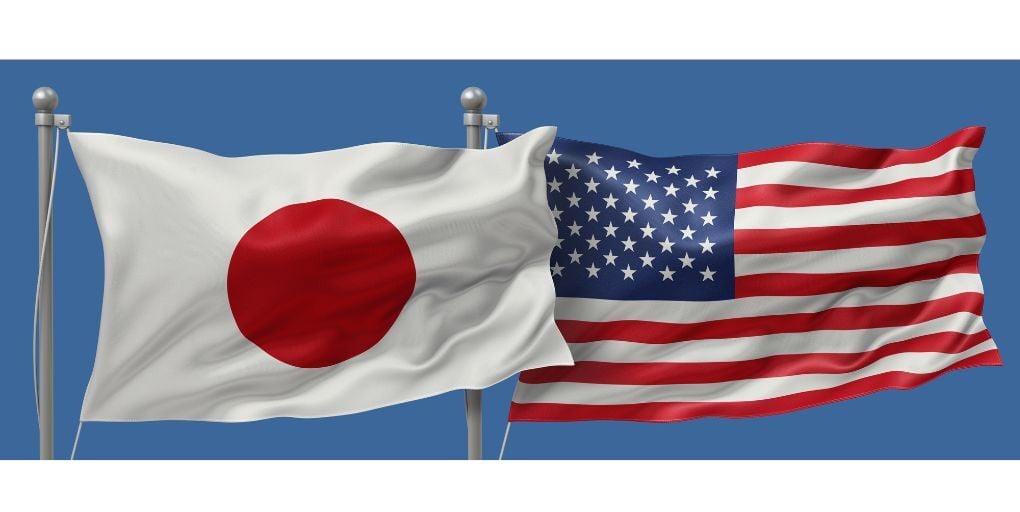
- On September 5, the White House signed an executive order reducing tariffs on Japanese automobiles and auto parts from 27.5% to 15%.
- The cut is retroactive to August 7 and becomes effective once the order is published in the Federal Register, expected mid-September.
- In return, Japan pledged a $550 billion investment package in U.S. infrastructure, defense contracts, and aircraft purchases.
- Japanese automakers gain a clear cost advantage in the U.S. market, while South Korean competitors like Hyundai and Kia now face relative disadvantages with their tariff rates unchanged.
U.K. Gains Partial Relief
- A separate U.S.–U.K. agreement has set a new 10% tariff on British-built vehicles, down from 27.5%.
- The lower rate is capped at 100,000 vehicles annually under a quota system.
Mexico Raises Barriers to China
- Mexico announced steep hikes on Chinese auto imports, boosting tariffs from 20% up to 50% (the WTO ceiling).
- The move aligns with U.S. concerns over China using Mexico as a backdoor into North America under the USMCA trade zone.
- Mexico positioned the change as a way to protect local jobs and shore up its domestic auto industry.
Legal and Policy Shifts
- The U.S. Supreme Court has agreed to hear a fast-tracked case in November 2025 on whether the Trump administration’s sweeping tariffs under the International Emergency Economic Powers Act (IEEPA) were lawful.
- Earlier federal rulings said those tariffs exceeded presidential authority, but they remain in effect pending appeal.
- Congress is considering legislation that would require greater oversight of long-lasting tariffs, potentially curbing executive discretion.
Industry Impacts
- Automakers are openly feeling the strain:
- Volkswagen says U.S. tariffs have already cost it several billion dollars, particularly hurting Audi and Porsche, which lack U.S. production.
- Toyota has projected up to a $9.5 billion tariff burden by March 2026, with $3 billion already booked in losses.
- GM estimates $4–5 billion in added costs and is ramping up U.S. production capacity.
- Suppliers are equally squeezed. Firms like Bosch and Valeo warn that tariff-related costs are forcing price hikes or upfront payments from automakers.
- EV maker Polestar posted a $1.03 billion Q2 loss, citing tariffs as a major factor behind collapsing U.S. sales.
Bottom Line
Since last week's Tariff Talk headlines, the landscape has shifted quickly: Japan secured a major win, the U.K. gained partial relief, Mexico shut its doors tighter on Chinese imports, and the courts are preparing to weigh in on the president’s tariff authority. For automakers, the effects are already showing in balance sheets. For consumers, higher sticker prices and limited supply chain flexibility remain the likely outcome unless trade tensions ease further.
.jpg?width=150&name=jerry-headshot.jpg%20(1).jpg)