
Headlines that caught my attention on the subject of tariffs & vehicles:
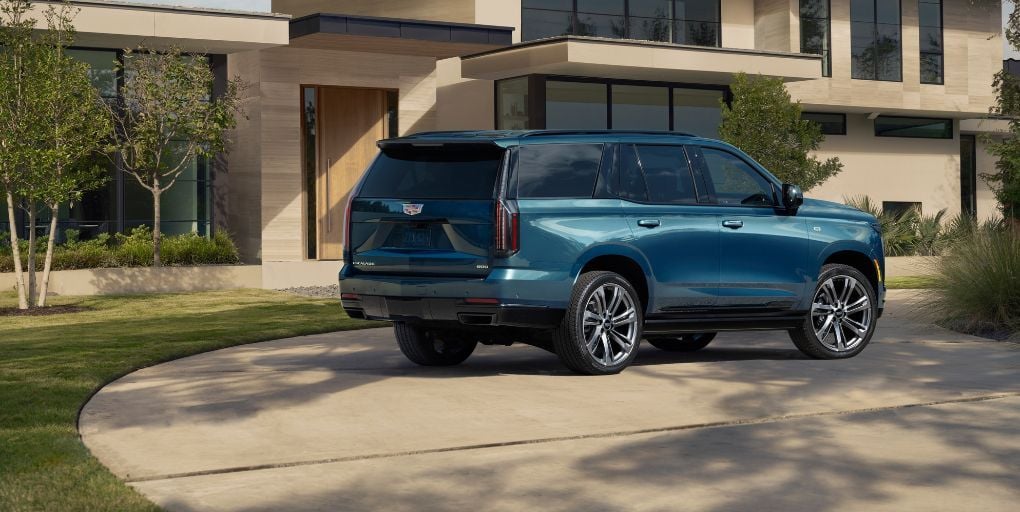
The Cadillac Escalade has just increased for the third time since March, pushing the starting price up nearly $4,000 just this year. That doesn't include the nearly $6,000 increase to the starting price that came with the 2025 refresh. Last year, a base Escalade was $83,890. Today, it's $93,295. A V-Series model is up $15,790 to start. All standard Cadillac Escalade and Escalade ESV (extended version) have just gotten a $3,000 price increase. Escalade-V models with their supercharged 6.2-liter V8 get bumped even higher, with their starting prices up $5,300 to come in at just under $170,000.
Appeals court torpedoes most Trump global tariffs: A divided Federal Circuit said broad IEEPA-based tariffs are unlawful; existing duties stay in place while the administration appeals to the Supreme Court, creating major policy uncertainty for auto trade and pricing. This is certainly headed to the Supreme Court in short order.
EU advances its side of the deal; pressure on U.S. to cut auto tariff to 15%: Brussels moved legislation to drop duties on U.S. goods—designed to trigger the U.S. cut on EU car imports from 27.5% to 15% retroactive to Aug 1; Germany’s VDA urged Washington to implement immediately. Until the U.S. acts, the 27.5% auto rate remains.
India auto-parts fallout intensifies: With U.S. tariff rates on Indian components rising toward 50%, suppliers are pursuing offshore manufacturing and new markets to preserve U.S. business; India’s $80B component sector flags a 15–20% export hit risk.
Plant-level strain: Stellantis Termoli furloughs extended: Stellantis prolonged furloughs at its Italian engine plant, citing weak demand and U.S. tariff headwinds on exported powertrains used in Jeep Compass, delaying local investment plans.
At least $9 billion in annual U.S. imports of manufacturing equipment and machinery are now subject to 50 percent steel and aluminum tariffs, on top of country-level duties the Trump administration recently raised. U.S. Customs and Border Protection on Aug. 18 expanded the list of products subject to the steel and aluminum tariffs to include billions of dollars in annual machinery, industrial robotics and tooling imports. The tariffs apply across manufacturing sectors and could complicate the U.S. auto industry’s efforts to reshore production. They would inflate already-rising costs for U.S. automakers and suppliers to retool and automate their factories.
.jpg?width=150&name=jerry-headshot.jpg%20(1).jpg)