
If it feels like everything in life has turned into a monthly bill, you’re not imagining it. And when it comes to cars, buyers are officially pushing back.
According to a report from InsideEVs, consumers are growing increasingly frustrated with subscription-based features in vehicles—especially when it comes to driver-assistance technology. The problem for shoppers is that automakers aren’t backing off. In fact, they keep trying, even after some very public failures.
Take BMW, for example.
A few years ago, BMW rolled out a subscription fee for heated seats in several markets. The hardware was already installed in the vehicle, but if you wanted to use it, you had to pay a monthly fee. The backlash was swift and loud. Consumers ridiculed the idea, and BMW eventually backed away from the program, acknowledging that customers simply weren’t interested.
Then there’s Mercedes-Benz.
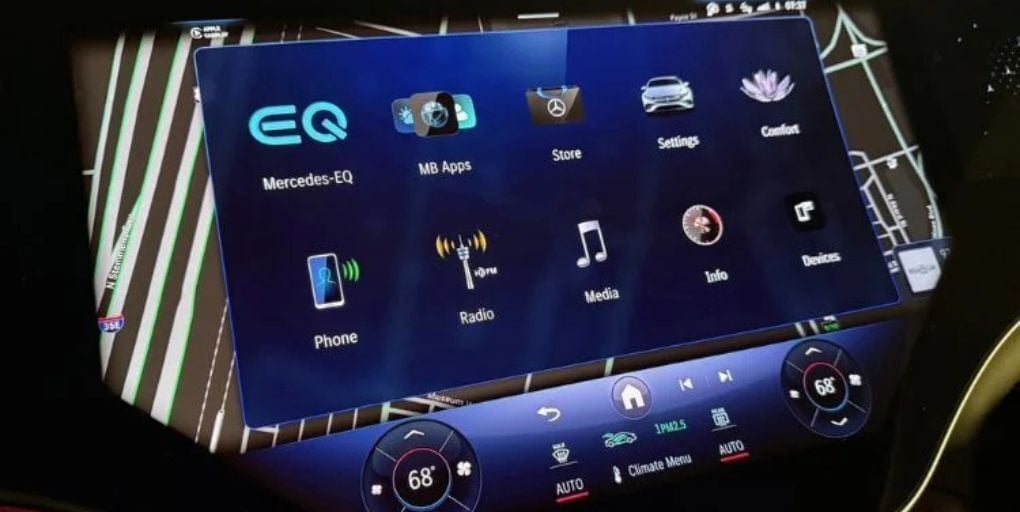
Mercedes introduced a subscription model tied to performance, offering an optional monthly fee to unlock additional horsepower in its electric vehicles. Again, the hardware was already there—buyers were essentially being asked to pay extra to access performance they technically already owned. While the program still exists in limited form, it’s been widely criticized as tone-deaf in a market where vehicle prices are already pushing record highs.
And of course, you have Tesla, which has built much of its business model around software and subscriptions. Tesla’s Full Self-Driving capability can be purchased outright for a hefty price or accessed through a monthly subscription. The difference is that Tesla customers, by and large, have come to expect software-based upgrades. Even so, the system has faced ongoing scrutiny over cost, capability, and whether it truly delivers on its promises.
The pattern here is pretty clear.
Automakers see subscriptions as a gold mine. Instead of relying solely on one-time vehicle sales, they can generate ongoing revenue long after the customer leaves the dealership. From a business standpoint, it’s brilliant—predictable, high-margin income in an industry that has historically been anything but predictable.
From a customer standpoint, it’s a different story.
Research from Cox Automotive shows that nearly 70 percent of consumers would consider switching brands if key features required a subscription. That’s not a small concern—that’s a flashing warning sign.
The resistance largely comes down to one simple issue: people feel like they’re being asked to pay twice. They’ve already spent tens of thousands of dollars on a vehicle, only to find that some features are locked behind another paywall.
And this isn’t just about convenience features anymore.
Driver-assistance technology—systems designed to make driving safer—is increasingly part of the subscription conversation. That creates a perception problem for the industry. When safety-related features are treated as optional add-ons, it raises uncomfortable questions about priorities.
There’s also a broader issue that’s starting to surface: ownership.
For decades, buying a car meant you owned everything it came with. Today, that line is getting blurry. If features can be turned on or off remotely based on whether you’re paying a monthly fee, it challenges the traditional idea of what it means to own a vehicle.
That doesn’t sit well with a lot of buyers.
Meanwhile, global competition could force a rethink. Some automakers, particularly in China, are bundling advanced technology into the purchase price instead of charging ongoing fees. If that approach gains traction, it could put pressure on brands here to reconsider how far they can push subscriptions before customers push back.
Still, don’t expect automakers to abandon the idea anytime soon.
The financial upside is just too big. Software-driven features offer higher profit margins and recurring revenue streams that the industry has never had before. Even with consumer resistance, executives are betting that over time, buyers will come around—especially as vehicles become more software-driven.
That’s a big bet.
Because right now, consumers are dealing with rising vehicle prices, higher interest rates, and insurance costs that keep climbing. Adding another monthly expense—especially for something already built into the car—is a tough sell.
Subscription fatigue is real.
BMW found out. Mercedes is hearing about it. Even Tesla continues to navigate it.
The question is how many more examples it will take before the rest of the industry gets the message.
.jpg?width=150&name=jerry-headshot.jpg%20(1).jpg)