
Each week I bring you the top stories in the auto industry along with my commentary or sometimes amusing thoughts about the craziness that goes on in the world of cars.
- Arkansas Trooper PITs the Wrong SUV, Finds Out Size DOES Matter
- Wrong Pedal, Wrong Speed, Very Wrong Outcome
- Philadelphia’s “Courtesy Tow” Is Courtesy in Name Only
- Mirai Owners Told Not to Pay, Reported to Collections Anyway
Arkansas Trooper PITs the Wrong SUV, Finds Out Size DOES Matter. An Arkansas State Police trooper learned the hard way that not all white SUVs are created equal after mistaking a compact Buick Envista for a full-size GMC Yukon and performing a PIT maneuver on the wrong vehicle, which is the law-enforcement equivalent of tackling the wrong guy in a pickup basketball game. The original suspect was doing 92 in a 60, got away briefly, and somewhere in that gap the trooper decided that a Yukon — roughly twice the size, weight, and presence of the car he was chasing — must be the same vehicle, because apparently headlights are now interchangeable. The innocent driver was spun, no one was hurt, and the trooper apologized, which is nice, but apologies don’t un-flip SUVs. The trooper, hired in October and still on probation, was fired a few days later, while the actual suspect eventually turned himself in, proving once again that patience is safer than enthusiasm. PIT maneuvers are supposed to end pursuits, not create new ones, and they generally work best when aimed at the correct vehicle. This one didn’t, which is why Arkansas State Police are now explaining how a Yukon became a Buick for a few very exciting seconds, and why the rest of us are reminded that maybe, just maybe, identifying the target first is an underrated part of police work.
Wrong Pedal, Wrong Speed, Very Wrong Outcome. An 83-year-old Georgia driver managed to turn a routine drive into a seven-car physics experiment after accidentally flooring her Ford Explorer instead of braking, hitting an estimated 95 mph in a 35 mph zone before slamming into six other vehicles, because nothing tests automotive safety systems quite like full unintended throttle. Police say the crash sent at least four people to the hospital and resulted in multiple felony charges, including serious injury by vehicle and reckless driving, which is a reminder that “pedal misapplication” sounds harmless until it happens at freeway-adjacent speeds in traffic. The driver reportedly told officers she meant to hit the brake, which is believable, but also exactly why this scenario keeps showing up in crash reports involving older drivers, large vehicles, and modern powertrains that respond instantly and enthusiastically to the wrong input. This is the part where everyone argues about age-based testing, personal freedom, and fairness, while quietly agreeing that 95 mph was not the goal of that trip. No word on whether the Explorer was impressed by the performance, but the rest of the cars involved definitely were not.
Philadelphia’s “Courtesy Tow” Is Courtesy in Name Only. Philadelphia’s version of a “courtesy tow” sounds less like help and more like an urban scavenger hunt after legally parked cars are relocated with no tracking, leaving owners wandering the streets hoping to find their own vehicles and sometimes being told to report them as stolen before anyone can say “temporary no-parking zone.” Drivers turned up clueless after Eagles games, construction relocations, or “special events” only to discover their cars either vanished or ended up somewhere with tickets, fines, and no official record of where or why they were moved, because the Philadelphia Parking Authority and its contractors often fail to document the tows properly or notify police as required. The result is frustration, unexpected impound fees, tickets for spots you never chose, and a system that feels more like legalized extortion than a service, which perhaps explains why some residents have given up on hearings that were promised years ago and treat finding your own car like a municipal Easter egg hunt.
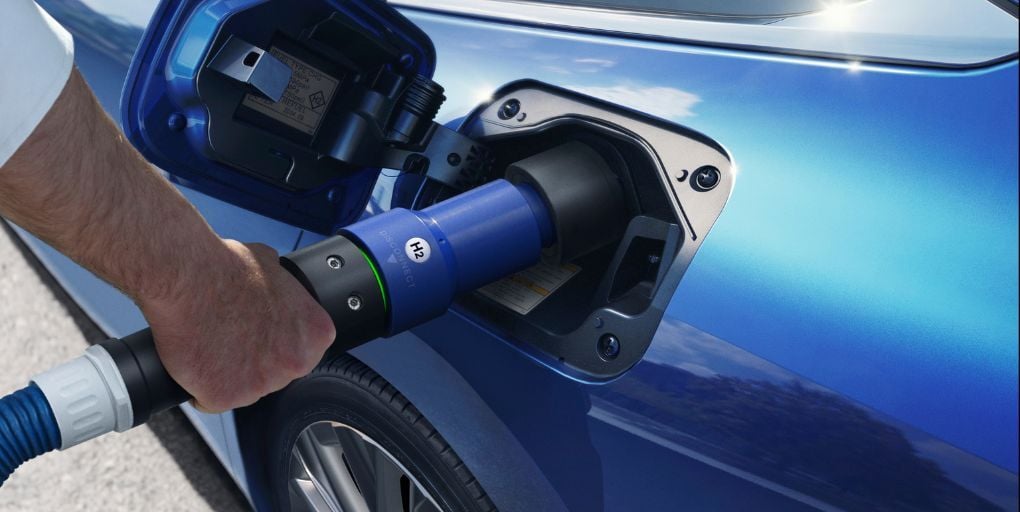
Mirai Owners Told Not to Pay, Reported to Collections Anyway. Toyota’s attempt at a gesture of goodwill toward Mirai owners has backfired spectacularly after the company told customers fighting a lawsuit over the hydrogen fuel cell sedan’s real-world usability that they could pause their loan payments until the case was resolved, only to have several of those paused accounts reported as delinquent to credit agencies anyway and tank owners’ credit scores by triple-digit amounts. Mirai owners say they were assured in writing to stop paying while the legal dust settles in a $5.7 billion complaint accusing Toyota of overselling the car’s practicality in a country with virtually no hydrogen infrastructure, and owners who obeyed that advice saw their scores drop — one went from an 814 down by 100 points and lost access to an interest-free loan needed for medical bills, another saw a 70-point slide, and yet another reportedly lost about 150 points — because the payment pauses weren’t properly recorded and collections were triggered by mistake. Toyota later reversed the derogatory reports after owners complained, but credit scores don’t magically pop back up once they’ve fallen, and the whole episode has left owners furious, lawyers calling it a “fiasco within a fiasco,” and the broader debate about hydrogen cars and corporate accountability looking less like innovation and more like administrative chaos.

Photo: Toyota.
.jpg?width=150&name=jerry-headshot.jpg%20(1).jpg)