
A major shift in how Americans pay for roads could be coming—and it may hit some drivers a lot harder than others.
A leading auto industry group is proposing that the federal government replace the long-standing gasoline tax with a new fee based on how much a vehicle weighs. The idea, put forward by the Alliance for Automotive Innovation, comes as lawmakers face mounting pressure to fix a funding system that is quickly becoming outdated.
The current federal gas tax is 18.4 cents per gallon and hasn’t changed since 1993. Inflation has eaten away at its value, while fuel economy has improved dramatically. Add in the rapid growth of electric vehicles that use no gasoline at all, and the result is a system that no longer generates enough money to maintain the nation’s roads.
The shortfall is significant. Since 2008, the federal government has transferred more than $275 billion from general funds to keep the Highway Trust Fund solvent. In simple terms, the gas tax isn’t keeping up with the times.
The proposed solution is straightforward on paper. Instead of taxing how much fuel a vehicle uses, drivers would pay based on how much their vehicle weighs. Heavier vehicles would pay more, lighter ones less.
Supporters say it’s a fairer approach. Electric vehicles, which currently pay little or nothing in fuel taxes, would finally contribute. Hybrids would no longer get a relative break simply because they burn less fuel. And since heavier vehicles generally cause more wear and tear on roads, the logic is that they should shoulder more of the cost.
But once you move beyond the theory, the cracks start to show.
A weight-based system doesn’t account for how much a vehicle is actually driven. Someone commuting long distances in a small sedan could pay less than a contractor driving fewer miles in a heavy-duty pickup. That raises a fundamental fairness question: should road funding be based on what you drive, or how much you use the roads?
There’s also a group of drivers who could feel this change more than most—people who rely on their trucks to make a living.
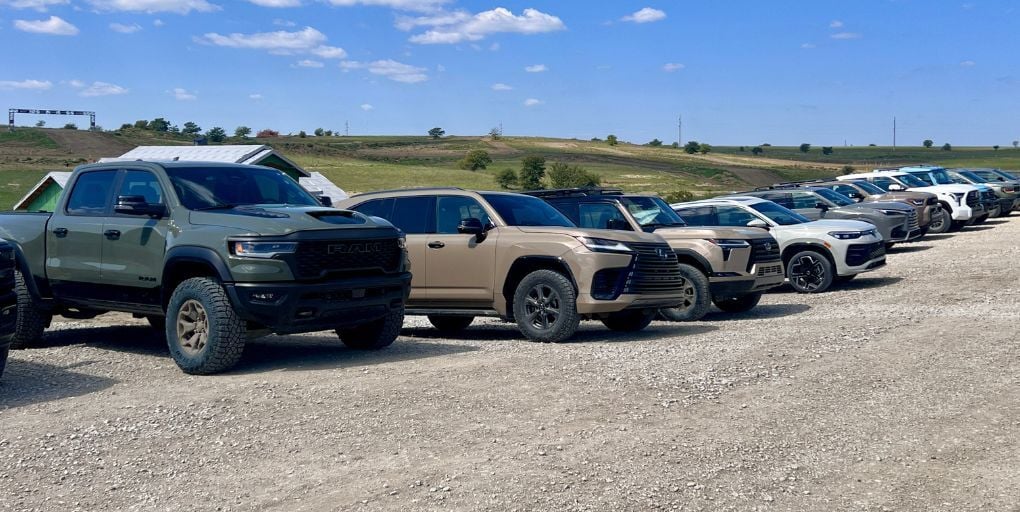
For millions of Americans, pickups are not lifestyle vehicles. They are work tools. Contractors, electricians, landscapers, ranchers, and small business owners depend on heavy-duty trucks to haul equipment, tow trailers, and get jobs done. Those trucks are heavier by design, not by choice.
Under a weight-based system, those same workers could end up paying significantly more each year simply because their vehicles are built for capability. In effect, the proposal risks placing a higher financial burden on people whose vehicles are directly tied to their income.
That’s a tough sell in a country where the pickup truck is as much a symbol of productivity as it is transportation.
It’s also worth noting that modern trucks are heavier for reasons beyond size alone. Safety features, emissions equipment, stronger frames, and, in the case of electric trucks, large battery packs all add weight. In other words, drivers aren’t necessarily choosing heavier vehicles for the sake of it—they’re buying what the market and regulations have produced.
At the same time, there are still major unanswered questions. No specific fee structure has been proposed, and lawmakers would have to decide how to implement such a system—whether through annual registration fees, tiered weight classes, or another method entirely.
Timing could play a role as well. Federal transportation funding is set to expire in September 2026, giving Congress an opportunity to rethink how roads are funded.
For now, the weight-based tax remains just a proposal. But it underscores a growing reality: the gas tax, as we know it, is on borrowed time.
The challenge will be finding a replacement that’s not only sustainable, but fair.
Because if the goal is to modernize how we pay for roads, lawmakers will have to be careful not to create a system that punishes the very people who depend on their vehicles the most.
Photo: CarPro.

.jpg?width=150&name=jerry-headshot.jpg%20(1).jpg)