
J.D. Power is sharing the results of its latest U.S. Sales Satisfaction Study. The big takeaways are that tariffs are accelerating the buying process and transparency is driving sales satisfaction.
According to the J.D. Power 2025 U.S. Sales Satisfaction Index (SSI), more than one-third (36%) of buyers in the new-vehicle market say tariffs impacted their vehicle purchase process, with most of them buying sooner than they had planned. Researchers also say despite the market shifts, overall customer satisfaction with the vehicle purchase experience is up by 1 point this year to 802 (on a 1,000-point scale).
“Satisfaction among buyers has been gradually improving over the years, including a modest increase in 2025 despite the added uncertainties that tariffs bring.” said Stewart Stropp, vice president of automotive retail at J.D. Power. “However, even in a challenging market, the fundamentals of satisfaction haven’t changed. Dealers who stay transparent during the deal, take time to educate buyers on their vehicle’s features, and maintain that connection after delivery are the ones poised to boost buyer satisfaction, ultimately leading to better customer retention and business growth.”
Following are some key findings of the 2025 study as reported in J.D. Power's press release:
- Nearly one-fourth of buyers want a follow-up on their vehicle’s features but it never comes: J.D. Power says while most buyers want to learn about all of their vehicle’s features upon delivery, nearly one-fourth (22%) indicate they would like a follow-up explanation of vehicle features and controls from the dealership a few weeks later, either through a phone call, dealership visit or online video/tutorials. However, more than half (53%) of these buyers never receive any such follow-up, which researchers say presents a key opportunity for dealers to improve the vehicle delivery process and boost future service retention and loyalty.
- Justifying trade-in values drives higher satisfaction: J.D.Power says trade-in transactions have been steadily increasing since the decline in lease volume that began several years ago. Among buyers who traded in a vehicle, 28% say their trade-in value was less than expected. However, researchers say when the dealer provides a clear explanation justifying the trade-in value, customer satisfaction is notably higher, even among those buyers who say the trade-in value didn’t meet their expectations. In such instances, overall satisfaction with the deal-making process averages a score of 800 when justification was provided but plummets to 672 when it wasn’t. J.D. Power says this highlights the importance of transparency in the trade-in process.
- Import brand buyers are more likely to say tariffs accelerated their purchase plans: J.D. Power also found that car shoppers who bought brands from Japan and Europe were more likely to advance their vehicle purchase in response to tariffs. Overall, among customers who say tariffs impacted their purchase, 87% in both the premium and mass market segments say they bought their vehicle sooner than intended. Furthermore, researchers say nearly 15% of buyers in both segments say they spent more than originally intended for their new vehicle.
Highest-Ranking Brands
Premium
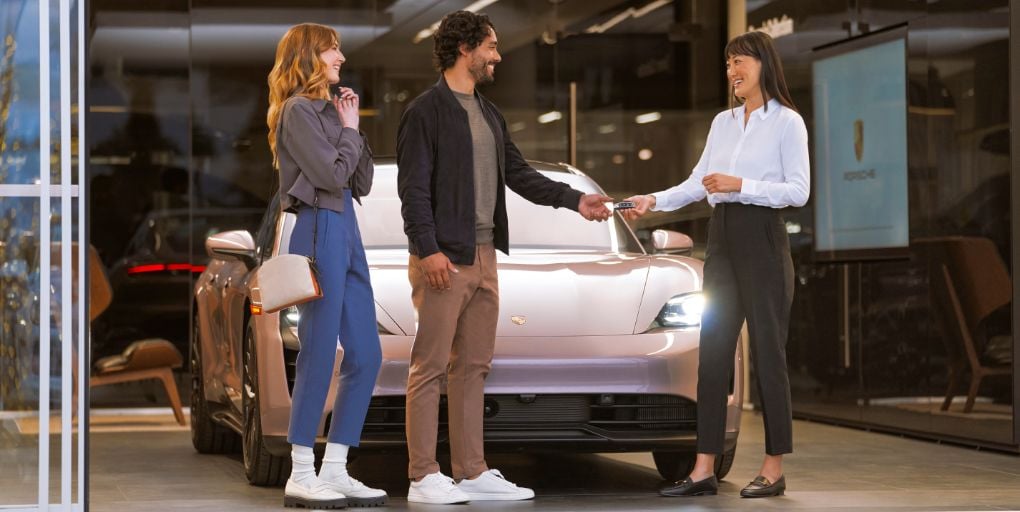
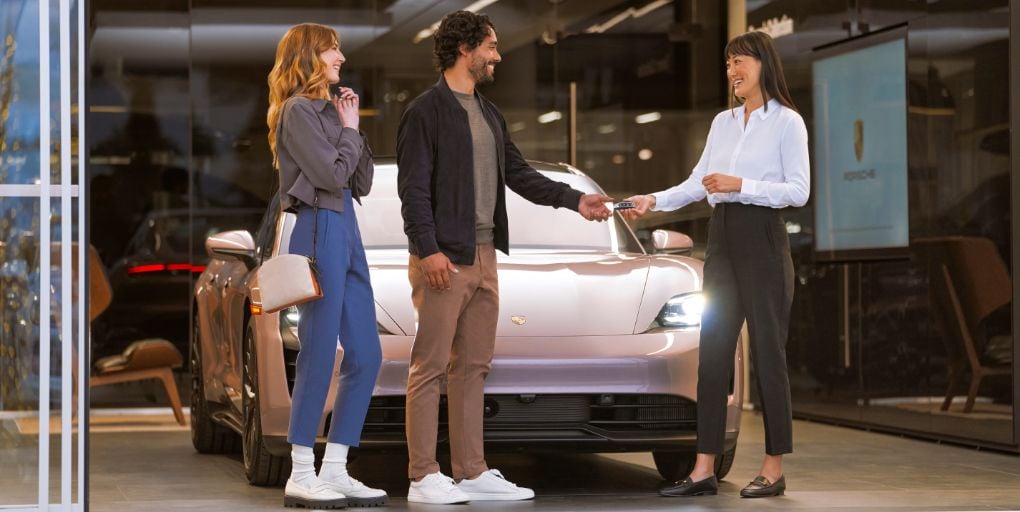
1. Porsche ranks highest in sales satisfaction among premium brands for a third consecutive year, with a score of 855.
2. Land Rover (838)
3. Infiniti (835)
‟We are truly thankful to our customers and to our dealers for this recognition,” said Timo Resch, President and CEO of Porsche Cars North America (PCNA). ‟The day our customers first see, and take to the road in their new Porsche is often the fulfillment of a dream – a truly special moment – and this is reflected in the care our dealers devote to every interaction.”
Mass Market
- Buick ranks highest in sales satisfaction among mass market brands with a score of 827.
- Subaru (823)
- Chevrolet (821)
Segment Awards
The following are the highest-ranked brands in each segment:
- Premium Car: Porsche (for a third consecutive year)
- Premium SUV: Porsche (for a third consecutive year)
- Mass Market Car: Mazda
- Mass Market SUV: Buick (for a second consecutive year)
- Mass Market Truck: Chevrolet
In all, four GM brands, Chevrolet, GMC, Buick and Cadillac, were among the top performers when it comes to buyer satisfaction.
“Today’s results highlight how the extraordinary work by our field teams and our dealers, combined with our strong portfolio of products, is driving an industry-leading customer experience for all of our brands,” said Duncan Aldred, GM’s Senior Vice President and President of North America. “From streamlined online shopping experiences and transparent pricing to exceptional vehicle delivery experiences and personalized follow-up calls and emails, dealers are constantly innovating, allowing us to outdistance our competitors while making the ownership journey easier, more convenient, and more rewarding.”
About the Study
Now in its 40th year, the U.S. Sales Satisfaction Index (SSI) Study measures customer satisfaction with the sales experience among new-vehicle buyers and rejecters. The study is a comprehensive analysis of the new-vehicle purchase experience and satisfaction with the selling dealer (satisfaction among buyers). The study also measures satisfaction with brands and dealerships that were shopped but ultimately rejected in favor of the selling dealership (satisfaction among those who shopped a dealership but purchased elsewhere). Buyer satisfaction is based on six factors (in order of importance): delivery process; dealer personnel; working out the deal; paperwork completion; dealership facility; and dealership website. Rejecter satisfaction is based on five factors: salesperson; price; facility; variety of inventory; and negotiation.
This year's study is based on responses from 32,616 buyers who purchased or leased their new vehicle from March 2025 through May 2025. The study was fielded from July through September 2025.