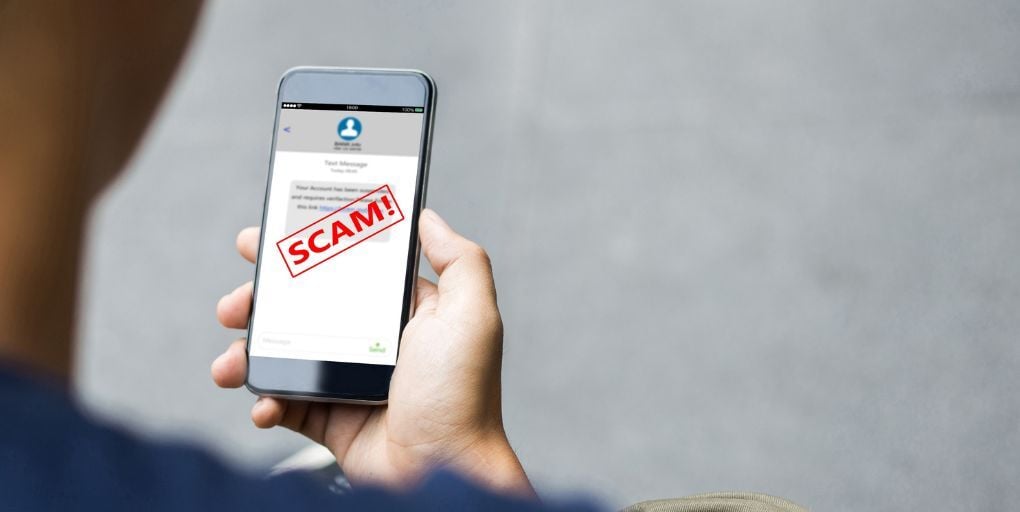

Federal safety regulators are issuing a consumer alert regarding traffic ticket impersonation scams. The warning comes from the National Highway Traffic Safety Administration (NHTSA). The agency is specifically urging Americans to be on alert for scammers claiming to be from NHTSA and demanding payment for traffic violations. NHTSA says scammer messages often refer to fake judges, case numbers, and serious consequences to appear more official and scare recipients into clicking a link and paying.
NHTSA says it does not issue traffic tickets and will never text, call, or email any member of the public regarding any traffic violation. Traffic violations are issued by state and local governments and law enforcement agencies. NHTSA is the federal vehicle safety regulator and as such does not issue any traffic fines to drivers.
The Federal Trade Commission also recently addressed fake ticket scams, saying that texts of pictures that look like official notices of traffic hearings are likely a scam. The FTC reported an increase of that type of text scam in April. Those text messages often involve a QR Code asking you to scan it to pay a fine. Don't ever scan the QR Code.
How to Spot The NHTSA Impersonation Scam
NHTSA says government imposter scams often use fear and pressure to force you into acting quickly. Here are some red flags to watch out for:
- They demand specific, non-traditional payment methods: Governments will not demand that you pay via gift cards, cryptocurrency, wire transfers, or digital payment apps.
- They use threats: Scammers may threaten you with arrest, the immediate suspension of your driver’s license, hefty fines, or referring a case to debt collectors.
- They ask for personal info: NHTSA does not call or text anyone to ask for Social Security numbers, bank account details, or credit card numbers.
Protect Yourself
- Hang up or delete: If you receive a suspicious call or text, do not engage. Hang up immediately or delete the message. Do not click on any links provided in a text or email.
- Verify the source: If you are concerned about a vehicle issue, check for official information yourself. Visit NHTSA.gov/Recalls to check for safety recalls using your VIN or license plate or call the NHTSA Vehicle Safety Hotline at 888-327-4236.
- Report the fraud: If you have been contacted by someone pretending to be from NHTSA, report it your local police, your state’s consumer protection office, and the Federal Trade Commission at ReportFraud.ftc.gov.
Photo: panuwat phimpha/Shutterstock.com