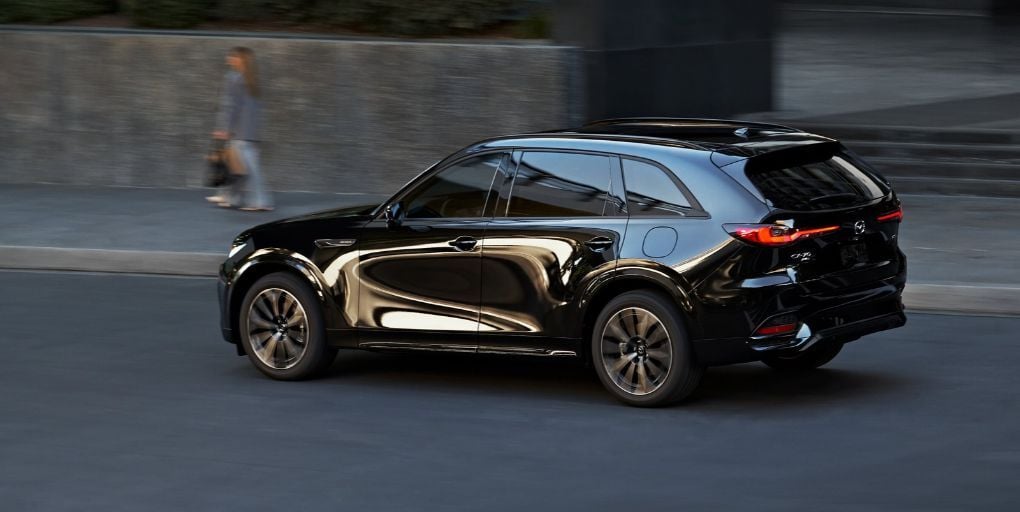

When you’re shopping for a family vehicle, it’s easy to spend half the test drive figuring out the touchscreen and the other half counting cupholders. Here’s a question I’d put ahead of both: How well does this vehicle protect the people riding in the back? The Insurance Institute for Highway Safety is giving that question more weight in 2026, and Mazda came out on top in one tally of its toughest awards.
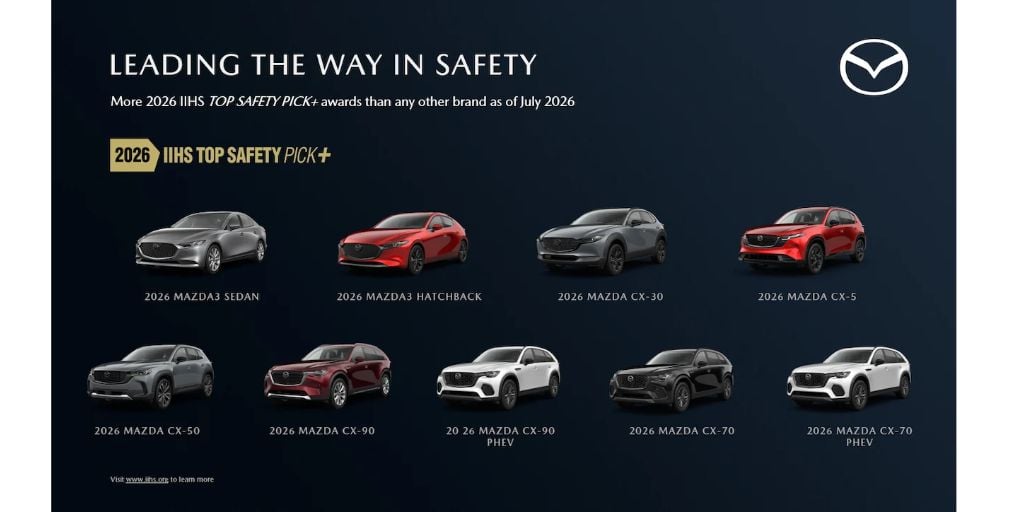 Photo: Mazda.
Sweet James Accident Attorneys counted the institute’s 2026 safety awards through Sept. 15 and found that Mazda had nine Top Safety Pick+ listings, more than any other brand. That’s about one in six of the 53 top awards in the study. Audi and Hyundai tied for second with seven apiece, and each earned one Top Safety Pick award. Hyundai, Genesis and Kia together accounted for 17 of the 53 Top Safety Pick+ listings, nearly a third.
The 10 Brands With the Most 2026 IIHS Safety Awards
|
Rank |
Brand |
Top Safety Pick+ |
Top Safety Pick |
|
1 |
Mazda |
9 |
0 |
|
2 |
Audi |
7 |
1 |
|
2 |
Hyundai |
7 |
1 |
|
4 |
Genesis |
5 |
0 |
|
4 |
Kia |
5 |
0 |
|
6 |
Subaru |
4 |
0 |
|
7 |
Nissan |
3 |
1 |
|
8 |
BMW |
3 |
0 |
|
9 |
Honda |
2 |
2 |
|
10 |
Toyota |
2 |
1 |
The ranking tells you how many awards each brand earned. IIHS rates individual vehicles, and it can list different body styles or powertrains separately. Some awards also apply only to vehicles built after a particular date. If you’re down to two or three choices, look up the exact model and model year. If there’s a production cutoff, check the build date on the label inside the driver’s door.
What Changed for 2026
IIHS updated its moderate overlap front crash test in 2022 by putting a second dummy behind the driver to see how well a rear passenger fares in a frontal collision. For the 2026 awards, a vehicle must earn a good rating in that test to qualify for either distinction. An acceptable rating was enough for the lower-tier Top Safety Pick award last year.
The plus award also sets a higher bar for avoiding a crash in the first place. IIHS requires a good rating in pedestrian crash prevention and an acceptable or good rating in its updated test of systems designed to prevent front crashes with other vehicles. Qualifying crash prevention systems must come standard for either award.
What the Numbers Tell Us About Buckling Up
Sweet James also analyzed federal crash records and found that 29,319 passengers died in U.S. cars and light trucks from 2020 through 2024. Of those passengers, 30.5% were riding in the second or third row, and about one in five was younger than 18. Among passengers who died and whose restraint use was known, 49.4% were unrestrained.
The National Highway Traffic Safety Administration recommends keeping children in the back seat through age 12 and using a car seat, booster or seat belt appropriate for their size. A child can be ready to use a seat belt in one vehicle and still need a booster in another. Check that the lap belt sits snugly across the upper thighs and that the shoulder belt crosses the chest and shoulder. Airbags are designed to work with seat belts.
If you regularly carry kids or grandkids, bring their car seats or boosters along on the test drive. See how they fit, how easily you can reach the buckles and how much room everyone has once they’re properly secured. You’ll learn more about living with that vehicle in five minutes in the back seat than you will in half an hour playing with the touchscreen.