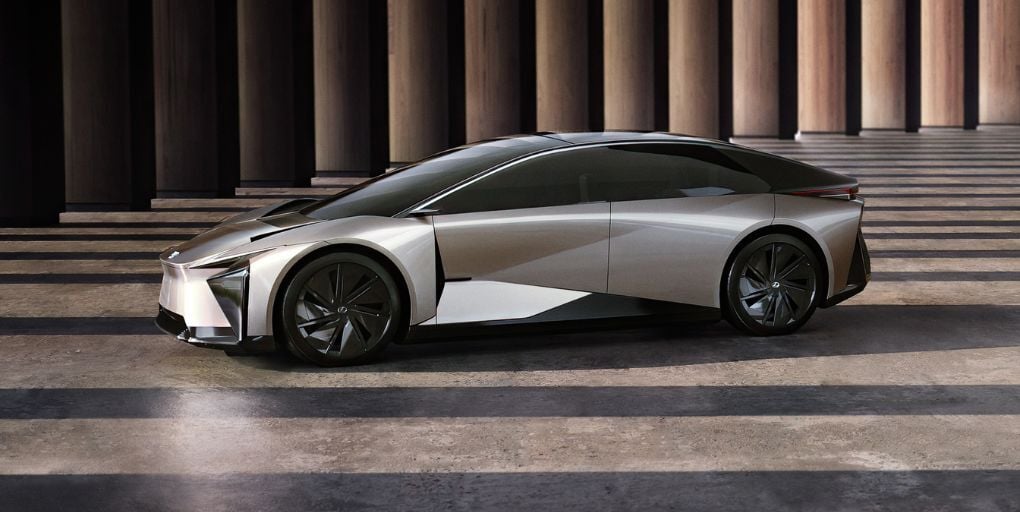

Toyota is pulling the plug on plans for the Lexus LF-ZC, a next-generation electric sedan that was intended to become the technological showcase for the automaker’s future EV ambitions, according to a report from Automotive News.
The move marks a significant shift for Toyota and Lexus, as the LF-ZC was originally positioned as the vehicle that would launch Lexus into a new era of dedicated electric vehicles. The sleek, highly aerodynamic sedan was first previewed at the 2023 Japan Mobility Show and was expected to arrive this year.
Toyota confirmed the cancellation on May 31, with a spokesman saying the decision was made after considering changing market demand and the resources required for vehicle planning and manufacturing.
The LF-ZC, short for Lexus Future Zero-emission Catalyst, was designed to spearhead a new family of electric vehicles riding on a dedicated EV architecture. It was also expected to debut a number of advanced manufacturing technologies Toyota had spent years developing, including gigacasting, hyper-automated production facilities, digital-twin engineering, modular assembly systems, autonomous vehicle movement within factories, and expanded use of logistics robots.
At the time of its unveiling, the LF-ZC was central to Lexus' long-term goal of selling up to one million electric vehicles annually by 2030 and transitioning to an all-electric lineup globally by 2035.
The cancellation comes as automakers around the world reassess EV investments amid slower-than-expected consumer demand. Japanese automakers have been particularly cautious in recent months. Honda, Mazda, and Subaru have all delayed, reduced, or restructured portions of their electric vehicle plans.
Detroit automakers have made similar moves. General Motors, Ford, and Stellantis have each scaled back EV production plans, postponed factory investments, or delayed new model introductions as consumer demand has softened and government incentives have become less certain.
The end of federal EV tax credits in the United States has also added pressure to the market, particularly for mainstream electric vehicles that depend heavily on incentives to remain price competitive.
Despite canceling the LF-ZC, Toyota insists it remains committed to battery-electric vehicles.
A company spokesperson told Automotive News that the decision was part of a broader review of development programs and does not signal an abandonment of future EV projects. Toyota said engineering knowledge and technologies developed during the LF-ZC program will be transferred to other next-generation battery-electric vehicle projects currently under development.
Toyota’s EV strategy increasingly appears focused on flexibility rather than dedicated electric-only architectures. For example the new all-electric Lexus TZ three-row crossover rides on Toyota’s existing TNGA-K architecture, which also underpins vehicles such as the Toyota Camry and Highlander.
For consumers, the cancellation of the LF-ZC is another sign that the industry's once aggressive push toward an all-electric future is becoming more measured. Automakers are still investing billions in EV technology, but many are now pursuing a broader strategy that includes hybrids, plug-in hybrids, and electric vehicles rather than betting exclusively on battery-powered transportation.