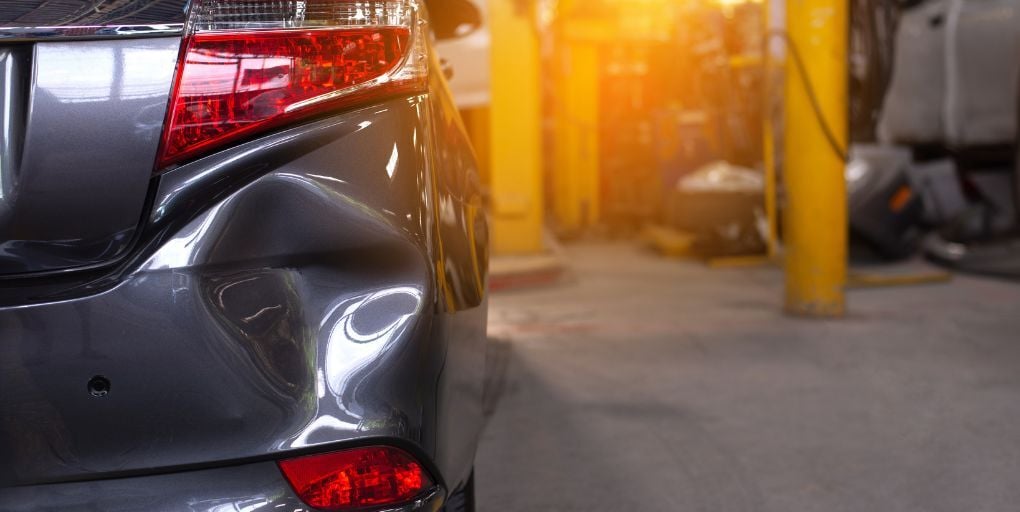

After a car crash, most drivers are shaken, frustrated, and just want their vehicle fixed correctly. Unfortunately, that is also the moment when insurance companies tend to take control of the conversation. Two of the most common questions drivers ask are whether they can choose their own body shop and whether they have any say over the parts used in the repair. In both Texas and California, the answer starts with the same basic principle: the car belongs to the driver, not the insurance company.
In Texas, drivers have a clear legal right to choose the body shop they want to repair their vehicle. Insurance companies are allowed to recommend “preferred” or “in-network” shops, but they cannot require a policyholder to use them. Texas law also requires insurers to inform drivers, in writing, that they may select the repair facility of their choice. Any attempt to imply otherwise crosses into what regulators call “steering,” and that is not allowed. Whether the driver chooses a dealership collision center, an independent shop, or a specialty repair facility, the decision belongs to the vehicle owner.
California drivers enjoy similar protections. State law prohibits insurers from forcing drivers to use a specific repair shop and requires written notice that consumers may select any licensed facility they prefer. Like Texas, California allows insurers to suggest shops they work with regularly, but the final decision rests with the driver. If a claims adjuster says repairs will be delayed, more expensive, or somehow compromised because the driver chooses a different shop, that claim should raise red flags. The law does not support that kind of pressure.
Where the two states begin to diverge slightly is in how replacement parts are handled. Neither Texas nor California automatically guarantees the use of OEM, or original equipment manufacturer, parts in every repair. Insurers in both states are generally allowed to specify aftermarket or recycled parts, but only under strict conditions.
In Texas, insurers must disclose in writing when non-OEM parts are used and must identify those parts clearly. The parts must be of “like kind and quality,” meaning they are supposed to match the fit, finish, and function of the original component. If an insurer fails to make proper disclosure, it may be out of compliance with state rules. Texas drivers also have leverage when safety systems, structural components, or advanced driver-assistance systems are involved. In many cases, body shops can document that OEM parts are required to ensure proper calibration or crash performance, which often leads to insurer approval.
California takes a similar approach but with more formal consumer disclosures. Drivers receive an Auto Body Repair Consumer Bill of Rights that explains their options and protections. If aftermarket parts are used, insurers must notify the vehicle owner and identify the manufacturer of those parts. California law also allows drivers to request OEM parts, though approval often depends on vehicle age, policy language, and the nature of the repair. As in Texas, safety-related components and sensor-equipped panels are common areas where OEM parts are justified.
In both states, the insurance policy itself matters. Some policies explicitly provide for OEM parts, particularly on newer vehicles or higher-tier coverage plans. Leased vehicles often require OEM parts under the lease agreement, which insurers typically honor. Newer vehicles still under factory warranty also tend to receive more favorable consideration for OEM components, especially when repairs could affect warranty coverage or resale value.
One important point drivers often miss is that insurers are generally required to pay only a “reasonable” cost for repairs. That does not mean the cheapest repair. It means a repair that restores the vehicle to its pre-loss condition using accepted industry standards. A reputable body shop that documents proper repair procedures, manufacturer guidelines, and calibration requirements can be a powerful ally for the consumer.
The bottom line in both Texas and California is this: drivers are not powerless after a collision. They have the right to choose where their vehicle is repaired, the right to be informed when non-OEM parts are proposed, and the right to question decisions that affect safety, value, and long-term reliability. Insurance companies may write the check, but they do not own the car. Knowing that difference can change the outcome of a claim dramatically.
Photo Credit: CC7/Shutterstock.com.

.jpg?width=150&name=jerry-headshot.jpg%20(1).jpg)