
January delivered a mixed start to the year for U.S. light-vehicle sales, as early momentum at several automakers faded later in the month amid widespread winter storms that disrupted dealership traffic across large parts of the country. While some brands posted gains on the strength of passenger cars and hybrid vehicles, others were hit by declining electric-vehicle demand, soft truck sales and weather-related shutdowns.
Results, according to GlobalData cited by Automotive News, varied widely by automaker.
Toyota/Lexus
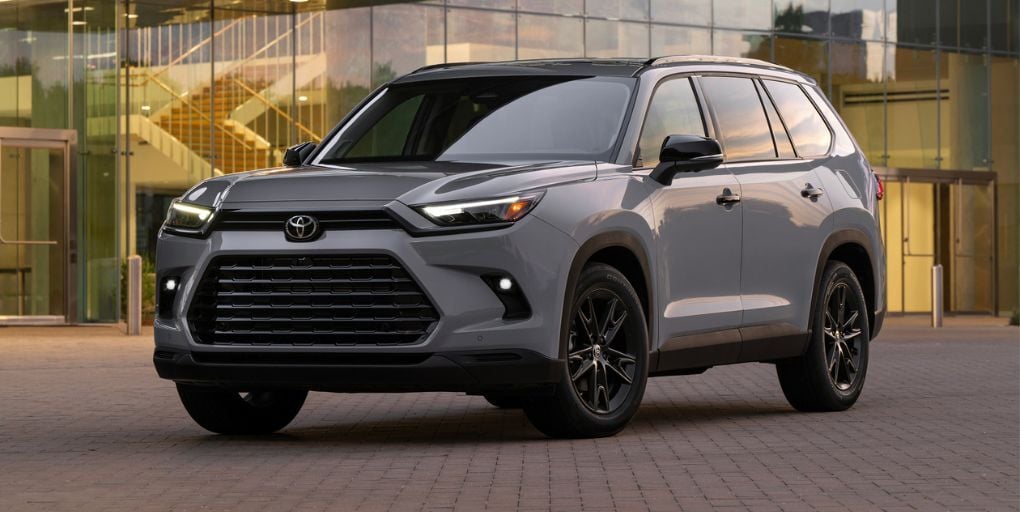
Toyota Motor Corp. reported an 8.1 percent increase in U.S. sales for January, marking its 11th consecutive month of growth for the Toyota brand. Sales rose 7 percent at Toyota and jumped 15 percent at Lexus, even as deliveries of the company’s top-selling RAV4 crossover fell sharply. RAV4 sales dropped 39 percent as Toyota prepares for a staggered launch of a redesigned model.
That decline was more than offset by double-digit gains across much of Toyota’s lineup. Corolla deliveries increased 12 percent, Camry rose 15 percent, Tacoma climbed 14 percent, Highlander surged 68 percent and Grand Highlander jumped 72 percent. Strong demand for cars and hybrids helped Toyota overcome weather-related disruptions that sidelined shoppers in key regions late in the month.
Honda/Acura
Honda Motor Co. also posted a modest January gain, with U.S. sales rising 1.9 percent. The Honda division increased 1.7 percent and Acura rose 3.8 percent. Deliveries of Honda’s top seller, the CR-V, slipped 1 percent, reflecting softer crossover demand during severe winter conditions.
Accord sales totaled 12,739 vehicles, with demand skewing toward more affordable gasoline-powered trims. Honda reported a 32 percent increase in sales of those lower-priced versions, highlighting continued consumer sensitivity to pricing amid higher interest rates.
Ford/Lincoln
In contrast, Ford Motor Co. reported a 5.2 percent drop in January deliveries, as weakness in electric vehicles, pickups and utilities outweighed gains at its luxury brand. Sales declined 5.9 percent at the Ford division but rose 9.8 percent at Lincoln.
Ford’s F-Series pickups, the company’s top-selling nameplate, saw sales tumble 18 percent due to a shortage of the brand’s crown jewel. Inventory levels are likely to remain slim for the foreseeable future due to a fire at one of Ford’s suppliers of aluminum. Overall electric-vehicle deliveries plunged 69 percent, while pickup sales fell 9.2 percent and SUV and crossover volume dipped 2 percent, Ford reported Feb. 4. The automaker also saw a steep decline in Escape sales, which dropped 69 percent following the model’s discontinuation. As recently as 2024, the Escape ranked as Ford’s second-most popular utility vehicle behind the Explorer.
Hyundai/Kia
Hyundai and Kia both posted record January results in the U.S., supported by strong hybrid and crossover demand that helped counter ongoing weakness in electric vehicles.
Hyundai Motor Co. reported a 2.1 percent increase in January sales to 55,624 vehicles, while Kia saw deliveries jump 13 percent to 64,502. The results marked the first time since February 2025 that Kia outsold Hyundai in the U.S. and represented Kia’s largest monthly lead over Hyundai since March 2020, when pandemic disruptions reshaped the market.
Hyundai said its gasoline-electric hybrid sales surged 60 percent in January, helping offset softer EV demand following the expiration of federal tax credits. Three crossovers — the Kona, Palisade and Venue — each posted double-digit gains.
Kia’s performance was driven largely by a 14 percent increase in crossover volume and higher fleet shipments. The Sportage rose 23 percent, Telluride gained 7.4 percent and Seltos soared 86 percent, with all three models setting January sales records. Kia said its overall electrified-vehicle sales climbed 45 percent, though EV deliveries continued a downturn that began in the fourth quarter after the $7,500 federal tax credit ended in late September.
Kia also benefited from strong passenger-car demand. K5 sales jumped 44 percent, while K4 deliveries rose 2 percent, both setting January records. The brand has now posted seven consecutive months of U.S. sales growth.
Genesis
Luxury brand Genesis reported a 6.6 percent increase in January sales to 5,170 vehicles, its 16th straight monthly gain. Growth was led by double-digit increases for the GV70 and GV80 crossovers.
Subaru
Elsewhere, results were weaker. Subaru reported January sales of 42,157 vehicles, down 9.1 percent and marking its sixth consecutive monthly decline. Record January deliveries of the Forester were offset by softer Crosstrek and Outback sales. Subaru said winter storms forced temporary closures at many U.S. dealerships.
Mazda
Mazda also extended its downturn, with January sales falling 14 percent to 28,958 vehicles. Light-truck deliveries dropped 13 percent, contributing to Mazda’s sixth straight monthly decline. Despite the slide, the automaker said January was its third-best January on record. Mazda has cited the sell-down of plug-in hybrid inventory ahead of the expiration of federal incentives and reduced fleet shipments as key factors weighing on recent volume.
January 2026 VS January 2025
Overall, January underscored the uneven pace of the U.S. auto market, with hybrids and affordable cars outperforming EVs and weather playing an outsized role in shaping monthly results.
Here are the January 2026 sales versus January 2025 from those automaker’s that report sales on a monthly basis:
Manufacturer |
January 2026 |
vs 2025 |
1. Toyota
|
150,886 |
7% |
2. Ford |
127,096 |
5.9% |
3. Honda |
89,575 |
1.7% |
4. Kia |
64,502 |
13.1% |
5. Hyundai |
55,624 |
2.1% |
6. Subaru |
42,157 |
9.1% |
7.Mazda |
28,958 |
14% |
8. Lexus |
25,967 |
14.8% |
9. Acura |
9,019 |
3.8% |
10. Lincoln |
7,102 |
9.8 % |
11. Genesis |
5,170 |
6.6.% |
12. Volvo |
5,166 |
36.5% |

.jpg?width=150&name=jerry-headshot.jpg%20(1).jpg)