
A new set of reports from J.D. Power shows that while broad measures like horsepower and styling draw car buyers in, it is the quality of components such as brakes, seats and multimedia systems that can make or break satisfaction during the first weeks of ownership.
The 2025 U.S. Component Quality Reports, or CQRs, analyze responses from tens of thousands of new-vehicle owners within the first 90 days of purchase. J.D. Power combines findings from its Initial Quality Study (IQS), Automotive Performance, Execution and Layout (APEAL) study, and the Tech Experience Index (TXI) to provide automakers and suppliers with a deep dive into how individual parts and systems perform.
Six categories anchor the CQRs: driving experience and brake quality, powertrain, interior materials and design, multimedia technology, seat comfort, and overall satisfaction with features. By breaking out data in this way, automakers and suppliers see where buyers are impressed — and where small problems are leading to big frustrations.
Braking remains a focal point. J.D. Power said many complaints involve noises, vibrations or pedal feel that might not indicate safety concerns but still dent confidence. Powertrain responses were mixed: owners praised performance and responsiveness but flagged quirks in fuel economy and transmission smoothness.
Inside the cabin, interior quality and seat design drew a wide range of opinions. Some buyers applauded the premium feel of materials and supportive seat bolsters, while others criticized plastics or found seating uncomfortable. Seat quality, J.D. Power reported, continues to be one of the most polarizing areas in the ownership experience.
Technology continues to be a stumbling block. Infotainment systems, voice recognition, smartphone integration and touchscreens accounted for some of the highest complaint rates across all categories. “Consumers expect multimedia systems to be as reliable as their smartphones, and when they fall short, satisfaction drops quickly,” J.D. Power said in releasing the findings.
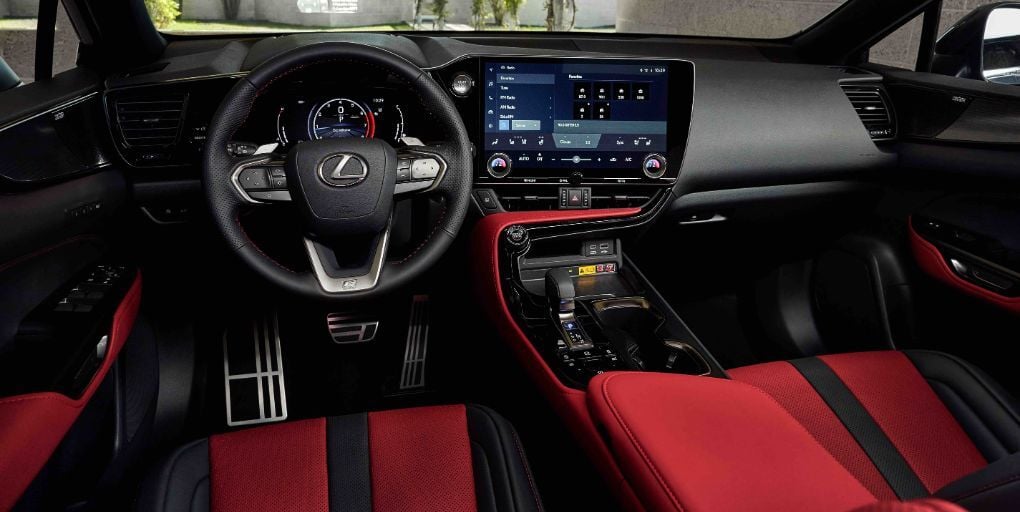
While the component reports spotlight problem areas, they also highlight who is getting it right. In the 2025 Initial Quality Study, Lexus ranked highest among all brands with just 166 problems per 100 vehicles, far better than the industry average of 192. Nissan led all mass-market brands with a score of 169, followed closely by Hyundai and Chevrolet. Among premium brands, Jaguar earned a top-three finish.
Individual models also stood out. The Porsche 911 was named the highest-ranking model overall in initial quality, reinforcing the sports car’s reputation for precision engineering. Segment leaders included the Buick Encore GX, Cadillac XT5, Chevrolet Blazer, Chevrolet Silverado, Chevrolet Tahoe, Ford Escape, Ford F-150, Ford Mustang, Ford Super Duty, Acura Integra, Acura RDX and Honda Odyssey.
The results are more than bragging rights. Automakers use the CQRs to evaluate suppliers and allocate resources. A high complaint rate in one category can jeopardize contracts, while strong performance can lead to more business. For suppliers, the reports serve as an early warning system to correct issues before they grow into larger warranty costs or reputational problems.
J.D. Power said the timing of the component reports gives automakers the ability to react before future model launches. Multimedia results are published in September, powertrain in October, and other categories throughout the fall. That calendar allows engineers to address problem areas in mid-cycle refreshes or new-model rollouts.
For consumers, the message is clear: what feels like a minor annoyance on a test drive — a stiff seat, a lagging voice command, or a brake pedal with too much travel — can grow into a major source of dissatisfaction. Conversely, when an automaker nails the details, owners reward them with loyalty and positive reviews.
“Consumers are extremely sensitive to both the look and feel of components and to how well they function,” J.D. Power said. “It is no longer enough to deliver a reliable powertrain. Every piece of the vehicle has to perform.”
As the automotive industry braces for continued competition and tighter margins, the winners are the companies paying attention to those details. I hear this regularly from Car Pro Show listeners. Lexus, Nissan, Hyundai, and Chevrolet are proving that focus pays dividends, while models such as the Porsche 911 and Ford F-150 show that excellence in component quality translates directly to customer satisfaction. For suppliers and automakers alike, the lesson is the same: when it comes to winning over buyers, the little things matter most.
.jpg?width=150&name=jerry-headshot.jpg%20(1).jpg)