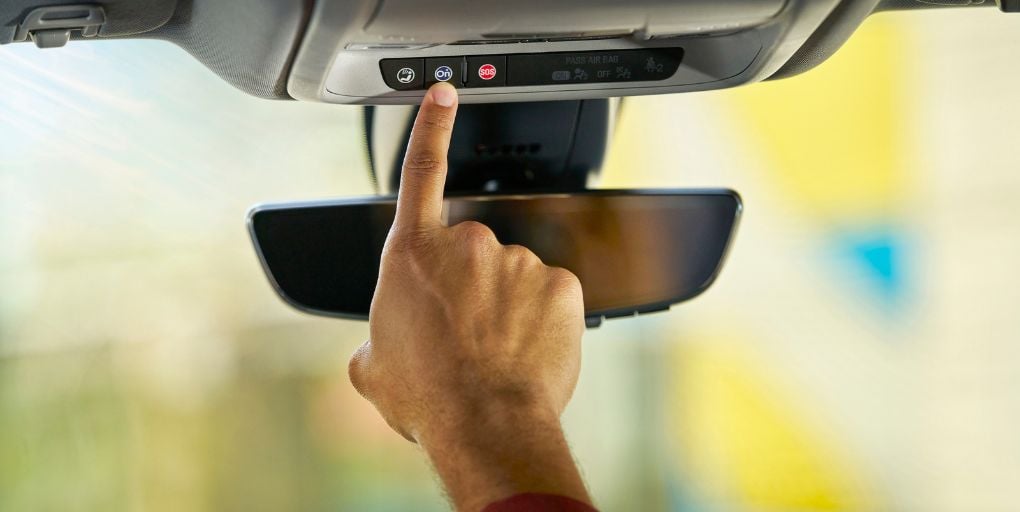

General Motors is facing a lawsuit in Iowa that accuses the automaker of collecting driver data through its OnStar connected-vehicle system and sharing that information with insurance companies and third-party data brokers without properly informing customers.
The lawsuit, filed in late February by Iowa Attorney General Brenna Bird in Polk County District Court, alleges GM violated the state’s consumer protection laws by unlawfully collecting and selling data from Iowans without their knowledge or consent, beginning in 2015. The lawsuit also alleges that the driving data was "so valuable" that "GM paid bonuses to salespeople who enrolled customers in GM services that would collect customer driving data."
According to the complaint which you can read in full here, GM allegedly gathered information from vehicles equipped with OnStar and other connected-vehicle services and provided that data to third-party data brokers that was ultimately sold to insurance carriers. The lawsuit claims insurers could have used the information to raise premiums, deny coverage or cancel policies for some drivers.
In a press release, the Iowa AG outlines three parts of its petition that assert:
-
GM deceived consumers when they were buying a vehicle by misrepresenting the nature and scope of the OnStar-connected services.
-
Consumers were often misled into believing enrollment in OnStar was mandatory to access basic safety features.
-
GM failed to adequately disclose that enrollment in its mobile apps or Connected Vehicle Services would allow the company to collect and sell detailed personal data.
"Iowans deserve to know who is collecting, using, and selling their data and why,” said Attorney General Bird. “They should also be able to trust a company as large and well-known as General Motors. GM was not honest with Iowans who were spending hard-earned money to buy a dependable vehicle—and they did it to make more money. That is wrong, and our office is holding them accountable."
The lawsuit alleges the data included detailed information about how customers drove their vehicles - data that reportedly included speed, acceleration, braking patterns, seatbelt use and vehicle location data collected through sensors and onboard systems in GM vehicles.
OnStar is GM’s long-running telematics platform available across the company’s brands, including Chevrolet, GMC, Buick and Cadillac. The system provides services such as automatic crash response, roadside assistance, remote vehicle access through smartphone apps, Wi-Fi hotspots and vehicle diagnostic alerts.
The complaint alleges that GM and its OnStar subsidiary violated the Iowa Consumer Fraud Act by engaging in deceptive or unfair practices, including failing to clearly explain the company’s data-sharing practices and how driver information could be used by third parties.
State officials are seeking financial penalties and restitution for affected consumers. The lawsuit also asks the court to require GM to delete any driver data that was improperly collected and shared including any driving data in the possession of any third party.
In a statement, General Motors told the WHO13 News, "“We are reviewing the complaint. GM is committed to protecting consumers’ privacy.”
The case highlights growing concerns about privacy as modern vehicles increasingly rely on connected technology that can collect and transmit large amounts of data. Today’s vehicles often gather information through onboard computers and sensors that support navigation systems, driver-assistance technology and connected-vehicle services. While these systems can improve safety and convenience, they have also raised questions among regulators and privacy advocates about how automakers handle personal data.
GM has faced increased scrutiny over connected-vehicle data in recent years as regulators and lawmakers examine how automakers collect, store and share information generated by modern vehicles. GM discontinued its OnStar Smart Driver program, designed to collect driving behavior data in order to encourage safer driving habits, back in April 2024.
The case remains ongoing, and a court will ultimately determine whether the state’s allegations have merit. The outcome could also influence how automakers handle driver data in the future as connected-vehicle technology continues to expand across the auto industry.
Photo Credit: General Motors.