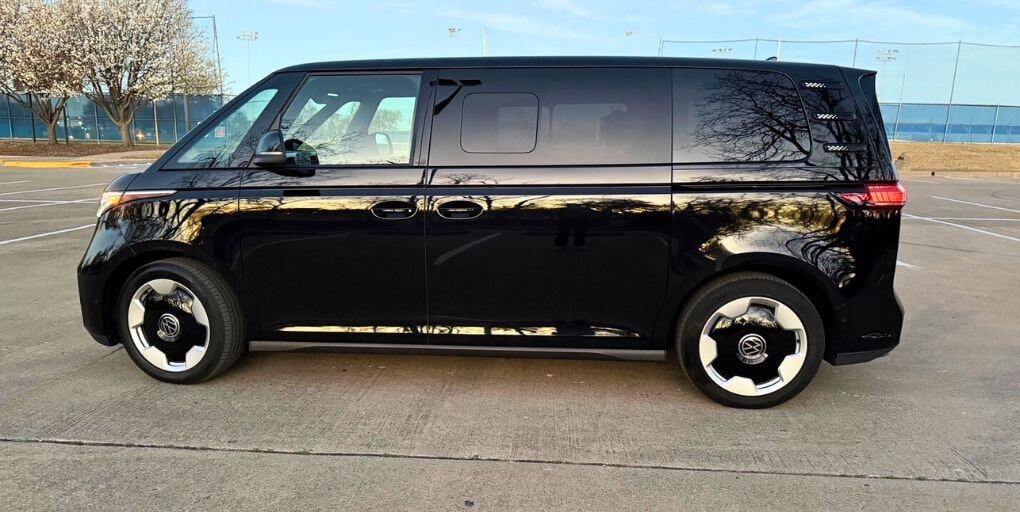

Volkswagen has put its U.S. rollout of the 2026 ID. Buzz electric minivan on hold, skipping the 2026 model year and signaling a recalibration of expectations for one of the most anticipated electric vehicles of the decade.
The retro-styled ID. Buzz, inspired by the original Volkswagen Microbus, arrived in the United States late in 2024 as a 2025 model after years of teasers and delays. It was positioned as a halo vehicle for the brand’s electric ambitions, blending nostalgic design with modern electric architecture and advanced technology. Instead, its early performance highlighted the growing challenges facing higher-priced, niche electric vehicles in a slowing EV market.
Volkswagen confirmed that the ID. Buzz will not be produced for the U.S. market for the 2026 model year, but emphasized that the vehicle has not been canceled. The automaker said it plans to return the ID. Buzz as a 2027 model, though it has not detailed what changes, if any, will be made before sales resume.
Sales momentum never matched the buzz surrounding the vehicle’s launch. Through most of 2025, U.S. deliveries remained modest, with total sales well below expectations for a vehicle that had generated strong early interest. Dealers reported slower showroom traffic than anticipated, and inventory accumulated in some regions, particularly as consumers gravitated toward more affordable electric crossovers with longer driving range.
Pricing was a significant factor. The ID. Buzz entered the U.S. market with a starting price north of $60,000, placing it well above the average transaction price for electric vehicles. Its EPA-estimated driving range, while adequate for daily use, lagged behind several competitors in the same price bracket. For many buyers, the emotional appeal of the design was not enough to overcome practical concerns about cost, range and overall value.
Broader market conditions also worked against the ID. Buzz. Federal incentives that had helped spur earlier EV adoption were no longer available for many imported electric vehicles, including the ID. Buzz. At the same time, tariffs on imported vehicles added cost pressure, limiting Volkswagen’s flexibility on pricing. These factors combined to make the business case for a low-volume, lifestyle-oriented electric van increasingly difficult.
Volkswagen also dealt with operational hurdles during the ID. Buzz’s early months on sale. A recall related to rear-seat configuration and federal safety compliance briefly interrupted sales and deliveries, further slowing momentum during a critical launch period. While the issue was addressed, it added to the challenges of establishing the model in a competitive and rapidly evolving market.
In communications with dealers, Volkswagen characterized the pause as a strategic decision rather than a retreat from the model itself. The company said the hiatus will allow it to manage existing inventory, support dealers, and reassess how the ID. Buzz fits into its broader U.S. lineup. Executives have described the vehicle as an important brand symbol, even if near-term demand has proven limited.
The decision reflects a wider industry trend. As EV sales growth moderates from its earlier rapid pace, automakers are rethinking product cadence, investment levels and model mix. Several manufacturers have delayed or scaled back electric vehicle launches, particularly in segments where pricing remains high and demand uncertain. The focus has shifted toward profitability, cost control and vehicles with broader mass-market appeal.
For Volkswagen, the ID. Buzz pause underscores the tension between brand-building products and market realities. The vehicle succeeded in drawing attention and reinforcing the company’s heritage, but translating that interest into sustained sales proved more difficult. Whether a revised 2027 version can strike a better balance between price, range and practicality remains to be seen.
For now, the ID. Buzz joins a growing list of electric vehicles caught between ambition and adoption, emblematic of an industry still searching for the right formula as it transitions toward an electric future.
If you missed my review of it, click here:
2025 VW ID. Buzz Pro S Review→
In that review, I made a note to VW that they might want to look at again:
If you want a runaway hit vehicle that you probably can’t even keep up with demand on, take this wonderful product and put a gasoline engine in it. Better yet, make it a hybrid! I’m telling you, instant home run! I’d even buy one myself.

.jpg?width=150&name=jerry-headshot.jpg%20(1).jpg)