-2.jpg?width=1020&name=Copy%20of%202024-chevrolet-blazer-ev-credit-chevrolet%20(5)-2.jpg)

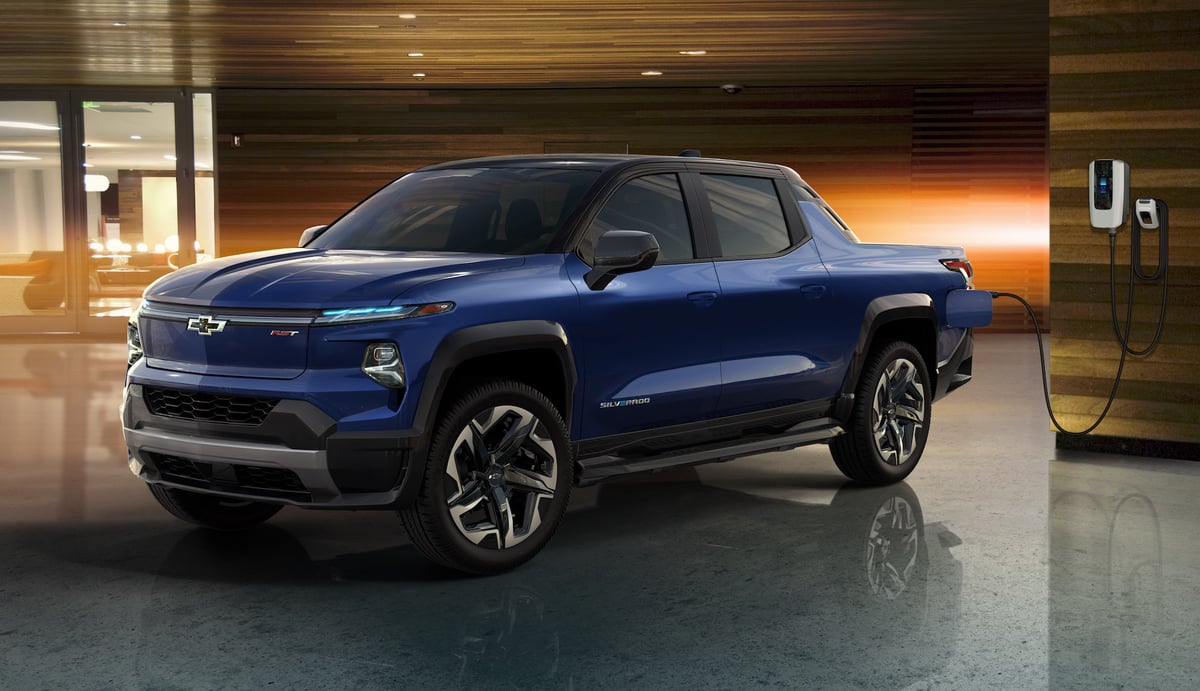
A Florida couple has filed a proposed nationwide class action lawsuit against General Motors LLC, accusing the automaker of selling home-charging hardware for its Ultium-platform electric vehicles that is defective and unreliable. The complaint, filed in U.S. District Court in Florida, claims the so-called Ultium PowerUP Level 2 home charger routinely fails to perform, disrupting daily charging routines and undermining the convenience EV buyers were promised.
According to the complaint, GM marketed the charger as part of the overall Ultium ownership experience, but the plaintiffs say it “fails to function properly,” forcing owners to rely on public chargers or repeated service calls. They claim GM knew or should have known about the defect but failed to disclose it or provide a timely repair or recall program.
GM’s warranty documents show the Ultium PowerUP Level 2 home charger carries a three-year limited parts warranty, with an optional two-year extension available. Dealers have been instructed in internal service bulletins to replace defective units and return them for analysis. Online owner forums echo the issue, with some drivers reporting charger failures within the first year and difficulty obtaining full reimbursement for removal and reinstallation costs.
At this stage, the case remains a proposed class action—it hasn’t been certified—and GM hasn’t filed a formal response. If certified, potential exposure could expand quickly, since every purchaser of the charger might become part of the class. The broader question is whether the alleged defect stems from the hardware itself, the installation process, or the software interface between the vehicle and charger. Each possibility raises a different warranty risk.
For Ultium EV owners, it’s smart to confirm the charger’s model number and warranty coverage, document any failure or service history, and keep receipts. Repeated failure to maintain rated amperage, erratic charging, or frequent resets could qualify under warranty or consumer-protection laws. For dealers, the lawsuit could signal more complicated service claims ahead, as defective home-charging units become a reputational issue as much as a repair one.
The lawsuit also highlights how the home-charging unit—once treated as a simple accessory—has become central to the EV ownership promise. With federal tax credits of up to $7,500 gone for EVs, reliability and convenience are now the main selling points for electrification. When the charger fails, the whole narrative of “easy home charging” begins to crumble.
For GM and its competitors, the takeaway is clear: the ecosystem matters. Automakers can no longer separate the car from the wall box, software, and installation experience. A glitch in any one piece can spark legal exposure, warranty costs, and brand erosion. For consumers, it’s another reminder to treat EV infrastructure as part of the purchase—not an afterthought.
The Florida case may seem small, but it touches the heart of consumer trust in EV ownership. The battery may get the headlines, but the charger hanging on the garage wall could be what decides whether people stick with electric—or quietly go back to gas.

.jpg?width=150&name=jerry-headshot.jpg%20(1).jpg)