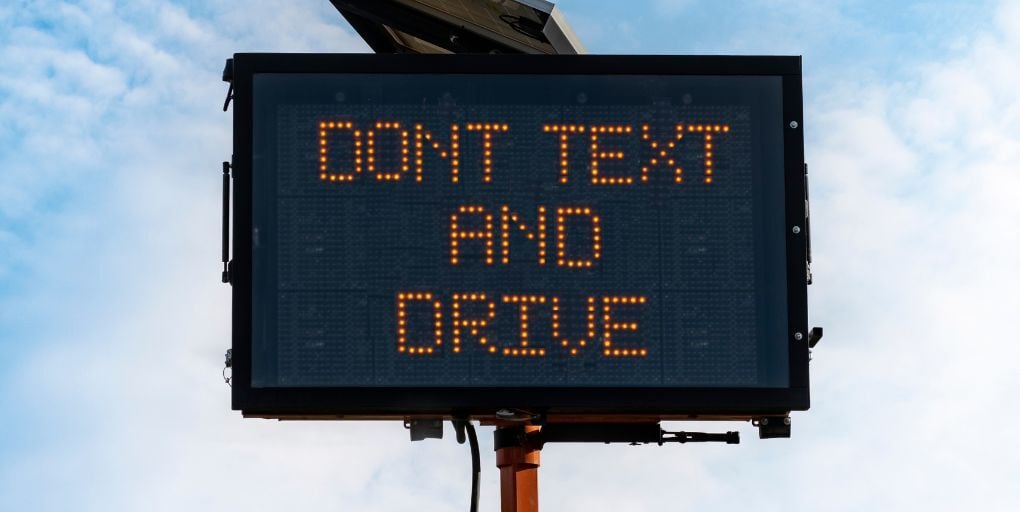

A phone notification, a conversation with a passenger or a quick reach for something in the back seat can pull a driver’s attention away from the road. A new analysis from personal injury law firm Nicolet Law puts numbers behind those everyday distractions, with handling a cellphone leading the eight behaviors examined in its review of drivers involved in fatal crashes.
Nicolet Law says its October 2026 study analyzed National Highway Traffic Safety Administration statistics covering 2020 through 2024. The firm ranked selected distractions using reported involvement in fatal crashes. Handling a phone, including texting, dialing and scrolling, ranked first, with 1,389 drivers involved in fatal crashes during the five-year period.
That finding deserves attention, but so does an important distinction in the study’s figures: The table counts drivers involved in fatal crashes, rather than individual crashes or people killed. Those measurements are not interchangeable because a single collision can involve multiple drivers and multiple deaths. The ranking also concerns selected distracted-driving behaviors; it does not establish that phone handling is more deadly than every other dangerous driving practice, such as impaired driving or speeding.
Passenger distractions placed second in Nicolet Law’s analysis, involving 661 drivers in fatal crashes. That puts a familiar part of everyday travel near the top of the firm’s list. A conversation or interaction inside the vehicle may seem harmless, but the driver still has to keep attention on traffic. Passengers can help by recognizing when a driver needs to concentrate and saving anything that requires a prolonged response for later.
Here is how the most dangerous driving habits contribute to fatal car accidents across America:
|
Driving Habit |
Total Number of Drivers Involved in Fatal Crashes (2020-2024) |
Percentage of Habit Distracted Accidents in Total |
|
Handling your phone while driving (texting, dialing, scrolling) |
1,389 |
8.89% |
|
Getting distracted by passengers |
661 |
4.23% |
|
Talking on the phone while driving |
544 |
3.48% |
|
Reaching for or using objects brought into the car |
502 |
3.21% |
|
Eating or drinking behind the wheel |
203 |
1.30% |
|
Daydreaming or zoning out while driving |
113 |
0.72% |
|
Getting distracted by something moving in the car |
75 |
0.48% |
|
Smoking while driving |
34 |
0.22% |
Talking on a phone ranked third, with 544 drivers involved in fatal crashes. Nicolet Law listed phone conversations separately from physically handling a device. That distinction matters when interpreting the results: The leading category does not represent every form of phone distraction captured by the analysis. The separate rankings also reinforce a practical point for motorists: Finishing the text is not the same thing as finishing the distraction if a phone conversation continues to compete for attention.
Reaching for or using objects brought into the vehicle ranked fourth, involving 502 drivers in fatal crashes. Eating or drinking followed, with 203. The remaining categories were daydreaming or zoning out, involving 113 drivers; distraction from something moving inside the vehicle, involving 75; and smoking, involving 34.
Those smaller totals should not be mistaken for a safety endorsement. The study reports how frequently these behaviors appeared in the fatal-crash data it examined. It does not measure how often motorists engaged in each activity or how much time they spent doing it. Consequently, the figures cannot tell readers that eating while driving is a certain number of times safer than handling a phone. Establishing that comparison would require information about exposure to each behavior.
The broader consequences of distraction extend beyond the person behind the wheel. NHTSA reports that crashes involving distracted drivers killed 3,208 people nationwide in 2024, including 639 people outside vehicles, such as pedestrians and cyclists. The agency also cautions that distraction can be difficult to identify during crash investigations, limiting what recorded statistics can capture. Those national totals provide context for Nicolet Law’s narrower ranking. crashstats.nhtsa.dot.gov
For drivers, the practical response does not require memorizing a ranking. Set the navigation before leaving, put the phone away, secure loose belongings and make stops for tasks that require attention. Let a passenger handle messages when possible, and pull over somewhere safe before dealing with something that cannot wait. Your vehicle may have enough technology to resemble a rolling computer, but the person behind the wheel still has one primary assignment: driving.
Editorial Credit: https://nicoletlaw.com
Photo Credit: Urban Images/Shutterstock.com.