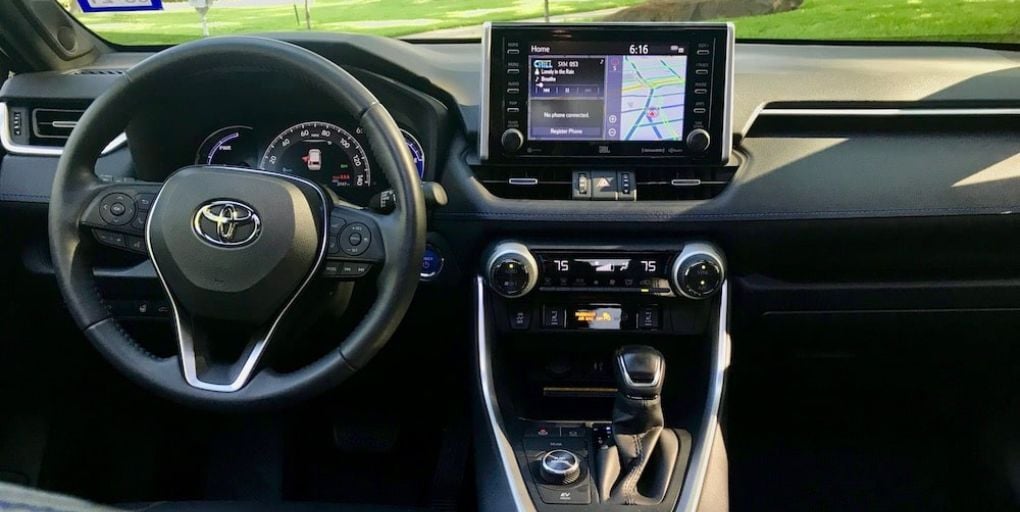

A proposed class action lawsuit alleging Toyota shared and sold driver data without proper consent has been put on hold after a federal judge ruled the dispute must be resolved through arbitration rather than in court, according to CarComplaints.com.
The lawsuit was filed by plaintiff Philip Siefke against Toyota Motor North America, Progressive Insurance and Connected Analytic Services (CAS), a company created by Toyota and Lexus to analyze driving data. The complaint alleges that Toyota collected extensive information from vehicles equipped with connected services and then shared that data with third parties, including Progressive.
According to the lawsuit, Toyota began collecting driver behavior data from certain vehicles starting with the 2018 model year. The information allegedly gathered included location, speed, direction, braking activity, cornering events and other driving metrics. The complaint also alleges that some vehicles could capture image and voice data, which was then transmitted through connected systems.
Siefke claims the collection and sharing of this information violated federal and state laws, including the Federal Wiretap Act and the Computer Fraud and Abuse Act. He contends that his personal driving data was used without proper consent and that the practice amounted to an invasion of privacy.
However, the case will not proceed in federal court at this time. A judge granted Toyota’s request to compel arbitration, finding that the plaintiff had agreed to resolve disputes outside of court when he accepted the automaker’s Connected Services Terms of Use. The ruling also applies to Progressive and Connected Analytic Services.
Toyota argued that customers must agree to the terms and conditions before activating connected services, and that those terms clearly disclose the potential collection and transmission of vehicle data. According to the company, the agreement explains that vehicles equipped with connected features may wirelessly transmit information about driving activity, location, and vehicle health to support services and internal analysis.
The court found that the agreement includes a clearly presented arbitration clause near the beginning of the document. By enrolling in connected services, the judge concluded, the plaintiff accepted those terms, including the requirement that disputes be resolved through arbitration rather than litigation.
Toyota also maintained that customers have the option to decline the agreement and avoid data transmission by not activating connected services. The terms indicate that drivers can stop the sharing of vehicle data by disabling the feature or choosing not to enroll.
The judge noted that the disclosures reference the Connected Services Terms of Use and Privacy Notice and provide links to the full documents, informing customers how data may be collected and used. Because the plaintiff agreed to those terms, the court determined that arbitration is the appropriate venue for resolving his claims.
As a result of the ruling, the proposed class action has been paused while arbitration proceedings determine how the case will move forward, if at all.
The lawsuit was filed in the U.S. District Court for the Eastern District of Texas under the case name Philip Siefke v. Toyota Motor North America Inc., et al. The plaintiff is represented by the Morgan & Morgan Complex Litigation Group and Steckler Wayne & Love PLLC, according to CarComplaints.com.
The case highlights broader concerns tied to the growing use of connected technology in modern vehicles. Many newer models transmit data to support features such as remote services, maintenance alerts and diagnostics. The lawsuit centers on whether drivers were fully aware of and consented to the collection and potential sharing of that information.
For now, that question will be decided outside the public courtroom. The judge’s ruling to enforce arbitration means the claims will be handled privately, at least in the near term, rather than through a traditional class action proceeding.
Photo Credit: incrediblephoto/Shutterstock.com.