
Carvana Co. has made its second move into franchised new-vehicle sales this year, expanding its reach beyond online used-vehicle retailing with the purchase of a Dallas dealership that I owned for quite some time before I sold them all in 2006.
The Tempe, Ariz., company closed on Sept. 23 its acquisition of Park Cities Chrysler-Dodge-Jeep-Ram-Fiat in Dallas, according to the Dallas Morning News. The outlet reported the pending transaction a day earlier. The store will be renamed Carvana Chrysler-Dodge-Jeep-Ram-Fiat of Park Cities. It was named Prestige Dodge Chrysler Jeep when I owned it. Prestige was the name of all my dealerships.
The Dallas acquisition follows Carvana’s February purchase of Jerry Seiner Chrysler-Dodge-Jeep-Ram in Casa Grande, Ariz., about 45 miles south of its headquarters. That store, renamed under Carvana’s ownership, marked the company’s first entry into the franchised dealership model after years of selling used cars and trucks entirely online.
Financial terms of the Dallas deal were not disclosed.
“We are in the very early days of testing as a franchise dealer — first at a CDJR dealership outside of Phoenix and now at one in Dallas — and we look forward to continuing to learn as we focus on delivering exceptional customer experiences,” a Carvana spokesperson said in a statement to Automotive News.
Park Cities was sold by Wood Motor Co. Owner Chip Johnson who told Automotive News it was the right time to sell and that Carvana’s offer was attractive. He said the Park Cities location was the only store involved in the transaction and added that Carvana’s model “serves the best interest of the store in the long term.”
Carvana’s decision to expand into franchised sales comes as the company continues to diversify its operations following a turbulent period in which it reported heavy losses and faced mounting debt. Analysts have said the move into new-vehicle sales gives the company new revenue streams, greater access to trade-ins and potential synergies with its used-vehicle business.
The Dallas market also provides strategic advantages. Texas is one of the largest automotive retail markets in the United States, with strong demand across brands and high volumes of both new and used vehicle sales. Operating in a market of that scale could generate a steady pipeline of inventory for Carvana’s online platform while also serving local consumers through a physical showroom.
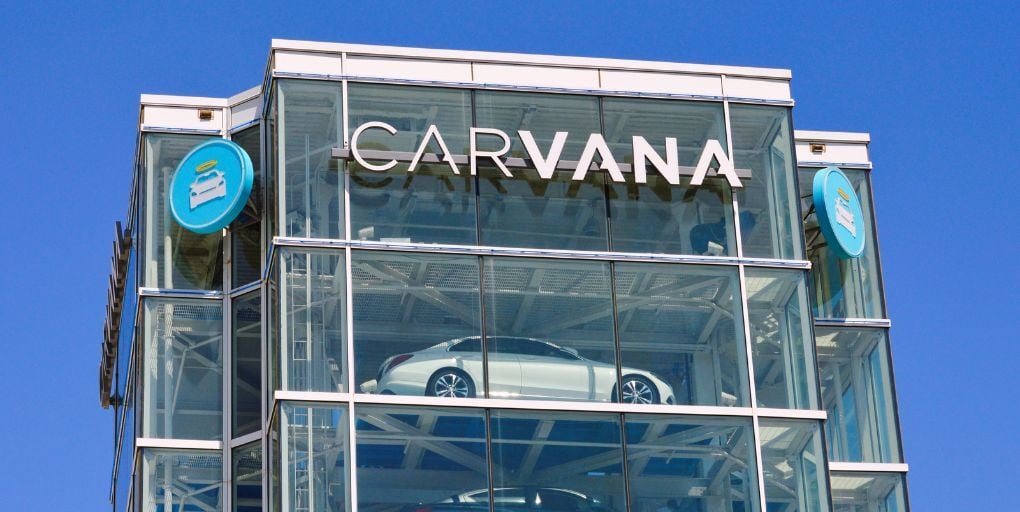
Carvana should note that franchised dealerships come with their own challenges. Unlike Carvana’s original e-commerce model, running a new-vehicle store requires navigating franchise laws, managing facilities, service and parts departments, customer satisfaction, and working within the constraints of automaker requirements. That represents a significant departure from the company’s previous reliance on digital sales and vending-machine style delivery hubs.
Carvana has been laying the groundwork for a broader physical presence for several years. In 2022, it acquired ADESA’s U.S. auction business for $2.2 billion, giving it nearly 60 sites and deeper access to wholesale vehicle flows. The move into franchise dealerships is viewed as another test of how the company can integrate brick-and-mortar operations into its primarily online business model.
The timing of the Dallas deal also reflects a changing retail landscape. Automakers are increasingly experimenting with direct-to-consumer sales, while dealers are adopting digital tools to reach buyers who prefer shopping online. Carvana’s hybrid approach — combining its established digital platform with ownership of traditional stores — could position it to compete on both fronts.
For now, the company appears to be moving cautiously. With only two franchised dealerships in its portfolio, Carvana has described its effort as an experiment designed to provide insights into customer preferences and operational strategies. The outcomes of the Arizona and Texas ventures will likely determine whether the company pursues additional acquisitions.
Carvana’s presence in Dallas adds to a crowded and competitive retail environment but also underscores the company’s willingness to rethink its model after more than a decade of selling exclusively online. Whether the gamble pays off will depend on how effectively it can blend its technology-driven sales process with the hands-on service and compliance demands of a franchised dealership.
As the automotive industry continues to evolve, Carvana’s move into Texas highlights the blurring lines between digital platforms and traditional dealerships. For consumers in my home town, it means a familiar local store will operate under a new name and approach. For Carvana, it represents the next step in a broader effort to transform from an online used-car seller into a full-scale automotive retailer. We’ll see how it goes.
.jpg?width=150&name=jerry-headshot.jpg%20(1).jpg)