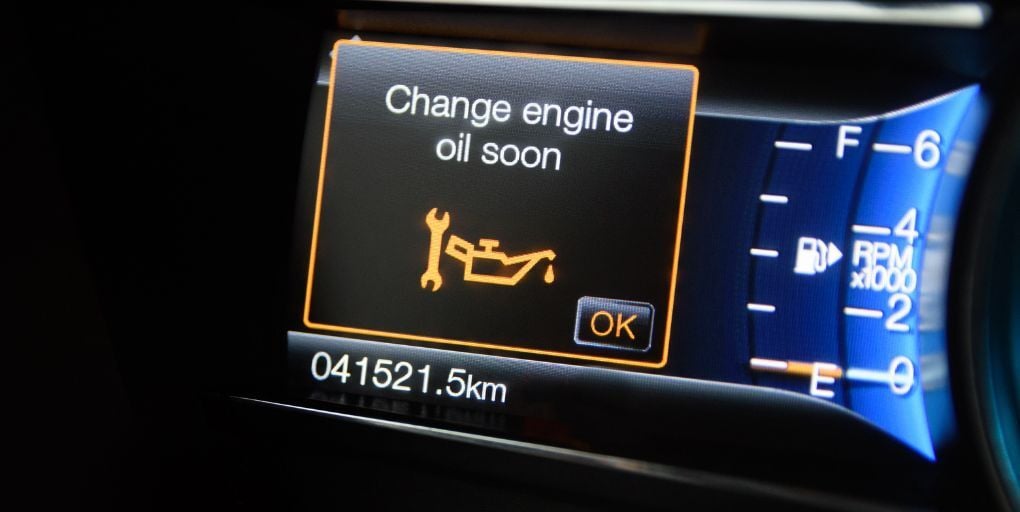

In today’s high-tech cars, the “Change Engine Oil” message is no longer just a calendar reminder slapped on a windshield at 5,000 miles. Many vehicles now use an oil-life monitoring system that tells you when to change the oil. But before you lean back and let the car decide everything, think of it as helpful—not infallible.
How it works
Instead of just counting miles, most systems use an algorithm that tracks things like engine temperature, idle time, number of starts, driving style, and outside conditions to estimate when the oil is nearing the end of its useful life. In other words, the system doesn’t actually “taste” the oil—it just estimates how hard the engine has worked and how much punishment the oil has taken. For instance, Chevrolet’s Oil Life Monitor counts down from 100%, and when it hits about 15%, you’ll see the “Change Engine Oil Soon” message appear.
So yes, you can trust it—but with caveats. By accounting for real-world conditions such as stop-and-go traffic, cold starts, and heavy loads, these monitors are often smarter than a fixed mileage rule. If you do mostly highway miles in mild weather, the system may let you go longer between oil changes. But if you live in Dallas traffic (and yes, I speak from experience), make short hops, and idle in the summer heat, or drive like I do, you’re hard on your oil—and the monitor knows it.
Here’s what the system doesn’t do, and why you shouldn’t blindly obey it. It usually doesn’t measure oil quality or level. That means it won’t warn you if you’re low on oil or if the oil is contaminated sooner than expected. And its accuracy depends on a few things—using the correct oil and filter, having the system reset after each service, and following your manufacturer’s maintenance schedule. If your service shop forgets to reset it, you’ll get a “change oil” warning far too soon. If you use cheap oil or skip filters, it might give you a green light when your engine really needs help.
Bottom line: Treat the monitor as a useful tool, not a flawless oracle.
After each oil change, make sure the system was reset. Check your oil level between services, because consumption or leaks can happen faster than the monitor expects. If you drive in harsh conditions—extreme heat, cold, short trips, or heavy towing—play it safe and shorten your intervals. Always use the oil and filter grade recommended in your owner’s manual, because that’s what the system assumes you’re using.
Synthetic oils can help extend service life, but don’t assume that automatically means you can ignore your monitor for twice as long. It’s still your job to listen to your car, not just your dashboard.
So yes, you can lean on your oil-life monitor. It’s a lot smarter than the old “every 3,000 miles” rule from the 1990s. But you shouldn’t hand over all the responsibility. The monitor is your assistant—not your boss. And when that percentage finally hits zero, take the hint and get it changed.
Because while your monitor might know how long oil can last, it doesn’t know what it feels like sitting in traffic with the A/C on full blast and the Texas sun beating down through the windshield. You do.
Photo Copyright: berdimm/Shutterstock.com.

.jpg?width=150&name=jerry-headshot.jpg%20(1).jpg)