
UPDATED 2/3/26 to reflect VW's newly announced participation.
Automakers will have one of their smallest footprints in decades during Super Bowl LX on Feb. 8, underscoring a continued shift away from the game once considered the industry’s premier advertising stage.
As of early February, Toyota and Volkswagen are the only traditional automakers confirmed to be airing a national commercial during the broadcast, joining a limited group of automotive and auto-adjacent brands that includes Cadillac’s Formula 1 program and longtime Super Bowl advertiser WeatherTech. The absence of most legacy manufacturers reflects changing marketing strategies, rising costs and a growing preference for targeted, year-round campaigns over one-night spectacles.
Toyota confirmed it will run a Super Bowl spot titled “Superhero Belt,” an emotionally driven commercial centered on family, generational connection and everyday moments rather than a specific vehicle launch. The ad continues Toyota’s long-running emphasis on reliability, trust and personal storytelling, a contrast to the performance-oriented or humor-driven commercials often associated with the Big Game. You can see the ad here:
Volkswagen has also confirmed a return to the Super Bowl advertising lineup in 2026, marking its first Big Game appearance in several years. The automaker will air a 30-second national commercial during Super Bowl LX that revives its iconic “Drivers Wanted” campaign, originally launched in the 1990s. The updated spot leans heavily on nostalgia while reintroducing the brand’s emphasis on driving enjoyment and emotional connection rather than a specific vehicle launch. Volkswagen’s decision adds another rare traditional automaker to an otherwise thin automotive advertising field for this year’s game.
Toyota and Volkswagen remain exceptions in an otherwise sparse field. Ford Motor Co., General Motors and Stellantis have all opted out of Super Bowl advertising this year, leaving much of the industry on the sidelines. Stellantis, whose brands include Jeep, Ram, Dodge and Chrysler, previously confirmed it would not run a Super Bowl ad, choosing instead to focus marketing resources on longer-term branding initiatives tied to upcoming national milestones. Ford has also elected to sit out the broadcast, continuing a recent pattern of selective participation rather than routine Super Bowl buys.
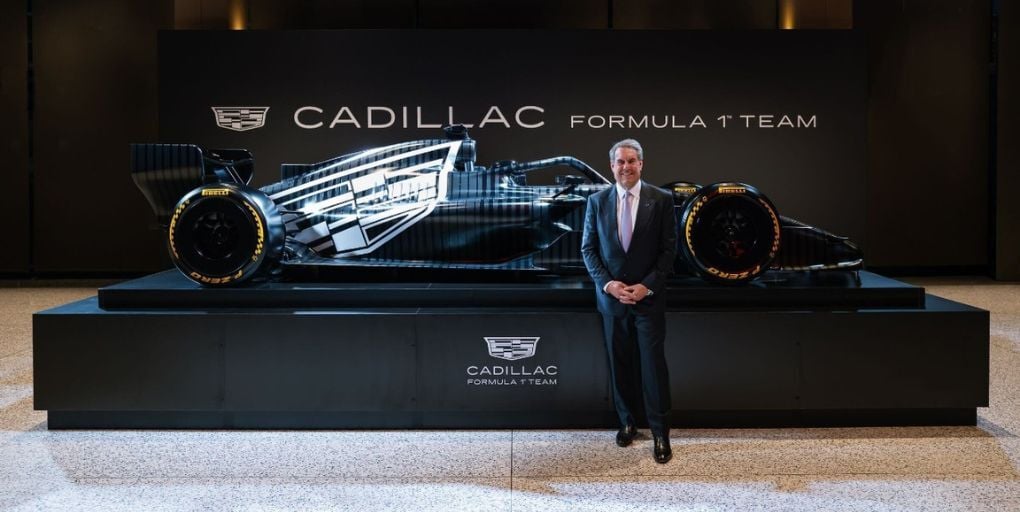
One of the most prominent automotive presences during Super Bowl LX will come not from a showroom vehicle, but from motorsports. Cadillac’s Formula 1 team, backed by General Motors, is scheduled to air a national commercial unveiling the team’s official livery and branding. The ad is intended to introduce the Cadillac F1 identity to a broad U.S. audience ahead of the team’s planned entry into Formula 1 competition.
Unlike traditional Super Bowl auto ads, the Cadillac F1 spot is positioned as a brand-building and awareness campaign rather than a direct product pitch. It highlights how automakers are increasingly reserving Super Bowl spending for highly specific objectives instead of mass-market vehicle promotion.
Automotive accessory and supplier brands continue to see value in the Super Bowl’s massive reach. WeatherTech, the Illinois-based maker of automotive floor liners and accessories, is returning to the game once again, extending a long run of Super Bowl appearances. The company has used the event for years to reinforce brand recognition and its emphasis on U.S. manufacturing.
Bosch, a global automotive technology supplier, is also among the confirmed advertisers, though its commercial is expected to focus on corporate branding rather than consumer vehicle applications. These campaigns illustrate how automotive-related companies beyond vehicle manufacturers can still leverage the Super Bowl effectively without the complexity of selling a high-priced durable good.
The lighter automotive presence marks a sharp contrast with earlier Super Bowls, when car companies routinely dominated commercial breaks. In past decades, it was common to see multiple new-vehicle debuts, dramatic storytelling and celebrity-driven automotive ads packed into a single broadcast. For years, the Super Bowl served as a de facto auto show for millions of viewers.
That era has steadily faded. A 30-second Super Bowl spot in 2026 is estimated to cost around $8 million, not including production expenses that can rival or exceed the media buy itself. For automakers facing tighter margins, volatile demand and rapid changes in technology, the return on that investment is increasingly scrutinized.
Industry analysts note that automakers are shifting marketing dollars toward digital platforms, social media, experiential events and data-driven campaigns that allow for more precise audience targeting and performance measurement. Streaming, connected TV and influencer partnerships offer year-round engagement at a fraction of the cost of a single Super Bowl appearance.
Despite the pullback from automakers, Super Bowl LX remains a highly coveted advertising platform. NBC sold out its commercial inventory months in advance, and the game is expected to draw well over 100 million viewers across broadcast and streaming platforms.
For the auto industry, however, Super Bowl LX reinforces a broader recalibration rather than a retreat from marketing altogether. The focus has moved toward sustained engagement, brand authenticity and measurable outcomes, even if that means giving up one of the most visible stages in American advertising.
As kickoff approaches, additional teaser content may surface, but the central narrative is already set: in 2026, the Super Bowl is no longer an automotive showcase. Instead, it reflects an industry that is increasingly selective about when — and why — it chooses to step onto advertising’s biggest stage.

.jpg?width=150&name=jerry-headshot.jpg%20(1).jpg)