
The latest American Customer Satisfaction Index Automobile Study measures how satisfied owners are with their vehicles, including their perceptions of quality, value, dependability, comfort, performance, technology, fuel economy and the overall ownership experience. The 2026 results contain a development that would have been difficult to imagine a few years ago: Luxury brands, as a group, no longer deliver higher customer satisfaction than mainstream brands.
The ACSI surveyed 6,699 randomly selected consumers by email between July 2025 and June 2026. Scores are reported on a scale of zero to 100. An ACSI score of 83 does not mean 83% of owners are satisfied; it is a customer-satisfaction index calculated from survey responses.
Overall satisfaction with the automobile industry fell 1% from a score of 79 in 2025 to 78 in 2026. The mass-market category also declined 1% to 78, while luxury brands dropped 3% to the same score.
For the first time in recent ACSI measurement history, buying a luxury badge produced no overall satisfaction advantage over purchasing a mainstream vehicle. Apparently, the leather may be softer, but the monthly payment still hurts.
ACSI says affordability is an important part of the story. Average new-vehicle payments reached $767 per month during the fourth quarter of 2025, while average transaction prices climbed above $50,000. When buyers are committing to six- and seven-year loans, expectations naturally rise. Customers become less forgiving of reliability problems, frustrating technology, poor dealership service and disappointing resale values.
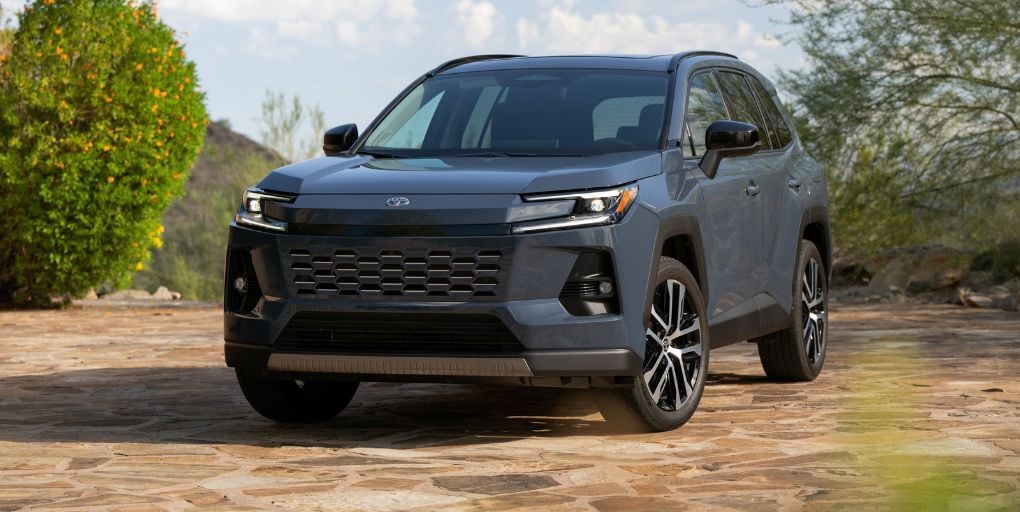
Toyota earned the highest score in the entire study, improving 1% to 83 and moving into first place among mass-market manufacturers. Subaru, last year’s mass-market winner, fell 5% to 81 but remained in second place. Honda was third at 80, followed by Hyundai and Kia, tied at 79.
Ford and Mazda tied the mass-market average at 78. Nissan followed at 77, while GMC, Jeep and Volkswagen each scored 76.
The largest gains belonged to brands that were starting near the bottom. Ram improved 7% to 74, the biggest increase of any measured brand. Kia and Jeep each rose 3%. Whether those gains are the beginning of sustained improvement will become clearer in future studies, but movement in the right direction certainly beats digging the hole deeper.
General Motors had the roughest report card. GMC dropped 6% to 76, Chevrolet declined 5% to 75 and Buick suffered the largest decrease in the entire study, falling 16% from 81 to 68. That is a 13-point decline in its ACSI score; the reported 16% figure represents the percentage change.
Buick finished next to last among mass-market brands, ahead of only Chrysler at 67. Dodge scored 72, while Ram’s improvement moved it to 74.
Mercedes-Benz led the luxury category with a score of 81 despite slipping 1% from last year. Audi recorded the segment’s strongest gain, climbing 4% to 80. Lexus and Tesla tied at the luxury average of 78, but both lost considerable ground. Lexus plunged 10% after leading the entire industry with a score of 87 last year, while Tesla fell 4% and continued a two-year decline.
BMW and Lincoln tied at 76, followed by Acura at 75 and Infiniti at 73. Cadillac finished last among luxury brands after dropping 15% from 81 to 69. Like Buick’s result, Cadillac’s reported percentage decline is larger than the actual 12-point difference between its two scores.
Luxury buyers also reported more trouble after the sale. According to ACSI, the luxury-vehicle complaint rate increased 14% to 32%, while satisfaction with complaint handling fell 4% to 73. The three leading complaint areas were dealership or customer service, electrical, battery or software problems, and engine or powertrain issues.
Every measured part of the luxury ownership experience either declined or remained unchanged. Comfort, driving performance, mobile-app quality, exterior styling, safety and gas mileage all received lower scores. Dependability, interior satisfaction and technology held steady.
Mass-market vehicles performed somewhat better in the individual categories. Comfort rose to 83, interior satisfaction improved to 82 and technology climbed to 80. However, driving performance, dependability, fuel economy, website satisfaction and mobile-app quality declined.
The study also strengthens the case that hybrids have become the current sweet spot for many buyers. Overall hybrid satisfaction held steady at 80, compared with 78 for gasoline vehicles and 72 for EVs.
Among mass-market vehicles, hybrids scored 80, gasoline models 78 and EVs 69. Luxury hybrids led their segment at 80, followed by gasoline vehicles at 78 and EVs at 76.
The difference was especially apparent when owners were asked about driving range and future resale value. Mass-market hybrid owners gave driving range a score of 76, compared with 74 for gasoline vehicles and just 64 for EVs. Expected resale value scored 75 for hybrids, 71 for gasoline vehicles and 63 for EVs.
ACSI Research Director Emeritus Forrest Morgeson said hybrids deliver fuel savings without the range concerns or charging-infrastructure demands associated with EVs, while remaining closer to conventional vehicles in price.
The larger message from the study is that consumers are placing more importance on value and the complete ownership experience. A prestigious emblem may help sell a vehicle, but it will not make an unreliable app work, shorten a service-department wait or make a seven-year loan feel shorter.
Toyota’s victory demonstrates that customers still respond to a combination of reliability, practical choices and perceived value. The collapse of the traditional satisfaction gap between luxury and mass-market vehicles sends an equally clear message: If automakers want customers to pay premium prices, they had better deliver a genuinely premium experience long after the customer leaves the showroom.
2026 Mass-Market Brand Rankings
|
Rank |
Brand |
2025 score |
2026 score |
Change |
|
1 |
Toyota |
82 |
83 |
+1% |
|
2 |
Subaru |
85 |
81 |
-5% |
|
3 |
Honda |
81 |
80 |
-1% |
|
4 tie |
Hyundai |
80 |
79 |
-1% |
|
4 tie |
Kia |
77 |
79 |
+3% |
|
6 tie |
Ford |
78 |
78 |
0% |
|
6 tie |
Mazda |
82 |
78 |
-5% |
|
8 |
Nissan |
78 |
77 |
-1% |
|
9 tie |
GMC |
81 |
76 |
-6% |
|
9 tie |
Jeep |
74 |
76 |
+3% |
|
9 tie |
Volkswagen |
78 |
76 |
-3% |
|
12 |
Chevrolet |
79 |
75 |
-5% |
|
13 |
Ram |
69 |
74 |
+7% |
|
14 |
Dodge |
72 |
72 |
0% |
|
15 |
Buick |
81 |
68 |
-16% |
|
16 |
Chrysler |
69 |
67 |
-3% |
2026 Luxury Brand Rankings
|
Rank |
Brand |
2025 score |
2026 score |
Change |
|
1 |
Mercedes-Benz |
82 |
81 |
-1% |
|
2 |
Audi |
77 |
80 |
+4% |
|
3 tie |
Lexus |
87 |
78 |
-10% |
|
3 tie |
Tesla |
81 |
78 |
-4% |
|
5 tie |
BMW |
75 |
76 |
+1% |
|
5 tie |
Lincoln |
N/A |
76 |
N/A |
|
7 |
Acura |
78 |
75 |
-4% |
|
8 |
Infiniti |
N/A |
73 |
N/A |
|
9 |
Cadillac |
81 |
69 |
-15% |
Satisfaction by Vehicle Type
|
Category |
2025 |
2026 |
Direction |
|
All hybrids |
80 |
80 |
Unchanged |
|
All gasoline vehicles |
80 |
78 |
Down |
|
All EVs |
73 |
72 |
Down |
|
Mass-market hybrids |
80 |
80 |
Unchanged |
|
Mass-market gasoline vehicles |
80 |
78 |
Down |
|
Mass-market EVs |
68 |
69 |
Up |
|
Luxury hybrids |
83 |
80 |
Down |
|
Luxury gasoline vehicles |
80 |
78 |
Down |
|
Luxury EVs |
78 |
76 |
Down |
Overall Industry Scorecard
|
Category |
2025 |
2026 |
Change |
|
Automobile industry |
79 |
78 |
-1% |
|
Mass-market brands |
79 |
78 |
-1% |
|
Luxury brands |
80 |
78 |
-3% |
|
Smaller nameplates combined |
74 |
77 |
+4% |
Source: American Customer Satisfaction Index Automobile Study 2026. Results are based on 6,699 completed surveys collected from July 2025 through June 2026.
.jpg?width=150&name=jerry-headshot.jpg%20(1).jpg)