
.jpg?width=750&height=503&name=chat-gpt-graphic-inventory-2-jerry%20(1).jpg)
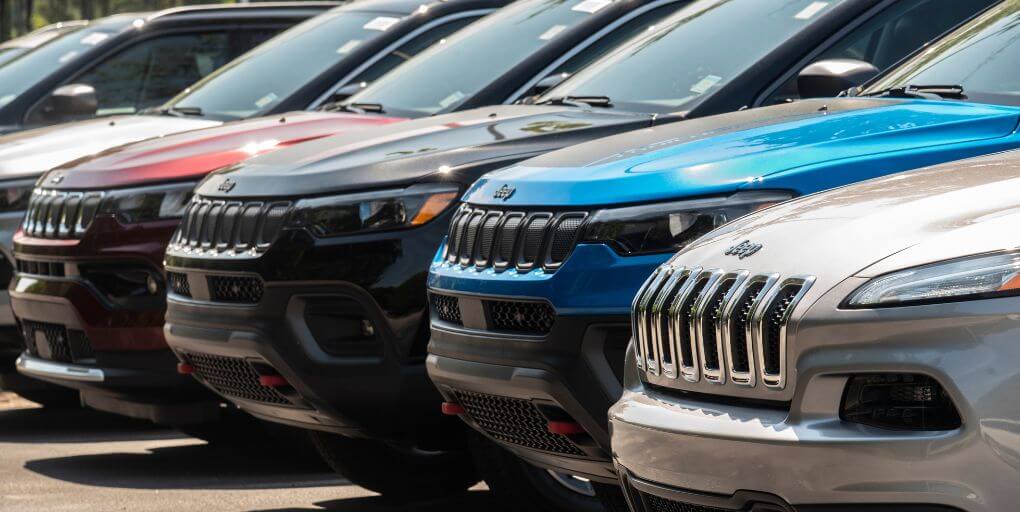
If you’ve ever driven past a dealership and noticed certain vehicles that seem to sit in the exact same spot week after week, you’re not imagining things. Some cars just don’t move.
And if you’re a smart shopper, that’s exactly where you should be looking.
In the car business, we had a term for these vehicles: “aged units” or “old stockers.” That simply means a car—new or used—has been on the lot longer than it should. Most dealers track inventory very closely, and once a vehicle hits 60 days, it starts getting attention. At 90 days, it becomes a problem.
Why? Because time is money on a dealership lot.
Every vehicle sitting there is costing the dealer interest on what’s called “floorplan financing.” In simple terms, dealers borrow money to keep inventory on the lot. The longer a car sits, the more it costs them. Add in insurance, depreciation, and the fact that newer inventory is arriving, and suddenly that slow-selling car becomes something the dealer is highly motivated to move. Most dealers are paying 1% to 1.5% over the prime rate and that hasn’t been low in a while.
That’s where opportunity comes in for you.
So why do some cars sit?
Sometimes it’s the vehicle itself. It might be a model that’s not particularly popular, or one that’s been overshadowed by a redesign. For example, if a new body style just came out, leftover models from the previous year can linger.
Other times, it’s the configuration. I can’t tell you how many times I’ve seen a perfectly good vehicle sit simply because it’s an odd color or has an unusual combination of options. That bright orange SUV or a luxury sedan with a very specific interior? Great vehicles—but they don’t appeal to the masses.
Pricing can also be a factor. Sometimes a dealer simply has too much money in a trade-in and prices it too high initially. The market eventually corrects that, but it takes time.
And then there’s timing. Convertibles don’t fly off the lot in January, and four-wheel-drive trucks don’t get as much attention in the middle of summer—although in Texas, trucks are always in demand to some degree.
Here’s the key: once a vehicle becomes aged, the dealer’s mindset changes.
At that point, it’s no longer about making a strong profit—it’s about getting out from under it and stopping the floorplan charges.
That’s when the best deals happen.
If you’re shopping for a vehicle, especially a new one, ask the salesperson a simple question: “How long has this one been here?” You might be surprised at how honest the answer is. Dealers know which units are aging, and many are relieved when a customer shows interest in one. I used to have colored dots we put on the windshield to alert the salesperson that this was an aged vehicle.
You can also spot these vehicles yourself. Look for cars that are parked in less prominent spots on the lot, or ones that show up repeatedly in online inventory searches. If you’ve been browsing for a couple of weeks and the same VIN keeps popping up, that’s a clue.
Now, a word of caution.
Just because a vehicle has been sitting doesn’t automatically make it a great deal. You still need to do your homework. Make sure it fits your needs, check pricing against the market, and don’t fall into the trap of buying something you don’t really want just because it’s discounted.
But if you’re flexible—especially on color or minor options—you can save some serious money.
I’ve seen dealers take skinny deals, even break even or a loss, just to move an aged unit and stop the financial bleeding. And remember, once that next month rolls around, that car doesn’t get any more attractive sitting there.
Here’s something else most consumers don’t realize-manufacturers often step in to help move aging inventory. They’ll quietly add dealer incentives or bonuses on specific units that have been sitting too long. That gives the dealer even more room to negotiate.
So, when you combine dealer motivation with possible factory support, you’ve got a perfect storm for a bargain.
The bottom line?
The car everyone else wants is rarely the best deal.
But the one that’s been quietly waiting in the corner of the lot for the past 90 days? That might just be the smartest purchase you’ll ever make.
Sometimes, the best car for you…is the one nobody else picked.
.jpg?width=150&name=jerry-headshot.jpg%20(1).jpg)