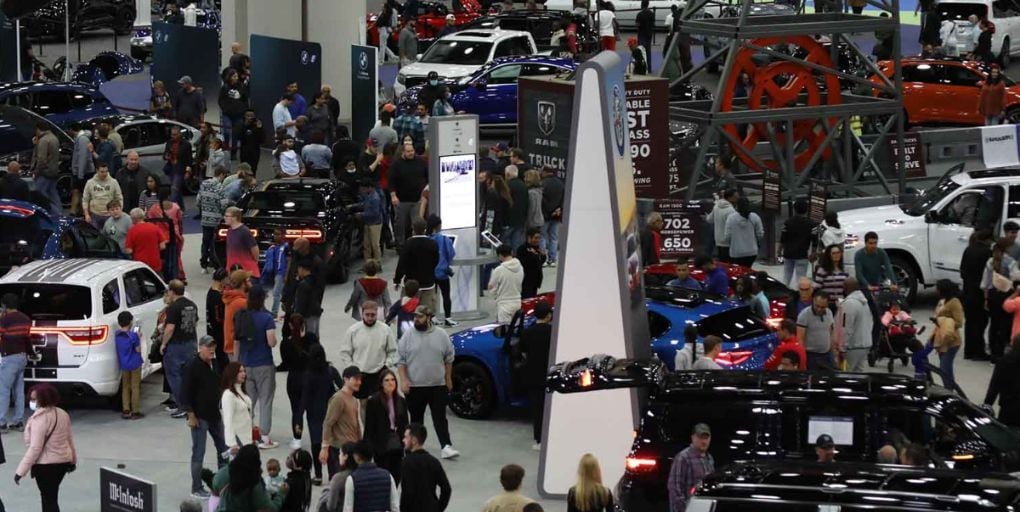

The 2026 Detroit Auto Show is in its final days at Huntington Place, wrapping up a two-week run that blended vehicles, hands-on experiences, industry discussion and community engagement in downtown Detroit.
The show, which kicked off Jan. 14 and concludes Sunday, Jan. 25, marked another step in the event’s evolution away from a traditional auto show format and toward a broader, consumer-focused mobility experience. Organizers said the goal was to connect automakers, technology and the public in a more interactive way while still honoring Detroit’s automotive roots.
More than 40 automotive brands participated this year, representing domestic and international manufacturers across mainstream, luxury and specialty segments. Vehicles on display ranged from gasoline-powered models to hybrids, electric vehicles and off-road-focused trucks and SUVs.
“This year’s show was designed to bring people closer to the vehicles and the ideas shaping the future of mobility,” Detroit Auto Show Chairman Todd Szott said in a statement. “It’s about hands-on experiences, meaningful conversations and making the show relevant for families, enthusiasts and the industry alike.”
The event began with The Gallery, a luxury vehicle fundraiser held Jan. 13, benefiting Forgotten Harvest, a Metro Detroit nonprofit that addresses food insecurity. The charity preview showcased a collection of high-end and performance vehicles curated by dealers and private collectors.
Media and Industry Days followed on Jan. 14 and 15, highlighted by the Mobility Global Forum. The forum featured more than 60 speakers across panels and discussions addressing topics such as electrification, emerging technology, integration challenges and the broader future of transportation. Major industry honors, including the North American Car, Truck and Utility Vehicle of the Year awards and the EyesOn Design Awards, were also presented during that period.
The public portion of the show, which opened Jan. 17, emphasized interactive elements aimed at engaging attendees beyond static displays. Indoor ride-along tracks allowed visitors to experience a variety of vehicles and powertrains, including electric and hybrid models. Returning attractions such as Camp Jeep and the Ford Bronco Built Wild Experience featured simulated terrain courses that highlighted off-road capability.
One of the notable additions for 2026 was the Michigan Overland Adventure, an immersive exhibit focused on overlanding and outdoor recreation. The display featured rugged trucks and SUVs from several manufacturers, paired with lifestyle elements centered on travel, exploration and vehicle-based adventure.
The show also introduced the Visit Detroit Interactive Experience in the Huntington Place atrium. The space offered hands-on STEM activities, racing simulators and kid-focused programming intended to introduce younger visitors to automotive design, engineering and mobility-related careers.
Community outreach remained a central theme. Through the Driven by Service initiative, held in partnership with the Detroit Public Schools Community District, attendees were encouraged to donate winter clothing and essentials for students in need. Donation stations were available throughout the show’s run.
Additional events included live music performances on the show floor and the Detroit Auto Show 5K, held Jan. 17. Proceeds from the run benefit the Outdoor Adventure Center through a partnership with the Michigan Department of Natural Resources.
Art and education were also featured through the show’s high school poster contest, which drew more than 200 student submissions from across Michigan. Winning designs were displayed during the event.
As the 2026 Detroit Auto Show heads into its final weekend, organizers said the combination of vehicles, interactive exhibits, industry dialogue and community programming reflects a continued effort to redefine what an auto show can be in a changing automotive landscape.
The show concludes Sunday at Huntington Place.
Photos: Detroit Auto Show.