The auto industry is navigating another round of tariff turbulence as the White House, global partners, and major automakers reshuffle policies, production, and investments to stay ahead of mounting trade barriers. Since October 9, several major developments have further tightened the link between manufacturing strategy and international trade.
The most immediate change arrives November 1, when the United States will impose a 25 percent tariff on all imported medium- and heavy-duty trucks. The move extends the trade pressure that once focused on passenger cars and auto parts into the commercial vehicle sector. Administration officials call the new tariff a matter of national security, but industry leaders say it will raise costs for manufacturers that rely on global supply chains, particularly those with production in Mexico or Canada. It also adds fresh tension to the already complex framework of the U.S.-Mexico-Canada Agreement, where content rules and country-of-origin calculations determine which vehicles qualify for lower duties.
Even as new tariffs take effect, the Commerce Department is preparing to extend relief measures for automakers that build in the United States. The existing import adjustment offset—currently 3.75 percent—lets companies reduce their effective tariff exposure on imported parts. That program was due to expire next year, but plans now call for a five-year extension and possible expansion to include U.S.-made engines and other key components. Automakers have lobbied heavily for that relief, arguing that a stable, long-term offset would help protect jobs and domestic investment while giving manufacturers room to adjust to the new tariff environment.
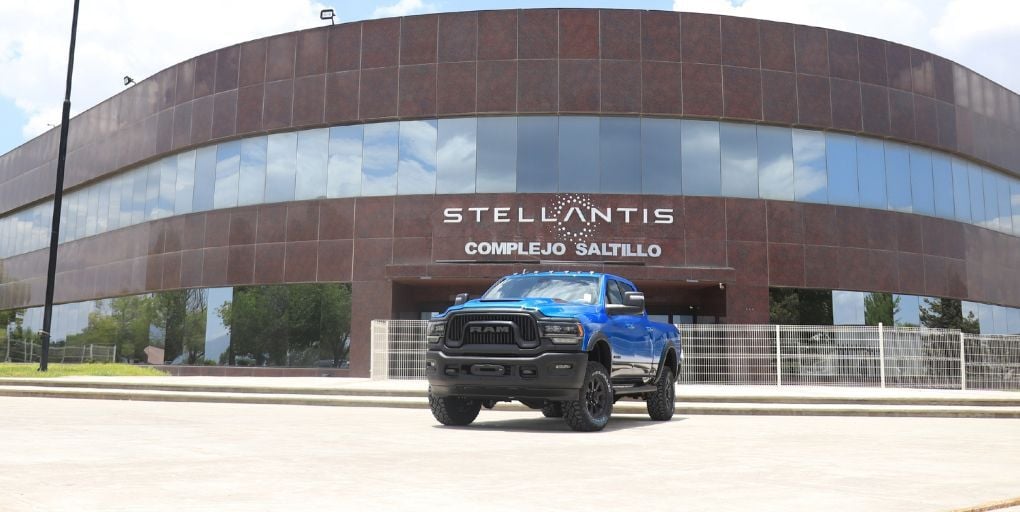
The push toward localization is already visible. Stellantis announced plans to invest $13 billion in U.S. manufacturing over the next four years, shifting production of its Jeep Compass from Ontario, Canada to Belvidere, Illinois. The move expands American capacity and reduces exposure to tariffs on vehicles and imported parts. Analysts see the decision as both a hedge against trade volatility and an effort to capture any incentives tied to U.S. production.
Meanwhile, trade partners are pushing back. The European Union has renewed pressure on Washington to roll back tariffs on products containing steel or aluminum. European officials argue that tariffs on derivative goods—items that incorporate metal but are not raw materials—distort competition and penalize downstream industries such as automotive manufacturing. Many of those goods currently face duties of up to 50 percent, a rate that European automakers say undermines supply stability and pricing consistency.
Mexico is also weighing a response. Lawmakers there are considering tariffs as high as 50 percent on vehicles and auto parts imported from non-trade partners such as China, South Korea, and India. Though still in debate, the proposal reflects rising pressure on Mexico to align more closely with U.S. policy or risk retaliation.
For automakers, the picture is mixed. Domestic producers with deep U.S. footprints could emerge as winners if tariff relief is expanded, while import-heavy brands face new challenges in keeping prices competitive. Suppliers are feeling the strain as well, with more parts and subcomponents falling under multiple tariff categories. Many are renegotiating contracts with automakers to include price-protection clauses or cost-sharing terms.
The bigger concern is uncertainty. Tariff policy is now a moving target—one that can change faster than a model-year update. A five-year relief extension would buy time, but manufacturers know that court challenges, diplomatic disputes, and shifting trade priorities can still upend long-term plans.
For now, the strategy is clear: build where you sell, and build fast. Every automaker with a U.S. presence is re-evaluating its production footprint, and global trade teams are racing to recalibrate sourcing maps before the next round of tariffs lands. The industry has weathered its share of supply chain crises and economic shocks, but this one blends politics, economics, and logistics in a way that may redefine what “Made in America” truly means.
.jpg?width=150&name=jerry-headshot.jpg%20(1).jpg)