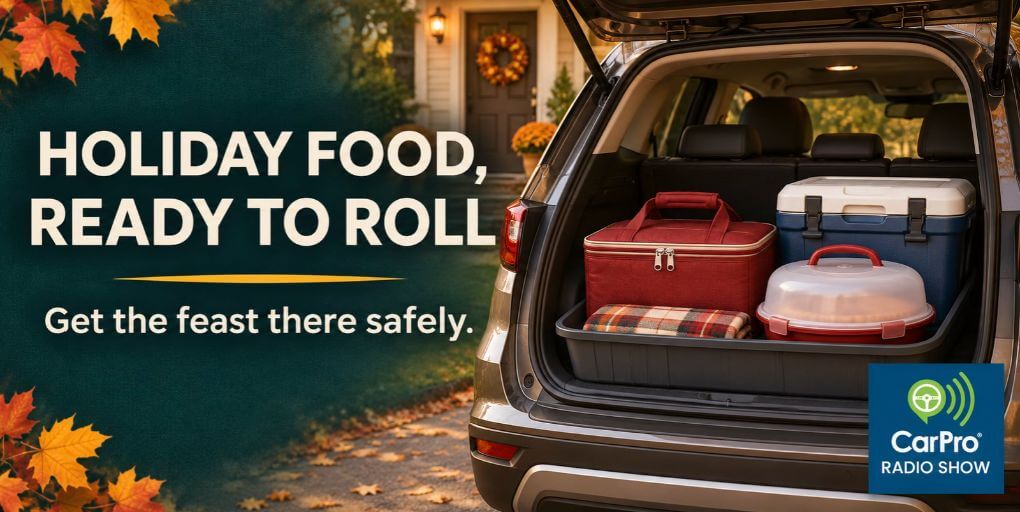

You can spend two days preparing a holiday meal and undo all that work on the drive to somebody else’s house. A hard stop gives the gravy a new address, the casserole ends up wearing the seat upholstery, and suddenly your contribution to dinner is a cleanup project. Before Kevin’s mashed potatoes or your family’s favorite dish gets a ride, give the trip a little planning of its own.

01 | Choose the travel plan before the recipe
Ask your host whether there is refrigerator space and whether the oven will be available when you arrive. For a longer trip, consider cooking ahead, chilling the dish thoroughly, transporting it cold and reheating it there. If you cannot keep a perishable dish safely hot or cold for the entire journey, volunteer to bring something that does not need refrigeration instead.
02 | Pack two climates
The USDA recommends moving cold perishables straight from the refrigerator into a cooler packed with ice or frozen gel packs. Use a separate insulated carrier for hot dishes. Towels can help insulate a covered hot container, but they cannot tell you whether dinner is still safe. Pack a food thermometer and check the food itself; an insulated bag is no guarantee of a particular holding time.
Keep the cold-food cooler closed as much as possible. If passengers will be reaching for drinks, put those in a separate cooler. Keep any raw meat or poultry securely wrapped and separate from prepared foods so leaking juices cannot contaminate dinner.
03 | Give the casserole a parking space
Use sturdy, covered containers and place them upright in a stable, level spot. A shallow bin and a nonslip liner can help contain drips and movement, but secure the load so it cannot slide or tip during a stop. Keep food clear of the pedals and the driver. Nobody should be balancing a hot casserole on a lap, and the driver should not be rescuing a pie while changing lanes.
04 | Your car is transportation, not refrigeration
The USDA recommends carrying the cold-food cooler in the air-conditioned passenger compartment. Do not count on chilly weather, a trunk or a pickup bed to hold food at refrigerator temperature. FoodSafety.gov warns that outdoor temperatures fluctuate; the thermometer gets the deciding vote. Load perishables last, head straight to your destination and bring them inside when you arrive.
05 | Arrival does not restart the clock
Time spent packing, traveling and sitting on the buffet matters whenever food is outside safe temperature control. Give your host that information rather than assuming the two-hour allowance begins at the front door. Keep cold dishes refrigerated or on ice at 40°F or below, and hot dishes at 140°F or above. Set a phone reminder so the football game does not become your food-safety timer.
Reheat properly handled cooked-and-chilled dishes to 165°F, checking several places. Bring reheated soups, sauces and gravy to a boil. The USDA advises against reheating cold leftovers in a slow cooker; use the stove, oven or microwave first, then transfer the hot food to a preheated slow cooker for holding. Reheating is not a rescue plan for food left out too long.
06 | Dessert needs a plan, too
The FDA specifically includes pumpkin pie among foods that need prompt refrigeration. Cream and custard pies also belong on your cold-food list; follow storage instructions on purchased desserts. Do not assume everything on the dessert table can sit there all afternoon. And smelling or tasting a questionable dish cannot establish that it is safe.
07 | Pack for the return trip
Bring clean, shallow containers and enough ice or frozen packs for leftovers. Refrigerate food promptly after the meal, rather than leaving it out until everybody heads home. Small portions of hot food can go directly into the refrigerator; you do not need to wait for them to cool on the counter. Carry chilled leftovers home in the cooler, refrigerate them on arrival and use refrigerated leftovers within three to four days, or freeze them.

The goal is to arrive with something people remember fondly, preferably for how it tasted. Let somebody else bring the family drama. Your assignment is to get dinner there without giving the carpet a serving.