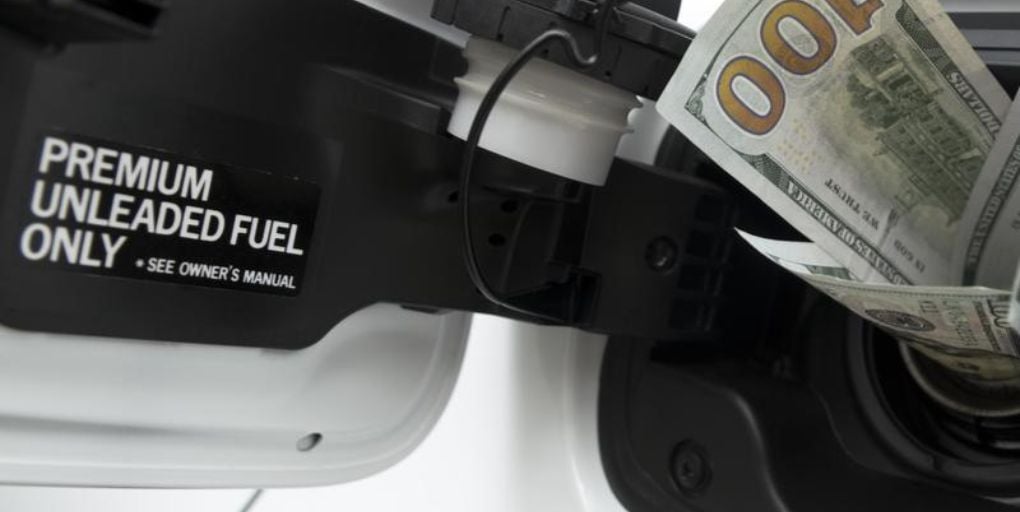

If you’ve filled up lately and winced at the price of premium, you’re not alone. With premium running 60 to 80 cents more per gallon than regular in many parts of the country, it’s natural to wonder whether that extra cost is doing anything besides lightening your wallet. The short answer is that some engines truly need premium fuel, but most don’t — and a few can go either way depending on how and where you drive.
Premium gas doesn’t contain magic horsepower or extra energy. What it has is a higher octane rating — usually 91 or 93 — that makes it more resistant to “knocking,” the pinging sound that happens when fuel ignites too early in the combustion cycle. That knock can harm an engine over time, which is why some automakers tune engines for higher-octane fuel in the first place. The higher compression ratios and turbochargers found in many modern engines can make them more prone to knock, especially under heavy loads or high temperatures.
If your vehicle’s owner’s manual or fuel-filler door says “premium fuel required,” it may well need it. These engines are calibrated to perform only with higher-octane gasoline, and running regular instead can trigger a drop in power, poorer fuel economy, and in some cases even engine damage that won’t be covered under warranty. For turbocharged, supercharged, or high-performance vehicles, premium isn’t optional. It’s part of the recipe.
In my case, I have a 603-horse Mercedes V8. I’ve tried regular fuel even though it recommends premium. I never got any pinging at all, but it caused a hesitation upon heavy acceleration, which is why I wanted this engine in the first place. Now, I only use premium, it’s worth it to me since any kind of hesitation annoys me.
Note that there’s a big difference between “required” and “recommended.” Many modern cars that suggest premium can safely run on regular unleaded, thanks to advanced knock sensors and computer controls that automatically adjust timing to prevent detonation. The trade-off is mild: you may lose a few horsepower and a mile or two per gallon, but you probably won’t notice in normal driving. If you rarely tow, climb mountains, or floor the accelerator, you can likely save money with regular fuel and not cause harm.
The best approach for “premium recommended” vehicles is to try a comparison. Fill up with premium for a few tanks and note your fuel economy and performance, then switch to regular and track the same. If you notice no difference — or if the slight loss in efficiency doesn’t outweigh the price difference — you can make an informed decision.
There are also a few caveats worth noting. Premium fuel often includes a higher concentration of detergent additives, which can help keep injectors cleaner in the long run. That difference isn’t huge, but it’s another reason some owners stick with it. And regional factors matter: in high-altitude areas, for example, the air’s lower oxygen content reduces the risk of knock, so even performance engines may get by on slightly lower octane levels.
Today’s engines are smarter than ever at managing knock, but they’re not invincible. Continuous low-octane operation in a car that truly needs premium can force the engine to retard timing so often that it runs hotter and less efficiently. Over time, that can cause premature wear or higher emissions. If you hear pinging or knocking while accelerating, it’s a clear sign your fuel isn’t up to the job.
One other point drivers often overlook: premium fuel doesn’t last longer in storage or make your car “run cleaner.” All grades sold in the U.S. must meet the same EPA and Top Tier detergent standards. The difference is purely in combustion resistance, not cleanliness or stability.
In short, if your car requires premium, use it. If it only recommends it, you can safely experiment and let the results — and your owner’s manual — guide you. The money you save might not buy a new set of tires, but it could cover your next oil change, and that’s a far better investment in your engine’s long-term health.

.jpg?width=150&name=jerry-headshot.jpg%20(1).jpg)