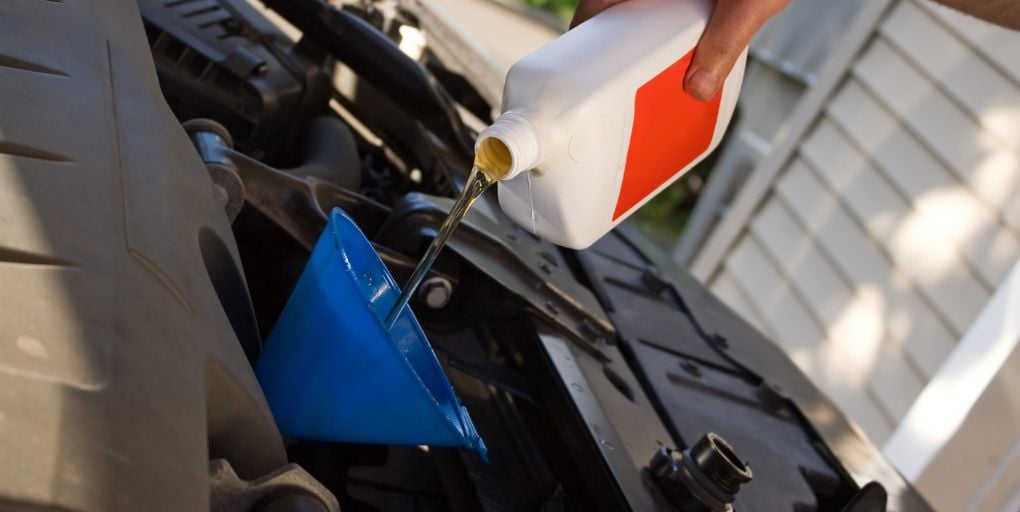

April is recognized nationally as Car Care Month, an annual reminder for motorists to take a closer look at vehicle maintenance after the wear and tear of winter driving. The observance is promoted by the Car Care Council, which encourages drivers to stay on top of routine service to improve safety, extend vehicle life and avoid costly repairs down the road.
While modern vehicles are more reliable than ever, they are also more complex, making regular maintenance more important, not less. Industry data consistently shows that a significant number of vehicles on U.S. roads are in need of basic service or have at least one issue that could lead to a breakdown if ignored.
Car Care Month is timed strategically. After months of cold temperatures, potholes, road salt and stop-and-go driving, spring is the ideal time to assess a vehicle’s condition and address any damage that may have occurred during winter.
These are things you can do yourself, no matter your skill level when it comes to cars:
-
Check all fluids, including engine oil, power steering and brake and transmission, as well as windshield washer solvent and antifreeze/coolant.
Read these tips from AAA Travel here →
Watch this video to learn how to check your fluids→
-
Check the hoses and belts that can become cracked, brittle, frayed, loose or show signs of excessive wear. These are critical to the proper functioning of the electrical system, air conditioning, power steering and the cooling system. Watch this video to learn how →
-
Check the tires, including tire pressure and tread. Uneven wear indicates a need for wheel alignment. Tires should also be checked for bulges and bald spots. Check the air in your spare tire as well! It’s a bad surprise when you need a spare to find out it has no air. One last thing-if your wheels have wheel locks, be sure you know where the key is. Watch this video to learn how to check your tire tread→
-
Check the wipers and lighting so that you can see and be seen. Check that all interior and exterior lighting is working properly and inspect and replace worn wiper blades so you can see clearly when driving during precipitation. Keep the reservoir filled with solvent.
“Be Car Care Aware"
The Car Care Council recommends a straightforward approach known as “Be Car Care Aware,” which focuses on several key areas:
Start with the battery. Cold weather is notoriously hard on batteries, and many fail as temperatures begin to rise. Drivers should check for corrosion on terminals, ensure connections are tight and consider testing the battery if it is more than three years old.
Next, examine the tires. Fluctuating temperatures can cause tire pressure to drop, while winter driving conditions can accelerate tread wear. Proper inflation improves fuel efficiency and handling, while adequate tread depth is essential for safety, especially during spring rains.
Fluids are another critical area. Engine oil, transmission fluid, brake fluid, coolant and windshield washer fluid should all be checked and topped off or replaced as needed. Neglecting fluids is one of the quickest ways to shorten the life of major components.
Brakes should also be inspected. If there is any squealing, grinding or reduced stopping performance, it’s time for a professional evaluation. Brake issues rarely improve on their own and can quickly become dangerous.
Visibility matters more than many drivers realize. Replacing worn wiper blades and ensuring all lights are functioning properly can make a significant difference in both safety and driver confidence, particularly during spring storms.
Under the hood, belts and hoses deserve attention. Cracks, fraying or leaks are signs that components may be nearing failure. A broken belt or burst hose can leave a driver stranded with little warning.
Finally, don’t overlook the air conditioning system. Warmer temperatures are just around the corner, and testing the system now can prevent uncomfortable surprises later.
For drivers who may be tempted to put off maintenance, the cost argument is worth considering. A simple oil change or tire rotation is relatively inexpensive compared to major engine or transmission repairs that can result from neglect. In other words, a little preventive care now can save a lot of money later.
There is also a resale angle. Well-maintained vehicles hold their value better and are easier to sell or trade. Service records can make a meaningful difference when it comes time to negotiate.
Car Care Month serves as a timely nudge, but the underlying message applies year-round. Vehicles are one of the largest investments most people make, and like any investment, they require attention to perform at their best.
Or to put it another way, ignoring maintenance is a little like ignoring your health. You might get away with it for a while, but eventually, it catches up with you — and usually at the worst possible time, often on the side of the road, with a tow truck on the way and your wallet about to take a hit.

Photo Credit: ARENA Creative/Shutterstock.com.
.jpg?width=150&name=jerry-headshot.jpg%20(1).jpg)