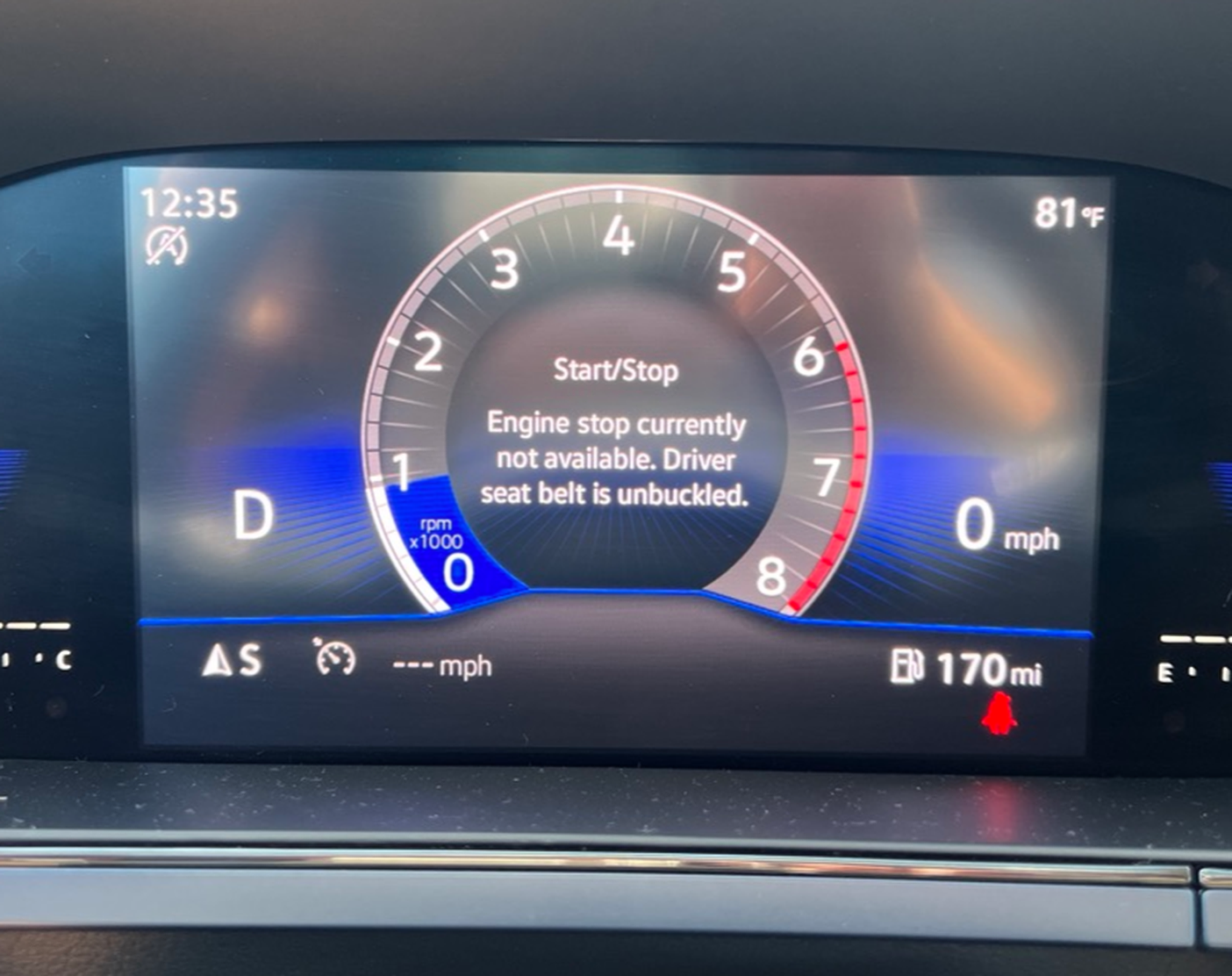
It's a feature that is annoying to a lot of drivers, but it's one that may soon be a thing of the past. Environmental Protection Agency (EPA) Administrator Lee Zeldin recently announced that he plans to take regulatory action against automatic engine start-stop systems — a common fuel-saving feature in modern vehicles that has increasingly drawn the ire of consumers. Zeldin, recently appointed by the Trump administration, signaled that the EPA will move to eliminate the regulatory incentives that have encouraged automakers to widely adopt the system over the past decade.
Automatic start-stop systems shut down a vehicle’s engine when the car comes to a complete stop — such as at a red light — and restart it when the driver releases the brake or engages the accelerator. The system is designed to reduce fuel consumption and tailpipe emissions from idling, but Zeldin argues that it has outlived its usefulness and is largely unpopular among drivers.
“Everyone hates it, so we're fixing it,” Zeldin said in a public statement on X. While the EPA does not require automakers to include the feature, it has long awarded credits toward fuel economy compliance when the technology is used. Zeldin indicated the agency will begin the process of revoking those credits, potentially reshaping how automakers approach vehicle design in the coming years.
Start-stop technology became widespread under emissions and fuel economy regulations enacted during the Obama administration. It was viewed as a relatively low-cost way for manufacturers to improve overall fleet efficiency ratings without major overhauls to engines or powertrains. By 2023, over 60% of new vehicles came equipped with the system. According to EPA estimates, start-stop can improve fuel efficiency by roughly 3% to 5% under certain conditions. However, some analysts argue that real-world benefits are often minimal, especially for drivers in rural or high-speed environments.
Critics of the system point to issues such as increased wear on starter motors, batteries, and engine components. Some drivers have also raised safety concerns about delayed restarts in heavy traffic or during quick maneuvers. While some vehicles allow drivers to disable the feature manually, the option often resets each time the vehicle is turned off, leading to further frustration. Aftermarket solutions to disable the system permanently have become increasingly popular, despite concerns about voiding warranties.
Zeldin’s action is expected to be part of a broader deregulatory agenda aimed at rolling back fuel economy and emissions standards set under previous administrations. The Trump administration has previously indicated a desire to reduce what it describes as burdensome environmental rules and allow more consumer choice in the automotive market. Zeldin has framed his approach as restoring balance between environmental protection and regulatory practicality.
Industry reaction has so far been muted, with several automakers waiting to see how the proposed rule change will be implemented and whether it will affect future model certifications. For now, the EPA has not announced a formal timeline or detailed regulatory pathway, but Zeldin has indicated that the agency will begin the necessary steps to remove start-stop incentives from its fuel economy compliance framework.
If finalized, the move could shift the direction of vehicle technology adoption in the U.S., potentially leading automakers to reevaluate the cost-benefit equation of implementing start-stop systems across their lineups. Consumer response has been generally supportive, with many expressing relief that a feature long viewed as intrusive may soon become optional — or obsolete.
Car Pro Show host Jerry Reynolds has written on this subject before, to check out his article on Start/Stop systems click here.
Photo: Automatic Stop/Start in 2026 Genesis GV70. CarPro.